
Most Reliable Cars 2026: Brands & Models That Last
Short answer: In 2026, the same names keep winning. Consumer Reports’ annual survey puts Toyota, Subaru, and Lexus at the top for brand reliability, while J.D. Power’s dependability study names Lexus, Buick, Mazda, and Toyota as its leaders. If you want the safest bet with your money, start your search with a Toyota Corolla or Camry, a Honda Civic or CR-V, or a Subaru Crosstrek — and keep reading, because which version you buy matters almost as much as the badge.
Verdict
Winner: Toyota — the safest bet in 2026. Toyota tops Consumer Reports’ 2026 brand reliability ranking (66, #1 — up from 62, #3) and makes J.D. Power’s list of most dependable brands, and the Corolla is J.D. Power’s most dependable compact car for 2026. Start your search with a Toyota Corolla or Camry, a Honda Civic or CR-V, or a Subaru Crosstrek. The reliability sweet spot is a traditional hybrid; avoid first-year redesigns.
Quick read: both studies agree on Toyota/Lexus, Mazda, Buick, BMW and Honda-family brands. J.D. Power named Lexus its #1 brand for a 4th straight year, with the Lexus IS the top model.
Scoreboard: who won each category
| Category | Winner | Evidence in this article |
|---|---|---|
| Most reliable brand (Consumer Reports) | Toyota | CR 2026 score 66, #1 (up from 62, #3) |
| Most dependable brand (J.D. Power) | Lexus | #1 for a 4th straight year; Lexus IS top model |
| Most dependable compact car | Toyota Corolla | J.D. Power’s most dependable compact car for 2026 |
| Most dependable midsize car | Toyota Camry | J.D. Power’s midsize crown for 2026 |
| Most dependable small SUV | Nissan Kicks | J.D. Power’s “most dependable small SUV” title for 2026 |
| Most reliable luxury SUVs | Lexus NX and RX | Among CR’s most reliable luxury SUVs |
| Most reliable powertrain type | Traditional hybrids | CR data: among the most reliable; EVs and plug-in hybrids have more problems |
This board summarises the winners already named in this article; it adds no new figures.
How we rank / Sources & method
We rank from the two studies this article cites: Consumer Reports’ Annual Auto Reliability Survey (2026), which surveys its readers about the problems they have had in the last 12 months, and J.D. Power’s 2026 U.S. Vehicle Dependability Study, which counts the problems owners report per 100 vehicles on 3-year-old cars. Because the two studies count different things, their lists do not match exactly; the brands both studies rate highly are the safest bets. Prices are starting MSRP excluding destination unless stated.
Data as of: November 2026 (sources verified November 2026; published October 31, 2026).
Buying a car is the second-biggest purchase most of us ever make. Repair bills have climbed past $1,000 for common fixes. This guide pulls together what the two biggest independent reliability studies actually found for 2026, explains what “reliable” really means in dollars and headaches, and gives you a practical checklist for buying a car that stays out of the repair shop.
Here is how the top brands scored in Consumer Reports’ latest reliability surveys:
| Brand | CR 2026 reliability score | CR 2024 score | Trend |
|---|---|---|---|
| Toyota | 66 (#1) | 62 (#3) | Up |
| Subaru | 63 (#2) | 68 (#1) | Down |
| Lexus | 60 (#3) | 65 (#2) | Down |
| Honda | 59 (#4) | n/a (not documented) | — |
| Lexus — J.D. Power 2026 #1 brand (Lexus IS top model) | — | — | #1 for a 4th straight year |
Sources (verified Nov 2026): Consumer Reports Annual Auto Reliability Survey (2026); J.D. Power 2026 U.S. Vehicle Dependability Study (12 Feb 2026); iSeeCars Reliability Ratings (2026).
What “Reliable” Actually Means (It’s Not Just Vibes)
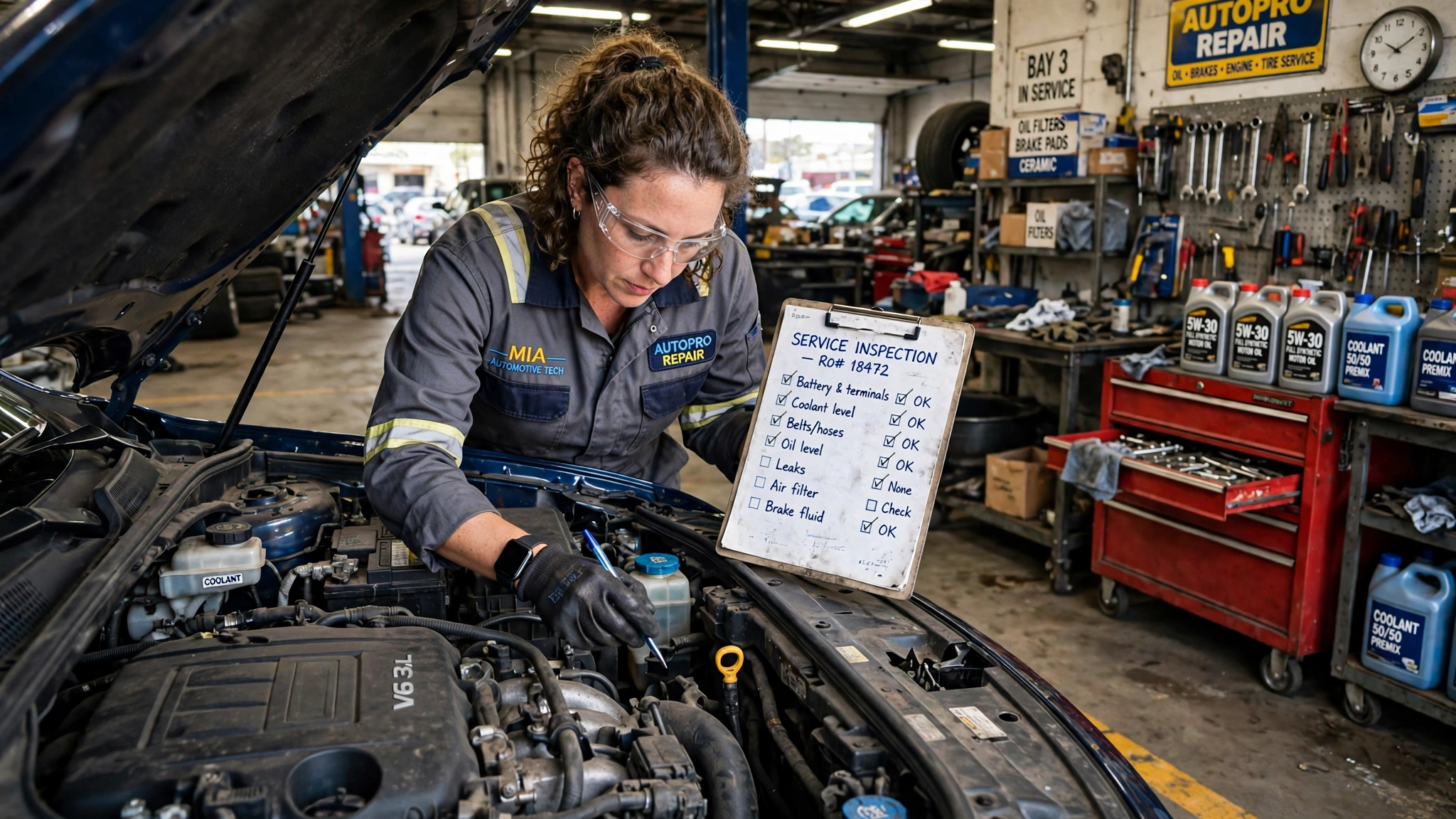
When people say a car is reliable, they usually mean three things: it breaks down rarely, the breakdowns it does have are cheap and minor, and it lasts a long time without major work. The big studies measure this differently, which is why their lists don’t match exactly — and understanding the difference makes you a smarter shopper.
Consumer Reports surveys its own readers about the problems they’ve had with their cars in the last 12 months. It weighs each problem by severity — an engine failure counts far more than a glitchy touchscreen — and turns that into a predicted reliability score from 1 to 100 for each model. Its 2026 brand ranking required data on at least two models from recent model years. The limitation, which CR itself acknowledges: it only hears from its own readers, so some brands don’t get enough responses to rank at all.
J.D. Power’s U.S. Vehicle Dependability Study works differently. It looks at 3-year-old vehicles and counts the problems owners report per 100 vehicles. Its 2026 study found problems up about 6% in a year, driven largely by software glitches — though analysts note today’s 3-year-old cars were built during the pandemic years, when supply chains and factory staffing were a mess, so some of that dip is a hangover, not a trend.
The takeaway: when both studies agree on a brand, you can trust it. When they disagree, dig into why — it usually comes down to what each one counts.
The Most Reliable Car Brands for 2026

Here’s where the two big studies landed for 2026:
Consumer Reports’ 2026 ranking put Toyota back on top — ahead of Subaru and Lexus, followed by Honda, BMW, Nissan, Acura, Buick, Tesla, and Kia. Toyota reclaimed the crown from Subaru this year; Lexus, Toyota’s luxury arm, held third.
J.D. Power’s 10 most dependable brands: Lexus, Buick, Mazda, Toyota, Cadillac, Chevrolet, GMC, Porsche, BMW, MINI. This was Lexus’ fourth straight year on top.
Notice the overlap: Toyota/Lexus, Mazda, Buick, BMW, and Honda-family brands appear on both lists. That’s not a coincidence. These are companies that evolve their cars slowly instead of reinventing them every cycle — and in reliability terms, boring is beautiful.
At the other end, both studies agree on the danger zone too. CR’s lowest scores went to Jeep, Ram, GMC, Chrysler, and Rivian. J.D. Power’s analysts specifically called out that EVs and plug-in hybrids from several brands are generating far more problems than their gas or traditional hybrid siblings.
The Most Reliable Models: What to Actually Shop For
Brand averages are useful, but you don’t buy a brand — you buy a specific car. Here’s what the data says by segment:
Compact sedans: The Toyota Corolla is the default answer — J.D. Power’s most dependable compact car for 2026 and a CR top-rank for years. The Honda Civic and Mazda 3 are the other two consistent names.
Midsize sedans: The Toyota Camry took J.D. Power’s midsize crown for 2026. The Honda Accord remains its eternal rival, though CR’s data has the Camry slightly ahead in recent years.
Small SUVs: The Nissan Kicks earned J.D. Power’s “most dependable small SUV” title for 2026. In the UK’s What Car? reliability survey, the Toyota RAV4 and Kia Sportage both scored near the top of their class.
Family SUVs: The Honda CR-V and Toyota RAV4 are the two names every reliability discussion comes back to. Both have deep track records, cheap and widely available parts, and strong resale values — which is itself a signal, since used buyers pay more for cars they trust.
Luxury: The Lexus NX and RX rank among CR’s most reliable luxury SUVs, and the BMW 3 Series took J.D. Power’s compact premium car award. Reliability and luxury aren’t opposites — they just cost more up front.
One honest caveat: model-level scores shift year to year as cars get redesigned. Always check the specific model year you’re buying, not just the nameplate.
Still comparing? See the Toyota Corolla vs Honda Civic comparison for the most dependable compact car, or the Toyota RAV4 vs Mazda CX-5 guide for a family-SUV head-to-head.
Hybrids vs. EVs vs. Gas: What the Data Says

This is the most useful finding in the 2026 data, and the one most buyers get wrong.
Traditional hybrids are the reliability sweet spot. Consumer Reports’ data consistently shows traditional hybrids — the kind you don’t plug in — among the most reliable choices you can buy, with excellent fuel economy as a bonus. Toyota’s hybrid system has been refined over millions of cars and two decades — it’s mature technology now, not an experiment.
EVs and plug-in hybrids have more problems. Both CR and J.D. Power found significantly more issues with battery-electrics and plug-in hybrids than with gas cars or traditional hybrids. Software glitches, charging hardware, and first-generation platforms are the main culprits. That doesn’t mean every EV is a lemon — the Tesla Model Y scored decently in CR’s 2026 survey — but as a category, they’re still working through growing pains.
Plain gas cars remain solid. A century of building internal-combustion engines means automakers are very good at it. If maximum reliability per dollar is your goal, a gas or traditional hybrid from a top brand is still the safest play in 2026.
The First-Year Rule: Never Buy a Redesign in Year One
This is the oldest advice in car buying, and Consumer Reports renewed it firmly for 2026: don’t buy an all-new or heavily redesigned model. First-year cars carry the bugs the factory hasn’t found yet.
CR specifically warned that some models were still scoring poorly in their second year — including several newly launched EVs and trucks. Sometimes it takes an automaker more than one model year to sort out a new platform.
The flip side is just as useful: a car in the third or fourth year of its generation is usually the most reliable version of itself. All the early fixes are in, parts are plentiful, and mechanics know the car inside out. When you’re shopping, check when the current generation launched — that one fact tells you a lot.
What Reliability Means for Your Wallet
Reliability isn’t abstract. Here’s how it hits your bank account:
- Repair bills: J.D. Power’s 2026 data put the industry average above 200 problems per 100 vehicles over three years. The most reliable brands run far below that — which is the difference between routine maintenance and surprise $1,000+ invoices.
- Resale value: Cars with strong reliability reputations hold their value noticeably better. A 5-year-old RAV4 or CR-V commands a real premium over a less-trusted rival, which lowers your true cost of ownership when you sell.
- Insurance and downtime: Fewer breakdowns means fewer rental cars and fewer missed workdays.
And here’s the part most reliability guides skip: tires are part of reliability. Worn tires are one of the most common reasons cars fail inspections, and a blowout at highway speed is a safety failure no engine warranty covers. Keeping up with rotations, watching for worn tires before they become dangerous, and fitting the correct tire size for your car are some of the cheapest reliability insurance you can buy. Even the most dependable car in the world still rides on four rubber contact patches.
How to Buy a Reliable Car: A Practical Checklist

Use this when you’re actually shopping — new or used:
- Check two sources, not one. Look up the model in both Consumer Reports’ rankings and J.D. Power’s dependability data. If both like it, you’re on firm ground.
- Buy a proven generation. Prefer a car in year 3+ of its design cycle over a fresh redesign, no matter how shiny the new one looks.
- For used cars, demand the maintenance history. A well-maintained average car beats a neglected “reliable” one every time. No records? Walk away or budget for a full inspection.
- Get a pre-purchase inspection. $150–$200 at an independent mechanic is the best money you’ll spend in the whole process.
- Check the warranty. A longer factory powertrain warranty is a manufacturer betting its own money on reliability — take the hint.
- Test-drive like you mean it. Cold start it, drive it at highway speed, listen for noises, check every electronic feature. Problems hide in rushed test drives.
- Price the boring stuff. Look up tire replacement costs, brake job prices, and insurance quotes before you buy. A “reliable” luxury car with $400 tires every 30,000 miles isn’t the bargain it looks like.
Compare Reliable Cars Side by Side
Rankings tell you which brands to trust — but the final choice is always between two specific cars on a lot. If you’ve narrowed it down to, say, a RAV4 versus a CR-V or a Corolla versus a Civic, compare reliable cars side by side with our free tool: pick any two cars and see engine, fuel economy, space, safety, and running costs in one table. And if the worst happens on the road, it helps to know your options for roadside help if a tire fails before you need them.
Frequently Asked Questions
What is the most reliable car brand in 2026?
Toyota topped Consumer Reports’ 2026 brand reliability ranking, with Subaru second and Lexus third. J.D. Power’s dependability study ranked Lexus first, followed by Buick and Mazda. Toyota and Lexus appear at the top of both lists.
What is the most reliable car model you can buy?
There’s no single winner, but the Toyota Corolla (J.D. Power’s most dependable compact car for 2026), Toyota Camry (most dependable midsize), Honda Civic, Honda CR-V, and Toyota RAV4 are the names that appear most consistently across independent studies.
Are hybrids more reliable than EVs?
According to Consumer Reports’ 2026 data, yes — traditional hybrids are among the most reliable vehicles you can buy, while battery-electrics and plug-in hybrids currently report more problems, mostly around software and charging hardware.
Is it bad to buy the first model year of a redesigned car?
Consumer Reports advises against it: first-year and heavily redesigned models have measurably more problems. Some models in the 2026 data were still scoring poorly in their second year. A car in the third or fourth year of its generation is usually the safest version to buy.
Do reliable cars cost less to own overall?
Generally, yes. Fewer repairs, lower surprise bills, cheaper and more available parts, and stronger resale values all compound. Just remember to price consumables — tires, brakes, insurance — since those vary a lot even between reliable models.
Where can I compare two reliable cars directly?
Our free Compare Cars tool lets you pick any two cars and see their specs, fuel economy, space, and safety features side by side.
The Bottom Line
You don’t need luck to buy a reliable car — you need data and patience. Start with the brands both major studies agree on (Toyota, Lexus, Honda, Mazda, Subaru), pick a model in a proven generation rather than a fresh redesign, lean toward a traditional hybrid if fuel economy matters, and verify the specific car with a pre-purchase inspection. Do that, and the odds shift heavily in your favor.
More head-to-heads on the site: Ford F-150 vs Chevy Silverado Reliability and Toyota Tacoma vs Ford Ranger.
