
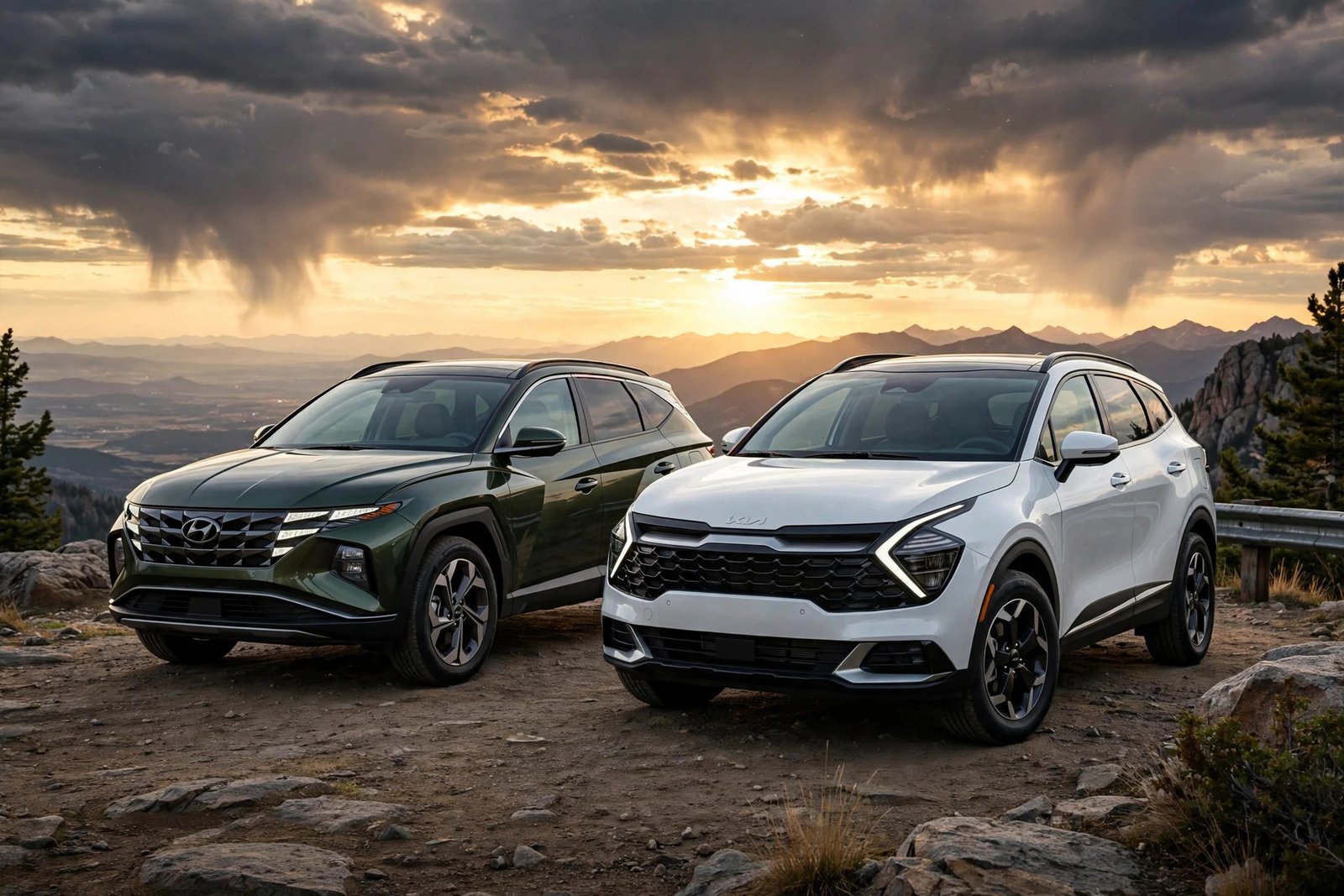
Quick answer: The Hyundai Tucson and Kia Sportage are corporate cousins built on the same platform with the same engines — so neither is a bad pick. Buy the Sportage if you want the lowest starting price and the most efficient hybrid (its front-wheel-drive hybrid reaches around 42–43 mpg combined). Buy the Tucson if you want maximum cargo space (about 80 cu ft max vs. the Sportage’s ~74) and prefer its slightly more composed road manners. Read on for the full breakdown.
Verdict
Winner: split — the Kia Sportage wins on price and hybrid fuel economy; the Hyundai Tucson wins on cargo space and towing. Both are the same platform with the same engines — the Sportage starts $910 lower and its front-drive hybrid reaches about 42–43 mpg against the Tucson’s about 38 mpg, while the Tucson holds about 80 cu ft of cargo against about 74 cu ft and tows 2,750 lbs against 2,500 lbs.
Scored comparison
| Category | Hyundai Tucson | Kia Sportage | Winner |
|---|---|---|---|
| Price (starting) | 8 – from $29,700 (base SE) | 9 – from $28,790 (base LX) | Sportage |
| Hybrid fuel economy | 8 – about 38 mpg combined | 9 – about 42–43 mpg combined (FWD) | Sportage |
| Cargo space (max) | 9 – about 80 cu ft | 8 – about 74 cu ft | Tucson |
| Towing | 8 – 2,750 lbs | 7 – 2,500 lbs | Tucson |
| Plug-in hybrid EV range | 8 – about 33 miles | 8 – about 34 miles | Tie |
| Safety | 9 – IIHS Top Safety Pick+; 5-star NHTSA | 9 – IIHS Top Safety Pick+; 5-star NHTSA | Tie |
| Warranty | 9 – 5 yr / 60,000 mi; 10 yr / 100,000 mi powertrain | 9 – 5 yr / 60,000 mi; 10 yr / 100,000 mi powertrain | Tie |
| Reliability (RepairPal) | 9 – 4.0 / 5.0, 5th of 26 | 9 – 4.0 / 5.0, 6th of 26 | Tie |
| Ride and handling feel | 8 – firmer, more composed | 9 – softer, more relaxed | Sportage |
Scores are our 1–10 reading of the figures already in this article; they are not separate test results.
How we rank / Sources & method
We ranked the two SUVs only on the figures in this article: starting MSRP and specifications from the manufacturers’ sites (Hyundai and Kia), EPA fuel economy via fueleconomy.gov, IIHS and NHTSA safety ratings, MotorTrend testing, and RepairPal reliability ratings. Prices are starting MSRP excluding destination unless stated. Figures change by model year and trim, so check the manufacturer’s site before you buy.
Data as of / Prices as of: November 11, 2026 (MSRPs checked November 11, 2026).
Shopping for a compact SUV in 2026? The Hyundai Tucson and Kia Sportage will be on every shortlist — two of America’s best-selling small SUVs, both with top safety honors and a 10-year/100,000-mile powertrain warranty that embarrasses most rivals.
Here’s the twist that makes this comparison unusual: Hyundai and Kia are corporate siblings, and the Tucson and Sportage share the same platform, engines, and transmissions. You’re not really choosing which brand builds the better SUV — you’re choosing between packaging, pricing, and personality. The differences are small, but at $30,000+, small differences matter.
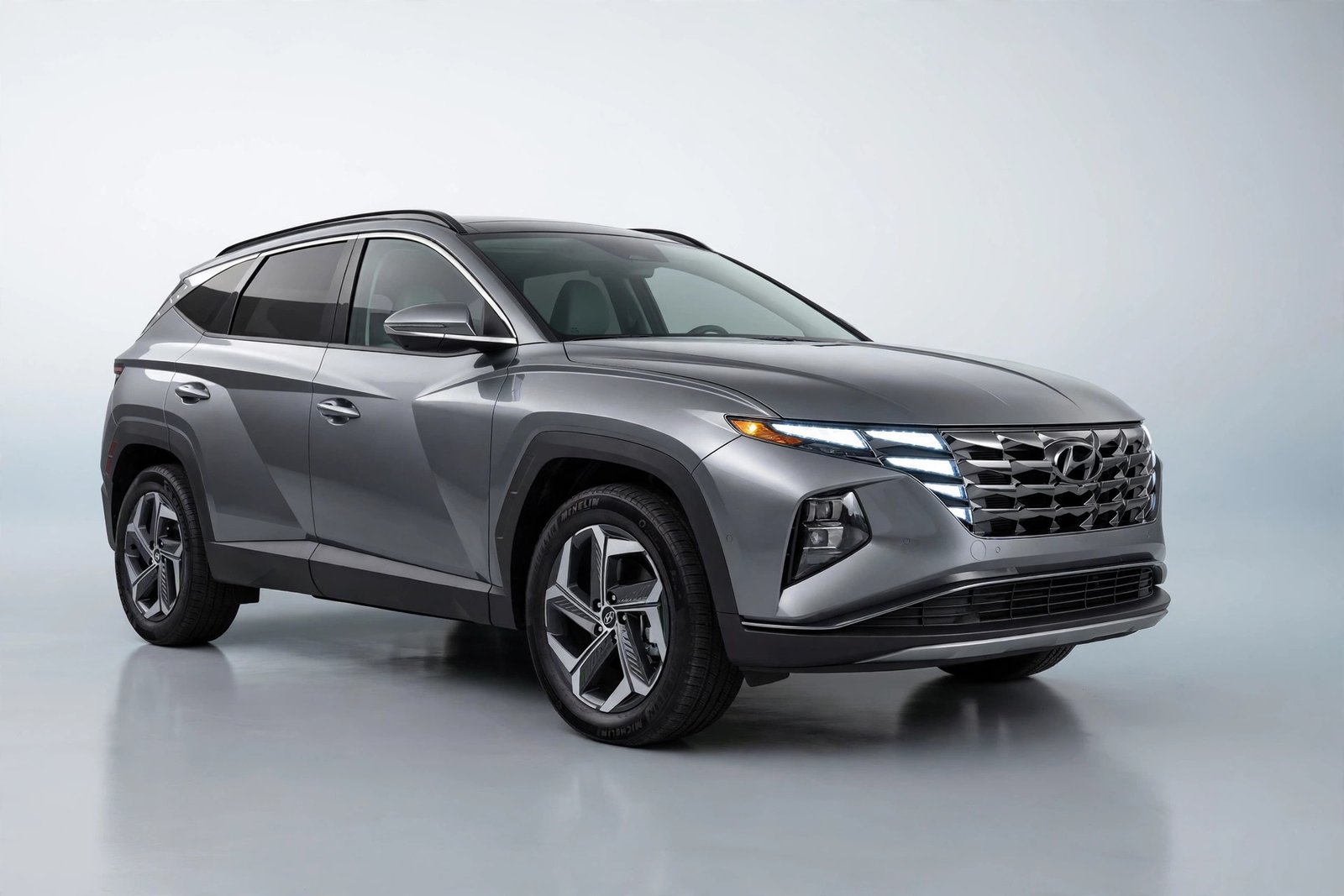
Hyundai Tucson vs Kia Sportage at a Glance
| Spec | Hyundai Tucson (2026) | Kia Sportage (2026) |
|---|---|---|
| Starting MSRP | $29,700 | $28,790 |
| Base engine | 2.5L 4-cyl, 187 hp / 178 lb-ft | 2.5L 4-cyl, 187 hp / 178 lb-ft |
| Transmission | 8-speed automatic | 8-speed automatic |
| Drivetrain | FWD standard, AWD available | FWD standard, AWD available |
| Gas MPG (FWD, combined) | ~28 mpg | ~28 mpg |
| Hybrid system | 1.6L turbo hybrid, ~231 hp combined | 1.6L turbo hybrid, ~231 hp combined |
| Hybrid MPG (best) | ~38 mpg combined | ~42–43 mpg combined (FWD) |
| Plug-in hybrid | Yes — ~33 mi EV range | Yes — ~34 mi EV range |
| Max cargo space | ~80 cu ft | ~74 cu ft |
| Cargo behind rear seats | ~38.7 cu ft | ~39.6 cu ft |
| Max towing | 2,750 lbs | 2,500 lbs |
| Seating | 5 | 5 |
| Basic warranty | 5 yr / 60,000 mi | 5 yr / 60,000 mi |
| Powertrain warranty | 10 yr / 100,000 mi | 10 yr / 100,000 mi |
| Safety | IIHS Top Safety Pick+ | IIHS Top Safety Pick+ |
| 0–60 mph (gas, tested) | ~9.3 sec | ~9.3 sec |
Figures are 2026 US model-year specs and vary by trim, drivetrain, and region. Starting MSRPs from hyundaiusa.com and kia.com, checked November 11, 2026. Always confirm exact numbers with your dealer before buying.
Still comparing? See our Toyota Corolla vs Honda Civic compact-car comparison, the Toyota Tacoma vs Ford Ranger midsize-truck comparison, the Honda Pilot vs Toyota Highlander three-row SUV comparison, and the Ford F-150 vs Chevy Silverado reliability comparison.
They’re Corporate Cousins — Here’s What That Actually Means
Let’s clear up the elephant in the room: Hyundai Motor Group controls Kia, and the two co-develop vehicles. The Tucson and Sportage ride on the same N3 platform with an identical 108.5-inch wheelbase, and their 2.5-liter fours are the same Smartstream unit (187 hp / 178 lb-ft) bolted to the same 8-speed automatic. Independent tests show near-identical acceleration (about 9.3 seconds to 60 mph) because, under the skin, they nearly are identical.
So you’re really choosing between styling, tuning, packaging, pricing, and a handful of feature decisions — like the hybrid drivetrains: Kia’s front-drive Sportage Hybrid rates about 42–43 mpg combined, while the Tucson Hybrid comes in front-or all-wheel drive and tops out at about 38 mpg combined.
Price and Trims: Sportage Starts Cheaper
Price is the first place the twins separate — and it’s an honest, checkable difference. The Sportage typically starts a few hundred lower ($28,790, base LX); the Tucson starts at $29,700 (base SE). Hybrids follow suit: Sportage Hybrid from $30,490, Tucson Hybrid from $31,300. Fully loaded, both reach the mid-$40,000s.
That’s a $500–$2,000 gap by trim — the Sportage has the cleaner low-price argument, though Hyundai packs slightly richer equipment into some trims. Compare window stickers, not just MSRPs.
Trim names and pricing shift by model year, so treat these as typical 2026 figures and check your local dealer’s current listings.
A note on 2027 models: Kia’s site now lists the 2027 Sportage with the same refreshed design and powertrains as the 2026 model, with the base LX starting at $28,990 and the Sportage Hybrid LX starting at $30,590.
Engines and Performance: Same Heart, Slightly Different Tune
Gas models: Both use the 2.5-liter naturally aspirated four (187 hp / 178 lb-ft) with an 8-speed automatic. Around town they feel — unsurprisingly — almost identical. Neither is quick; both take roughly 9.3 seconds to reach 60 mph in independent testing. Adequate for commuting, unremarkable next to turbocharged rivals like the Mazda CX-5 (see our Toyota RAV4 vs Mazda CX-5 comparison).
Hybrids: Both pair a 1.6-liter turbo four with an electric motor for around 231 combined horsepower and 271 lb-ft of torque — noticeably quicker (0–60 in the 7s in MotorTrend testing) and far more efficient. The catch: only the front-drive Sportage Hybrid reaches the 42-mpg range; the Tucson Hybrid comes in front-or all-wheel drive, and its combined rating tops out at about 38 mpg.
Plug-in hybrids: Both offer a PHEV with roughly 260+ combined horsepower — about 33 miles of EV range for the Tucson, 34 for the Sportage. If you can charge at home and commute under 30 miles, a PHEV can slash fuel bills dramatically.
Fuel Economy: The Sportage Hybrid’s Big Advantage
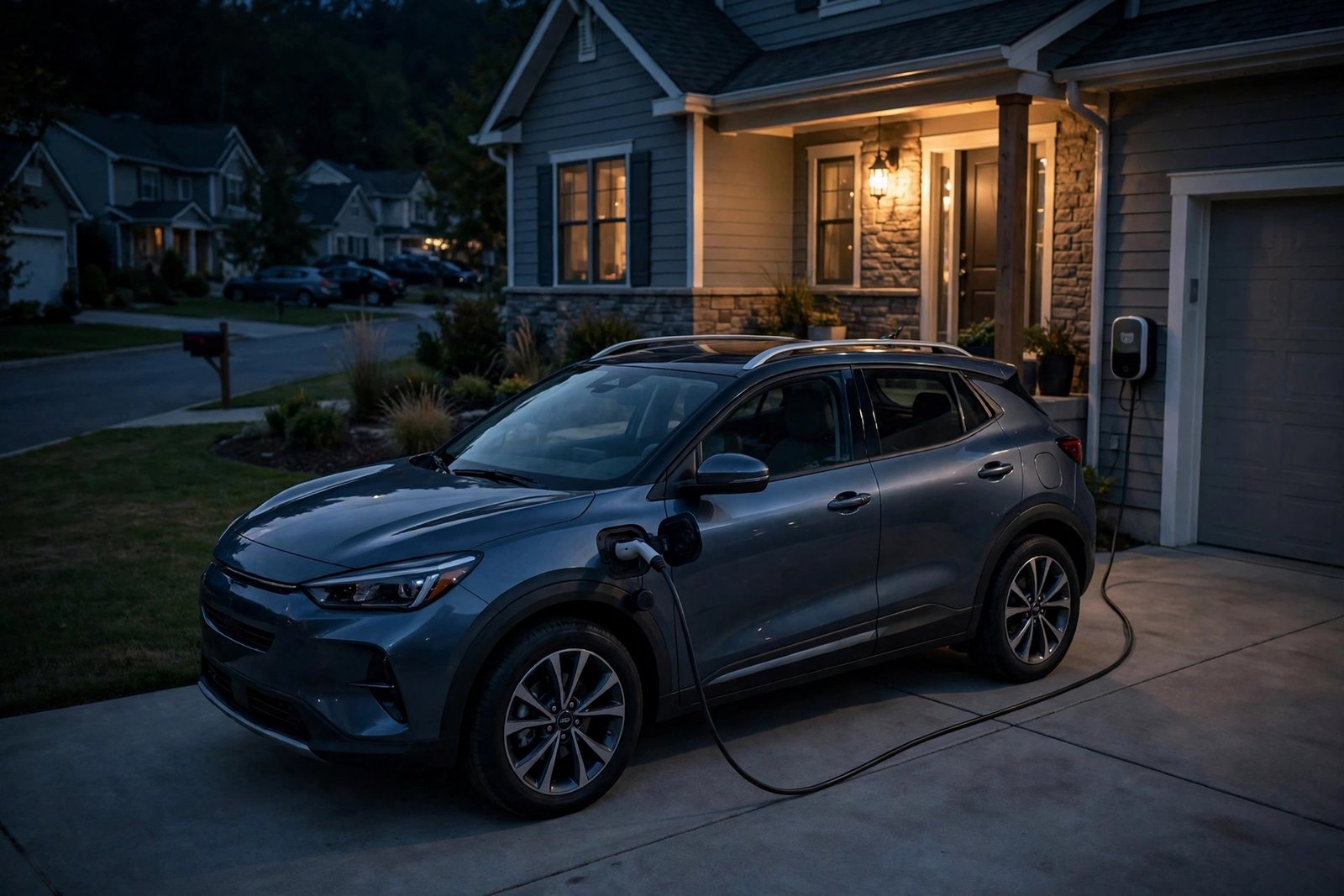
For gas models, it’s a dead heat: both earn roughly 28 mpg combined in front-wheel-drive form (AWD drops a mile or two).
The hybrid story is where Kia pulls ahead decisively:
- Sportage Hybrid (FWD): up to ~42–43 mpg combined — among the best in the entire compact SUV class.
- Tucson Hybrid: about 38 mpg combined (front- or all-wheel drive).
That 4–5 mpg gap shows up in the EPA ratings even though the hybrids share the same 1.6-liter turbo system. face real winters, you want AWD anyway. But Sun Belt commuters chasing maximum efficiency should pick the front-drive Sportage Hybrid: it’s one of the most fuel-efficient non-plug-in SUVs you can buy. Verify current EPA figures for both at fueleconomy.gov.
Interior, Tech, and Cargo Space
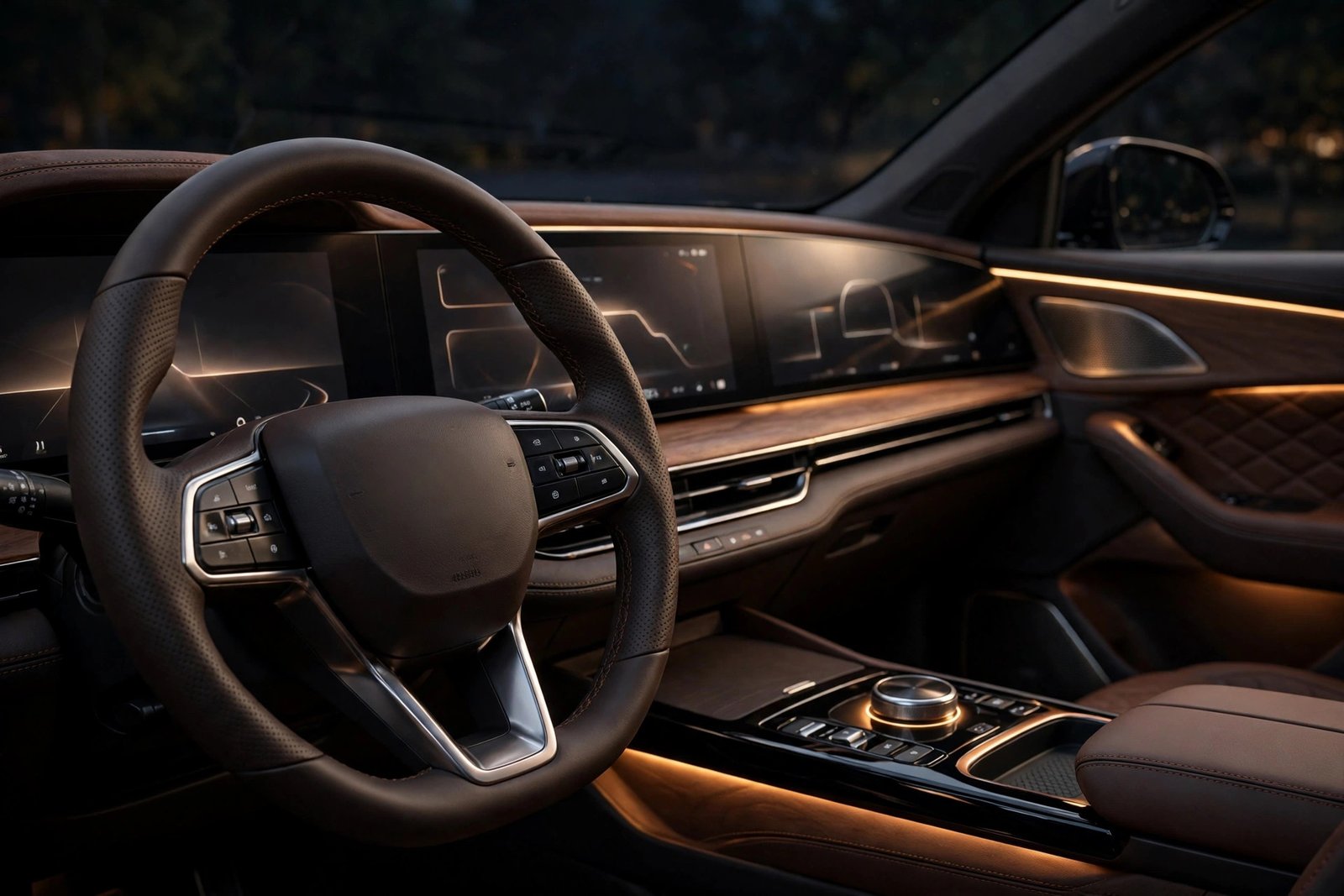
Cabin feel: Both offer modern, well-built interiors with a standard 12.3-inch touchscreen on every trim — a genuine tie, and generous for the class. The Tucson leans minimalist and futuristic; the Sportage goes warmer, with available dual 12.3-inch screens in one sweeping curved panel and physical climate controls many drivers prefer over touch sliders.
Passenger space: Effectively identical, thanks to the shared wheelbase. Five adults fit comfortably in both.
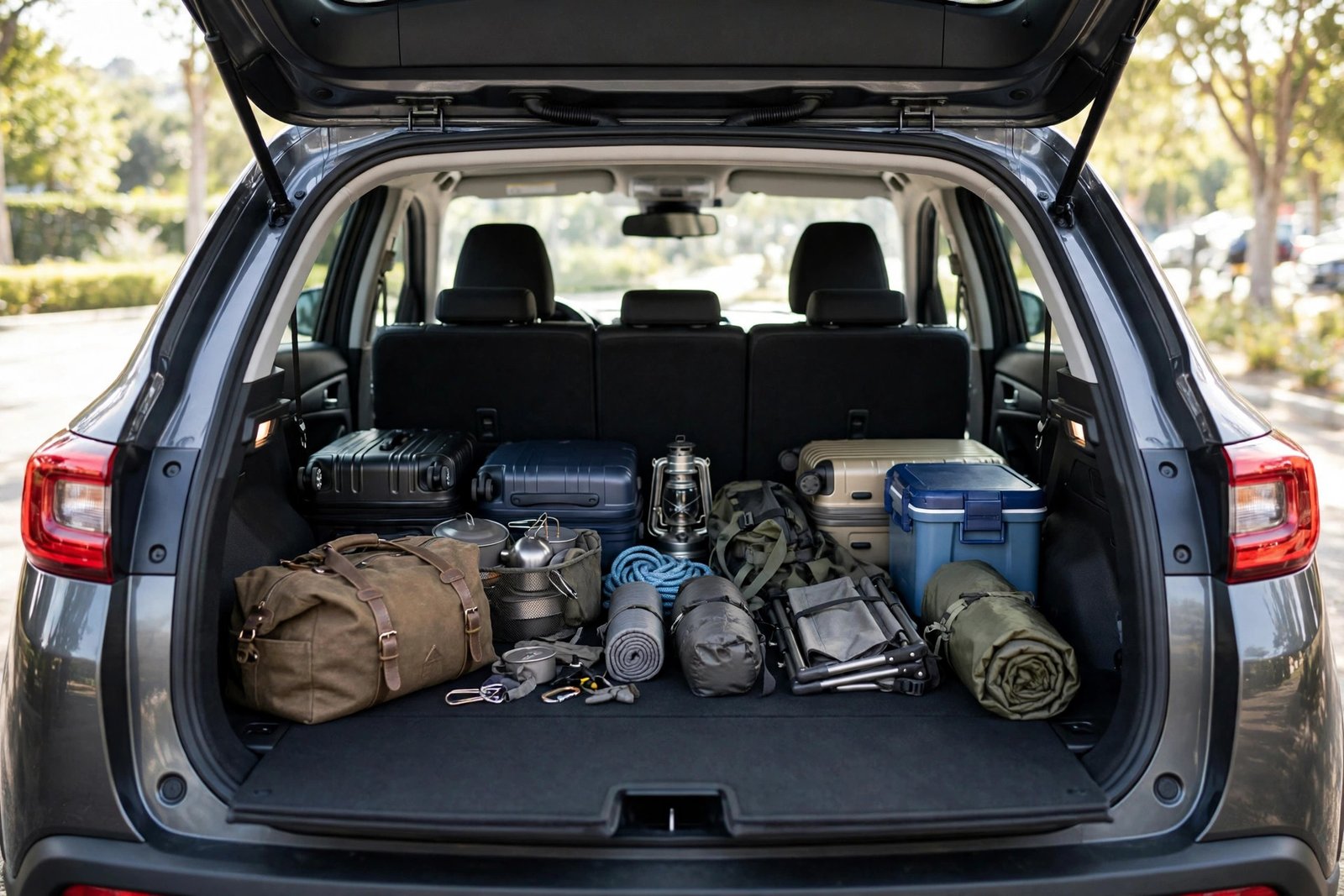
Cargo: This is the Tucson’s clearest practical win.
- Maximum cargo (seats folded): Tucson ~80 cu ft vs. Sportage ~74 cu ft
- Behind the rear seats: essentially tied — Sportage ~39.6 cu ft, Tucson ~38.7 cu ft
In plain English: with the back seats up, they’re interchangeable. Fold them flat for an IKEA run or camping trip, and the Tucson swallows about 6 extra cubic feet — families who load up regularly will notice.
Safety: A Genuine Tie
You cannot go wrong here. Both earn the IIHS Top Safety Pick+ — the Institute’s highest honor — and both carry 5-star overall NHTSA ratings. Standard driver-assist tech includes forward collision avoidance, lane-keeping assist, blind-spot monitoring, and adaptive cruise control. Check the latest ratings at iihs.org.
Warranty and Reliability: A Dead Heat
Warranty (US): Another tie — both offer 5 years/60,000 miles basic and 10 years/100,000 miles powertrain coverage, roughly double what Honda and Toyota provide. It’s a major reason value-focused buyers choose either brand.
Reliability: the two are effectively tied. RepairPal rates both SUVs 4.0 out of 5.0 — above average for compact SUVs — with the Tucson ranking 5th out of 26 in its class and the Sportage 6th. The Sportage’s owners make slightly fewer unscheduled shop visits (0.19 a year versus the Tucson’s 0.26), while the Tucson’s average annual repair bill is a little lower ($426 versus $462).
Perspective matters: both rate above average — this is good versus slightly better, not good versus bad. Any gap here is small and comes mostly from electronics and software rather than fundamental engineering. If dependability is your top priority, the data shows no meaningful difference between the two.
How They Feel on the Road
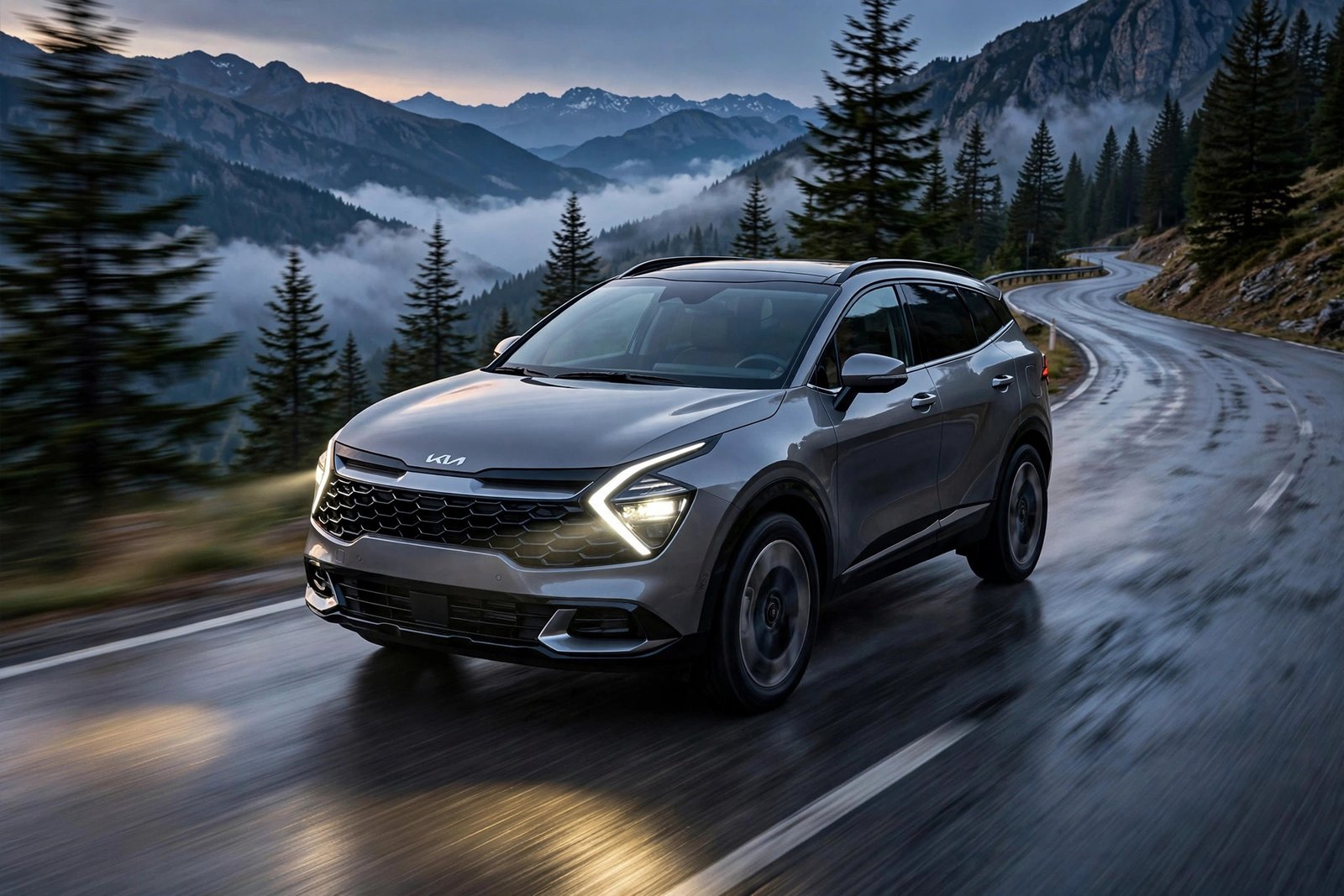
Same platform doesn’t mean same personality — the brands tune them differently:
- Tucson: Firmer suspension, heavier steering, a lower driving position — a touch more sedan-like. It has the edge in braking (about 118 feet from 60 mph vs. ~128 for the Sportage in independent tests) and feels more controlled on smooth highways. Tradeoff: bumps transmit more clearly, and the transmission rushes to upshift, occasionally hesitating on quick downshifts.
- Sportage: Softer suspension, lighter steering, more relaxed crossover feel. It absorbs broken pavement better and holds gears longer, feeling marginally peppier day to day. Tradeoff: a bit more body movement over rolling roads.
Neither is sporty — if driving fun matters, look at the Mazda CX-5. For commuting comfort, most drivers will find the Sportage slightly more relaxing and the Tucson slightly more controlled. Test-drive both back to back; the difference is subtle but real.
Which Should You Buy?
Buy the Kia Sportage if you:
- Want the lowest purchase price
- Want the most efficient hybrid (FWD, ~42–43 mpg combined)
- Prefer the more relaxed, comfortable ride
Buy the Hyundai Tucson if you:
- Need maximum cargo space (~80 cu ft max)
- Tow occasionally (2,750-lb rating vs. 2,500)
- Prefer a firmer, more composed driving feel
- Like the minimalist cabin design
Get the hybrid if you can. The premium usually pays for itself in fuel savings within a few years, and the extra power transforms both from adequate to genuinely pleasant.
One last thing: because they share so much engineering, the specific vehicle matters more than the badge. A well-maintained example with full service records will outlast a neglected one either way. Check for completed recalls and get a pre-purchase inspection on any used buy.
Compare Them Side by Side
Specs only tell half the story. Use our free Compare Cars tool to put the Tucson and Sportage head-to-head — or stack them against the RAV4, CR-V, and CX-5. Cross-shopping three-row SUVs? See our Kia Telluride vs Hyundai Palisade showdown.
Frequently Asked Questions
Is the Kia Sportage just a rebadged Hyundai Tucson?
Not quite — but close. They share the same platform, engines, transmissions, and much of their engineering, since Hyundai Motor Group controls Kia. Think of them as fraternal twins: same bones, different styling, tuning, pricing, and packaging. The differences (hybrid drivetrain options, cargo space, towing, price) are real even though the hardware is shared.
Which is cheaper, the Tucson or the Sportage?
$28,790 vs. the Tucson’s $29,700 for base 2026 US trims — and the gap holds for hybrids (Sportage Hybrid from $30,490 vs. Tucson Hybrid from $31,300). Actual transaction prices vary by dealer and incentives, so get quotes for both.
Which gets better gas mileage, Tucson or Sportage?
Gas models tie at about 28 mpg combined (FWD). Hybrids are the real story: the front-wheel-drive Sportage Hybrid reaches roughly 42–43 mpg combined, while the Tucson Hybrid manages about 38 mpg combined in front- or all-wheel-drive form.
Which is bigger, the Tucson or the Sportage?
Passenger space is nearly identical (same 108.5-inch wheelbase). For cargo, the Tucson wins on maximum volume — about 80 cu ft with seats folded vs. ~74 cu ft for the Sportage. With rear seats up, they’re effectively tied at ~39 cu ft each.
Is the Hyundai Tucson or Kia Sportage more reliable?
Both rate above average — RepairPal gives each 4.0 out of 5.0, with the Tucson ranking 5th out of 26 compact SUVs and the Sportage 6th. The Sportage’s owners make slightly fewer unscheduled shop visits, while the Tucson’s average repair bill is a little lower. Both carry a 10-year/100,000-mile powertrain warranty.
Do the Tucson and Sportage have the same warranty?
In the US, yes — 5 years/60,000 miles basic and 10 years/100,000 miles powertrain on both, among the longest in the industry. Terms vary by country; check hyundaiusa.com or kia.com for local details.
More head-to-heads on the site: Jeep Wrangler vs Ford Bronco and Chevrolet Colorado vs Ford Ranger.