
Quick answer: Smart tires are genuinely promising — earlier warnings than TPMS, tread and grip data your car can act on, and real benefits for fleets and EVs. But in 2026 they are still mostly a tomorrow technology for regular drivers: expensive, hard to buy, and unproven over a full tire lifetime. Worth watching closely, not worth waiting for before you replace worn tires today.
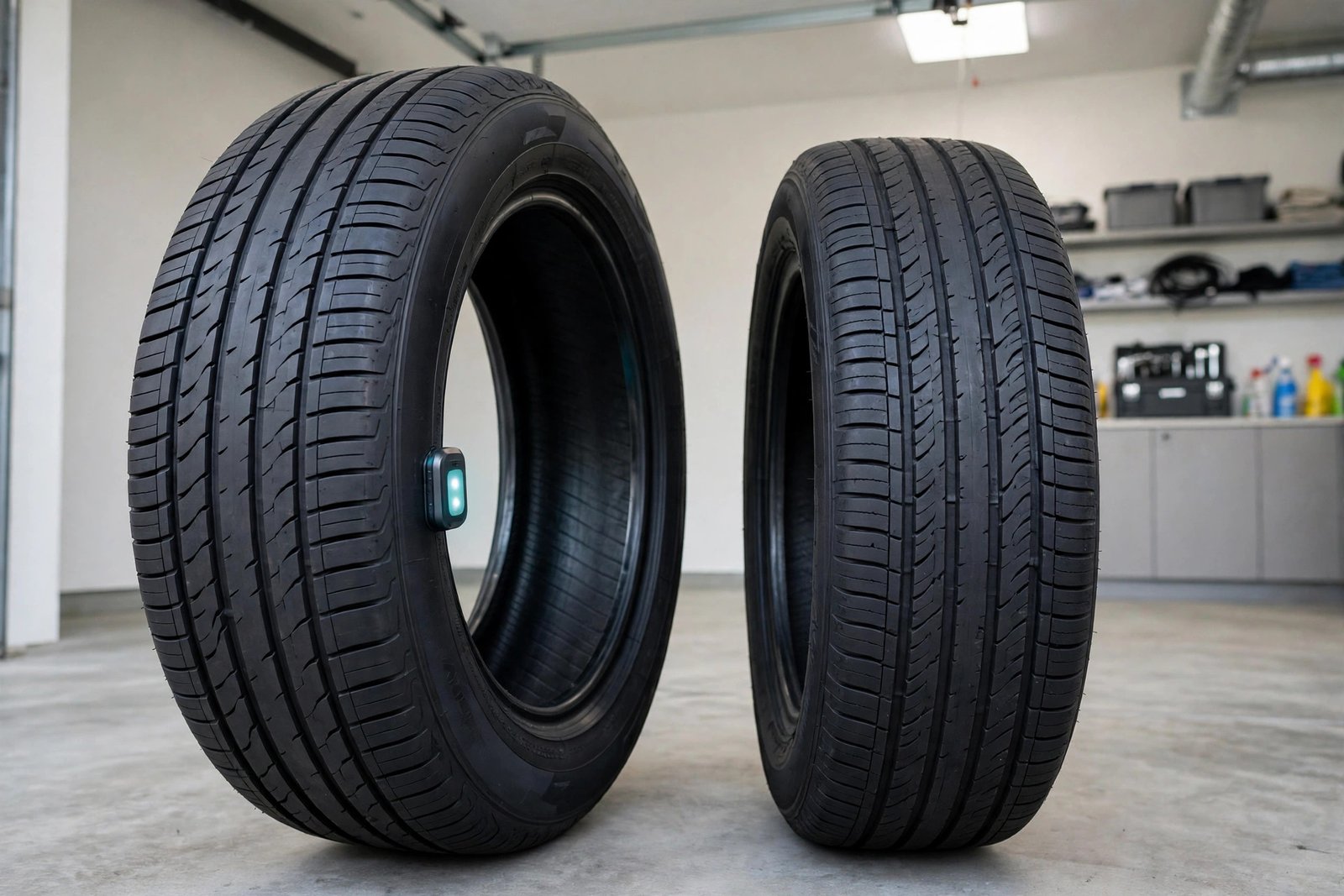
The smart tires pros and cons debate is easy to get wrong, because most of what ranks for it is either fleet marketing or vague futurism. A smart tire is not a tire with a pressure sensor screwed into the valve — your car probably already has that, and it is called TPMS. A smart tire senses its own condition from inside the rubber — tread depth, temperature, load, and in the most advanced systems, road grip — and shares that information with the car, the driver, or a fleet manager, in real time. This guide weighs both sides using only numbers verified on a manufacturer, government, or test source.
What a smart tire does that TPMS does not
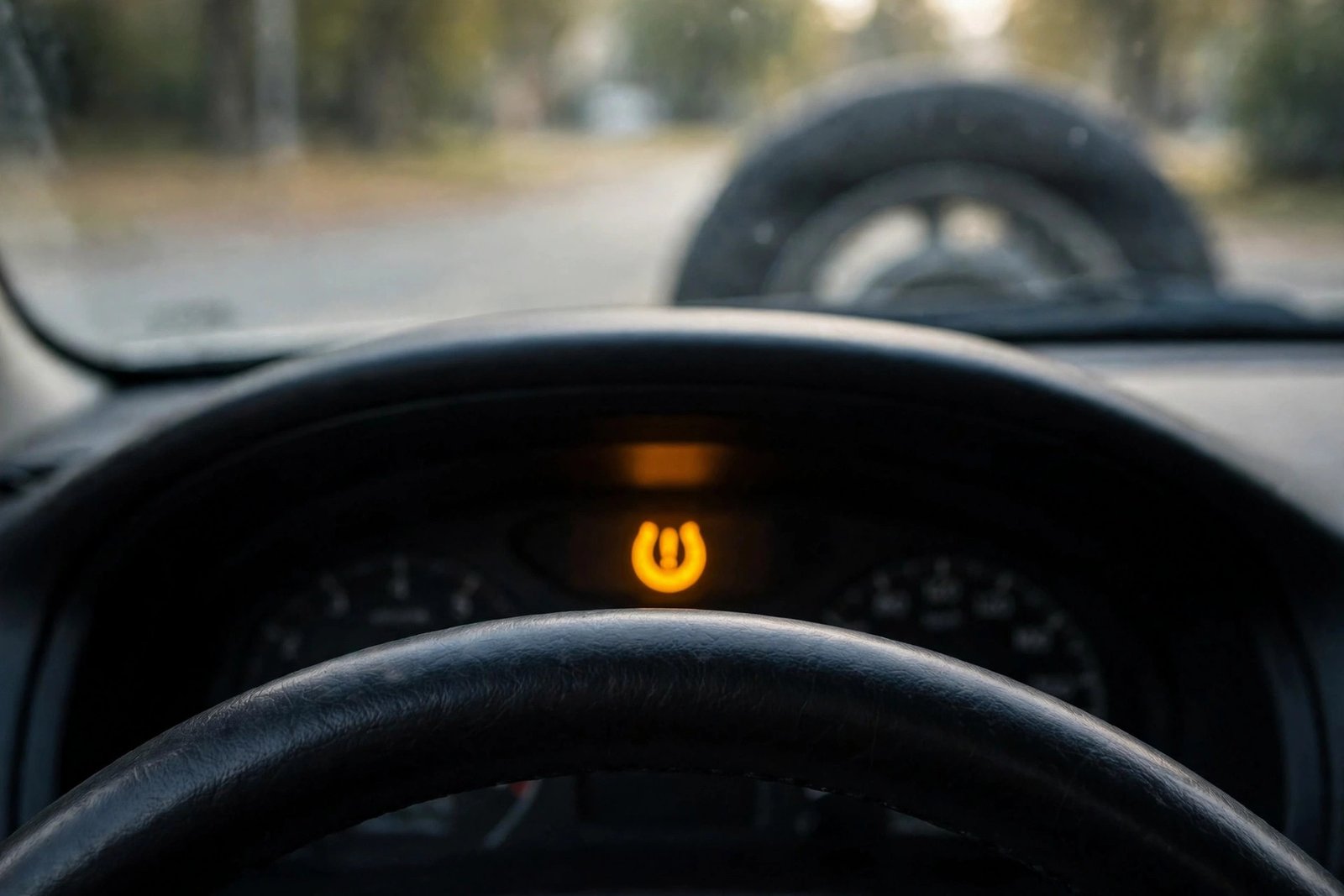
TPMS does one job: it watches air pressure. Under the US federal standard FMVSS No. 138, it must warn you within 20 minutes once a tire falls 25 percent or more below the vehicle maker’s recommended cold pressure. That is a useful safety net, but it says nothing about tread depth, overheating, overloading, or black ice. A tire can sit at perfect pressure and still be bald, damaged, or on a slippery road, and TPMS will stay silent.
Smart tire systems close those gaps: Pirelli puts a small sensor inside the tire, Goodyear’s SightLine combines tire-mounted sensors with software models, and Continental’s ContiSense concept used electrically conductive rubber. If your TPMS light is misbehaving today, that is a separate problem; see our guides on how to tell if a TPMS sensor is bad and why the tire pressure light stays on after filling tires.
| What is measured | Standard TPMS | Smart tire systems |
|---|---|---|
| Air pressure | Yes | Yes |
| Temperature | Sometimes (sensor temperature) | Yes, tire and sometimes road temperature |
| Tread depth / wear | No | Yes, in leading systems |
| Load on the tire | No | Yes, in leading systems |
| Road friction / grip | No | Yes, in the most advanced systems |
| Puncture detection | Only once pressure falls | At penetration, in some concepts |
| Feeds braking / stability systems | No | Yes, in Pirelli and Goodyear integrations |
The pros: what smart tires genuinely do better
Earlier warnings than pressure-only TPMS
TPMS waits for pressure to fall. Some smart tire designs warn you at the moment of damage. Continental’s ContiSense concept, shown in 2017, closed an electrical circuit the instant something penetrated the tread, triggering a warning before pressure had begun to fall at all. A slow leak from a nail can take hours or days to trip a TPMS warning, and in that window you drive on a tire that is quietly getting worse. A tire that reports the penetration itself removes that blind spot.
Tread, load, and temperature data you can act on
Pressure is one number; a tire’s real condition is several at once. A heavily loaded tire at correct pressure still runs hotter and wears faster, and no dashboard light tells you the car is overloaded. A tire running far hotter than its mates usually has a problem, and catching it early can prevent a blowout.
Fleet systems already prove the value of this data at scale. Continental’s ContiConnect fleet monitoring uses sensors inside truck and bus tires to report pressure, temperature, and mileage to a web portal and app. Continental claims it increases tire casing life by 20 percent, tire mileage by 15 percent, and cuts tire-related breakdowns by 85 percent. Those are the maker’s own figures, not independent test results, so treat them as a best-case claim.
The car itself gets smarter: braking and ADAS integration
The most exciting pro has nothing to do with warning the driver. It is about warning the car. Today’s ABS, stability control, and automatic emergency braking systems have to guess how much grip is available, learning it by feel as they brake. A smart tire can tell them in advance.
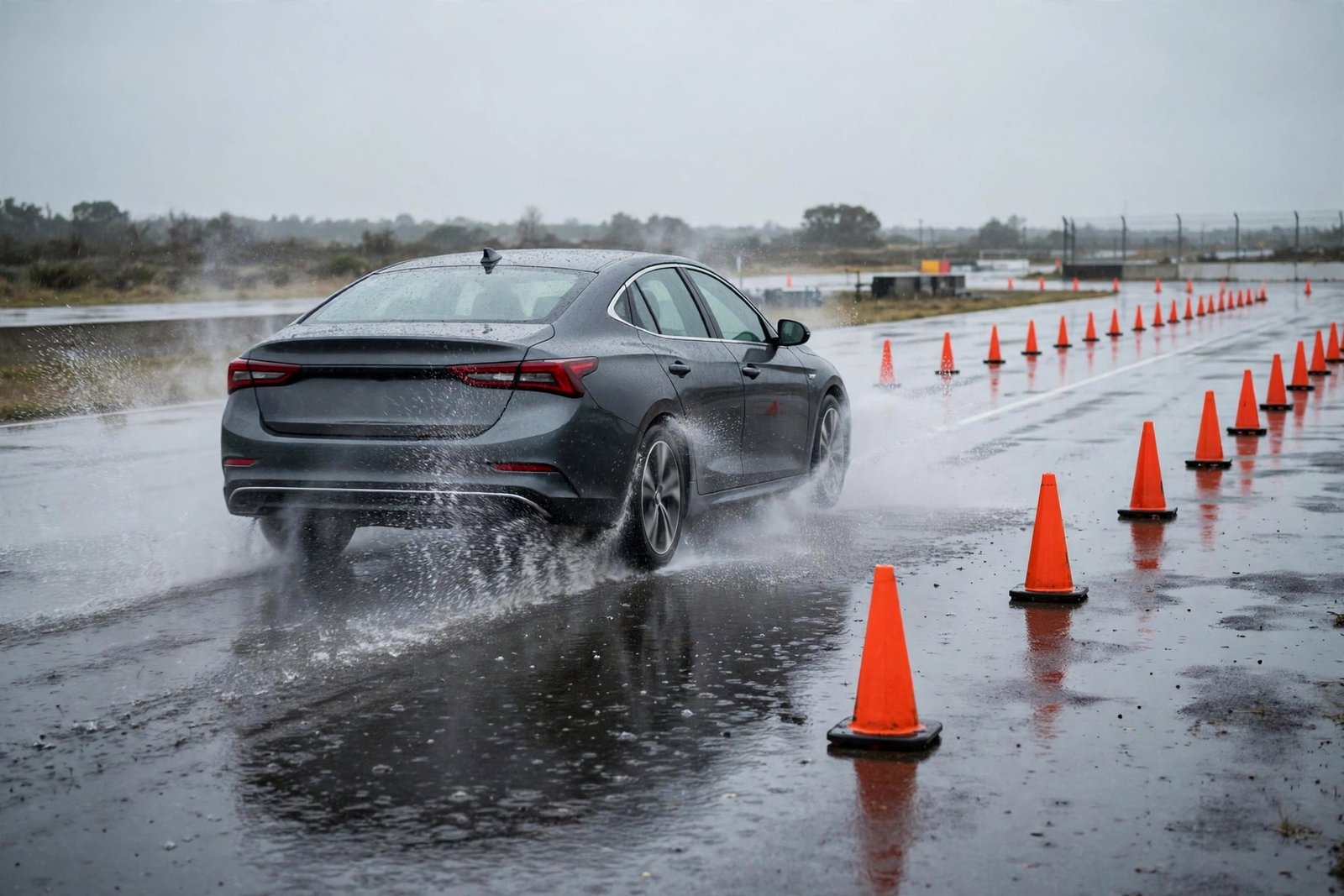
Pirelli’s Cyber Tyre is furthest along here. In an October 2026 hands-on test at Pirelli’s Vizzola track, reported by evo, a test car on winter tires stopped 5.7 meters sooner from 68 mph (110 km/h) with Cyber Tyre active than without it, because the braking system knew the tire type, temperature, pressure, and tread depth up front instead of discovering grip as it braked. In the same demonstration, the system helped the car keep steering during an aquaplaning test where it otherwise plowed straight on. One demonstration is not proof of everyday results, but it is the first independent, measured evidence that tire data can change stopping distances.
Goodyear is chasing the same prize with SightLine, its tire-intelligence suite launched in 2021, which measures wear, load, inflation, and temperature and estimates tire-road friction. Working with the Dutch research organization TNO, Goodyear has demonstrated SightLine feeding road-condition data to automatic emergency braking so the system brakes earlier on low-friction surfaces, with wet-road trials showing impact mitigation at speeds up to 50 mph. That work is still development-stage, but it points the same way: safety systems that listen to the tire should work better.
Efficiency gains — real, but smaller than the hype
Keeping tires at the right pressure saves fuel. The US Department of Energy says proper inflation can improve gas mileage by 0.6 percent on average and up to 3 percent in some cases, and that underinflated tires lower gas mileage by about 0.2 percent for every 1 psi drop in the average pressure of all four tires. Smart tires help only indirectly: by watching pressure continuously and warning earlier, they keep tires closer to correct pressure more of the time.
Be skeptical of bigger numbers. Several weak sources in this topic’s search results quote figures like a 6 percent fleet fuel-efficiency gain from smart tires without naming any test or study behind them. We could not verify that figure on any manufacturer, government, or test source, so we do not use it. The honest version is more modest: smart tires protect the small, real gain that correct pressure already provides. Safety is the argument; efficiency is a side benefit.
The cons: what should make you pause
Cost — and you cannot even get a straight price
Nobody will tell you what a smart tire costs, because for consumers there is nothing to buy. Pirelli Cyber Tyre ships as original equipment on cars like the McLaren Artura and the Pagani Utopia, and Pirelli does not publish a retail price for the sensor-equipped tire. Goodyear SightLine is a suite sold to vehicle makers and fleets, not a tire on a shelf. Continental’s ContiSense never became a product at all. Every system adds hardware — sensors, batteries, receivers, software — that must be paid for and eventually replaced. Until the technology reaches mass-market cars in volume, expect a meaningful premium.
Availability: no consumer aftermarket exists yet
You cannot walk into a US tire shop and buy a smart tire for your Camry, F-150, or Model 3. The systems that exist are tied to specific new vehicles or to commercial fleets. There is no universal smart tire, no standard fitment, and no retrofit kit from a major tire maker. This matters because the benefits assume the car knows how to use the data. A sensor in the tire is useless if the car’s electronics cannot receive, interpret, and act on it — and that integration is decided when the car is designed, not when the tire is fitted.
Battery and sensor lifespan in a brutal environment
A tire is one of the harshest places in a car to put electronics. The sensor inside a Pirelli Cyber Tyre has to survive forces of 3,000 g, constant flexing, heat, cold, water, and road shock, and its battery lasts around five years according to evo’s reporting.
Continental says its ContiConnect sensors last between 2.5 years (valve-cap) and 4 years (tire-mounted). When the sensor dies, the smart tire stops being smart until someone replaces it. TPMS sensors have the same problem today, and anyone who has paid for a replacement knows the bill is real: see our guides to TPMS sensor replacement cost and how long TPMS sensors last.
Repairability and the tire shop problem
A punctured conventional tire is a routine repair at any tire shop. A punctured smart tire is a question mark. Can it be patched without damaging the sensor or the conductive layer? Does the repair need special training or a dealer visit? Does a repair void the sensor warranty? For the systems on the road today, those answers are mostly “ask the maker.” The same applies to rotation, balancing, and replacement: if every tire change needs a sensor relearn or a software check, the cost and hassle of ordinary tire maintenance goes up.
Data privacy, security, and no standards
A tire that reports continuously also reports where the car is, how fast it is going, and how hard it is braking — potentially to the tire maker, the carmaker, a fleet operator, and a cloud server. The rules governing who owns that data, who can sell it, and how long it is kept are still being written. Security is the sharper edge: any wireless link to braking systems must be proven spoof-proof, not merely promised.
There is also no universal standard. Pirelli’s system works with Pirelli’s software and Bosch’s controllers; Goodyear’s works with Goodyear’s models; Continental’s fleet system works with Continental’s sensors and portal. Buy a car with one maker’s system and you are locked into that maker’s tires, sensors, and software for the life of the car. Until a common standard exists, early adopters are betting on one maker’s roadmap.
Smart tires and electric cars: why EVs benefit most
Electric vehicles are where the smart tire case is strongest, for three reasons that compound. First, weight: EVs carry heavy battery packs, so tires work harder, run hotter, and wear faster — and knowing the actual load and temperature on each tire matters more when the baseline load is already high. Second, torque: an electric motor delivers full torque instantly from a standstill, which is hard on tread, so continuous tread monitoring is worth more when wear is the main cost. Third, range: an EV’s range is sensitive to rolling resistance, which rises as pressure falls, so a system that keeps pressure optimal protects the range the driver paid for.
That is why Goodyear’s SightLine, Continental’s concepts, and Pirelli’s Cyber Tyre integrations have all been aimed substantially at electric and autonomous vehicles. If smart tires reach ordinary drivers anywhere first, it will most likely be as standard equipment on a new EV. Until then, TPMS plus a monthly pressure check and regular tread inspection covers the essentials.
Who should care now vs who should wait
| You are… | Smart tires matter to you… | What to do in 2026 |
|---|---|---|
| A fleet manager (trucks, buses, delivery) | Now | Fleet monitoring like ContiConnect is buyable today and the payback case is real |
| Buying a new EV or luxury car | Soon | Ask what tire-intelligence features the car has and what they actually do |
| A regular driver with a car under 10 years old | Later | Keep TPMS working, check pressure monthly, inspect tread |
| A driver with an older car, no TPMS | Later still | A gauge and a tread check cost almost nothing and beat any sensor you do not have |
| A bargain hunter waiting for a cheap smart tire | Not yet | There is no consumer price to wait for; buy good conventional tires when yours are worn |
If you manage vehicles for a living, the technology is already worth evaluating. If you drive one car, it is worth watching and not worth waiting for — worn tires are dangerous now, and no future sensor justifies driving on them.

What to do instead today
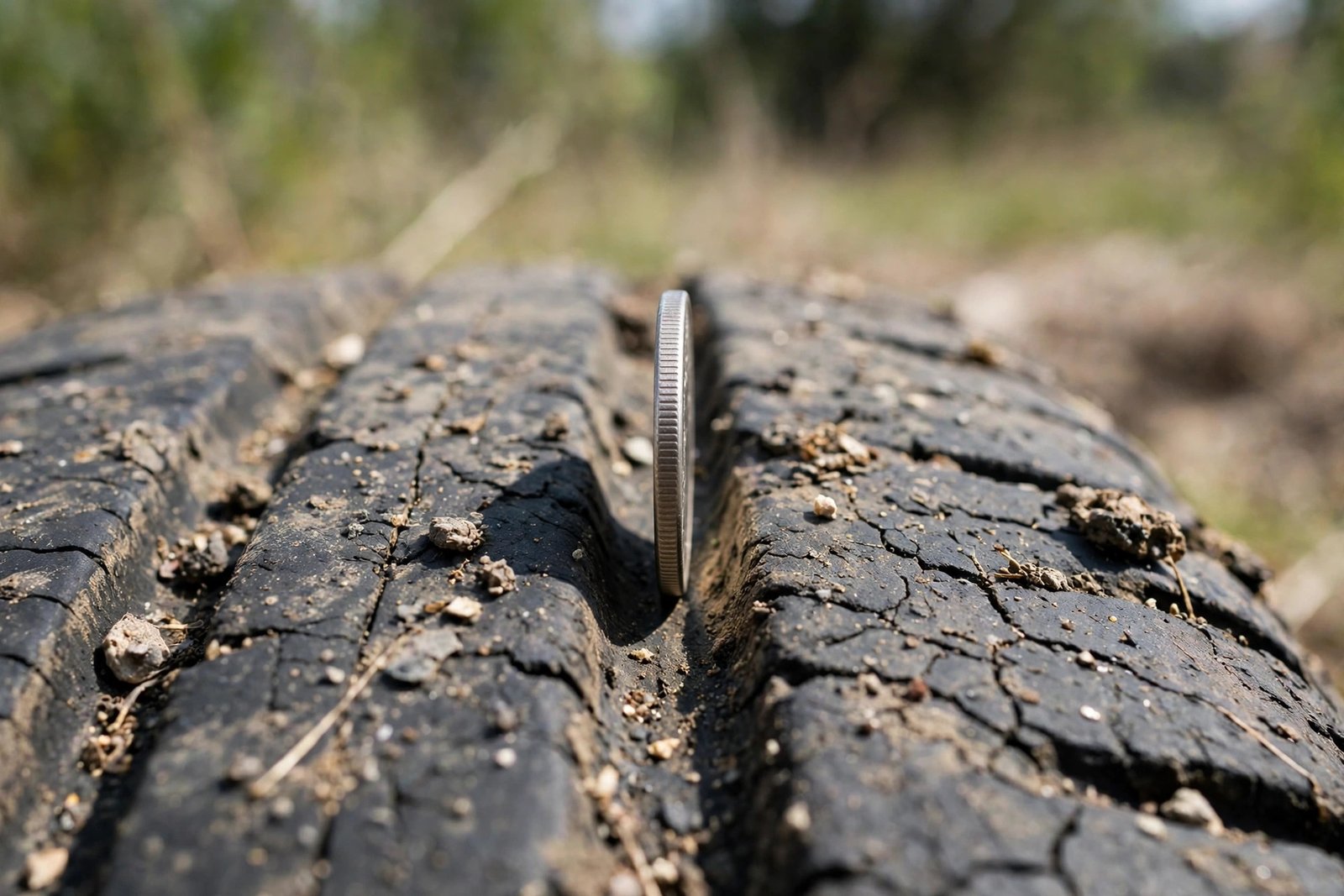
Almost everything a smart tire promises has a low-tech version that works today: check all four tires monthly with a gauge, cold, against the door placard — TPMS only warns at 25 percent low, so the gauge catches problems weeks earlier. Check tread depth regularly and look for uneven wear; see how to check tire tread depth and when to change tires. And keep TPMS itself healthy — a dead sensor gives no warnings at all. That covers the safety core of the smart tire promise; what you miss is the automation and the grip data.
Verdict: real technology, wrong year to wait for it
The smart tires pros and cons balance comes down to timing. The pros are real and, in the Pirelli braking test, now partly measured rather than merely claimed: earlier warnings, richer data, safety systems that know the road before they brake on it, and genuine fleet value. The cons are equally real and more immediate: no consumer product, no published price, sensor lifespans shorter than you would like, and repair, privacy, and standards questions unanswered.
Our verdict for 2026: do not wait for smart tires, and do not pay a premium for the label. If your next new car comes with a tire-intelligence system, treat it as a genuine safety bonus. If it does not, you are missing convenience, not safety — provided you keep checking your tires the old-fashioned way.
Frequently asked questions
Are smart tires worth it in 2026?
For most US drivers, smart tires are not something you can buy yet, so the question is really whether they are worth waiting for. The technology is real and the safety case is strong — tires that report tread depth, load, and road grip can warn you earlier than pressure-only TPMS and help braking systems react faster. But there is still no consumer aftermarket smart tire, so the practical answer is to keep your TPMS working and check your tires yourself until the technology reaches ordinary cars.
What is the biggest advantage of smart tires over TPMS?
TPMS only watches pressure, and under the US federal standard it only has to warn you once a tire is 25 percent or more below its recommended pressure. Smart tires watch much more: tread depth, temperature, load, and in some systems road friction. That means they can warn you about a worn tire, an overloaded tire, or a slippery road before pressure ever drops — and they can feed that information to braking and stability systems, not just to a dashboard light.
What are the disadvantages of smart tires?
The main disadvantages are cost, availability, and lifespan. Smart tires cost more than conventional tires, are barely available to regular drivers, and rely on sensors and batteries that live in a harsh environment and will eventually need replacing. There are also open questions about repairability, data privacy, and whether sensors from one maker will work with another maker’s car. And when the tire wears out, the sensor inside it goes with it.
Do smart tires replace TPMS?
No. Smart tires build on TPMS rather than replacing it. TPMS is required by US federal law on new light vehicles, and smart tire systems add extra sensing — tread, temperature, load, grip — on top of pressure monitoring. Your car will keep its TPMS even as smart tire technology arrives.
Are smart tires better for electric cars?
Electric cars stand to gain the most from smart tires. EVs are heavier than equivalent gas cars, deliver instant torque that wears tires faster, and lose driving range when rolling resistance rises — so knowing exact tire condition matters more, not less. That is why much of the smart tire development work, from Goodyear SightLine to Continental’s concepts, has been aimed at electric and autonomous vehicles. But the same availability problem applies: EV drivers cannot buy a consumer smart tire yet either.
Can I buy smart tires for my car today?
Not as a regular consumer in the US. Smart tire systems in 2026 are original-equipment fitment on a handful of expensive cars, such as the McLaren Artura with Pirelli Cyber Tyre, or fleet monitoring systems for trucks and buses. There is no smart tire you can order from a tire shop for a family sedan. What you can buy today is a working TPMS, a good tire pressure gauge, and regular tread checks — which together cover most of what smart tires promise, with more effort on your part.
