
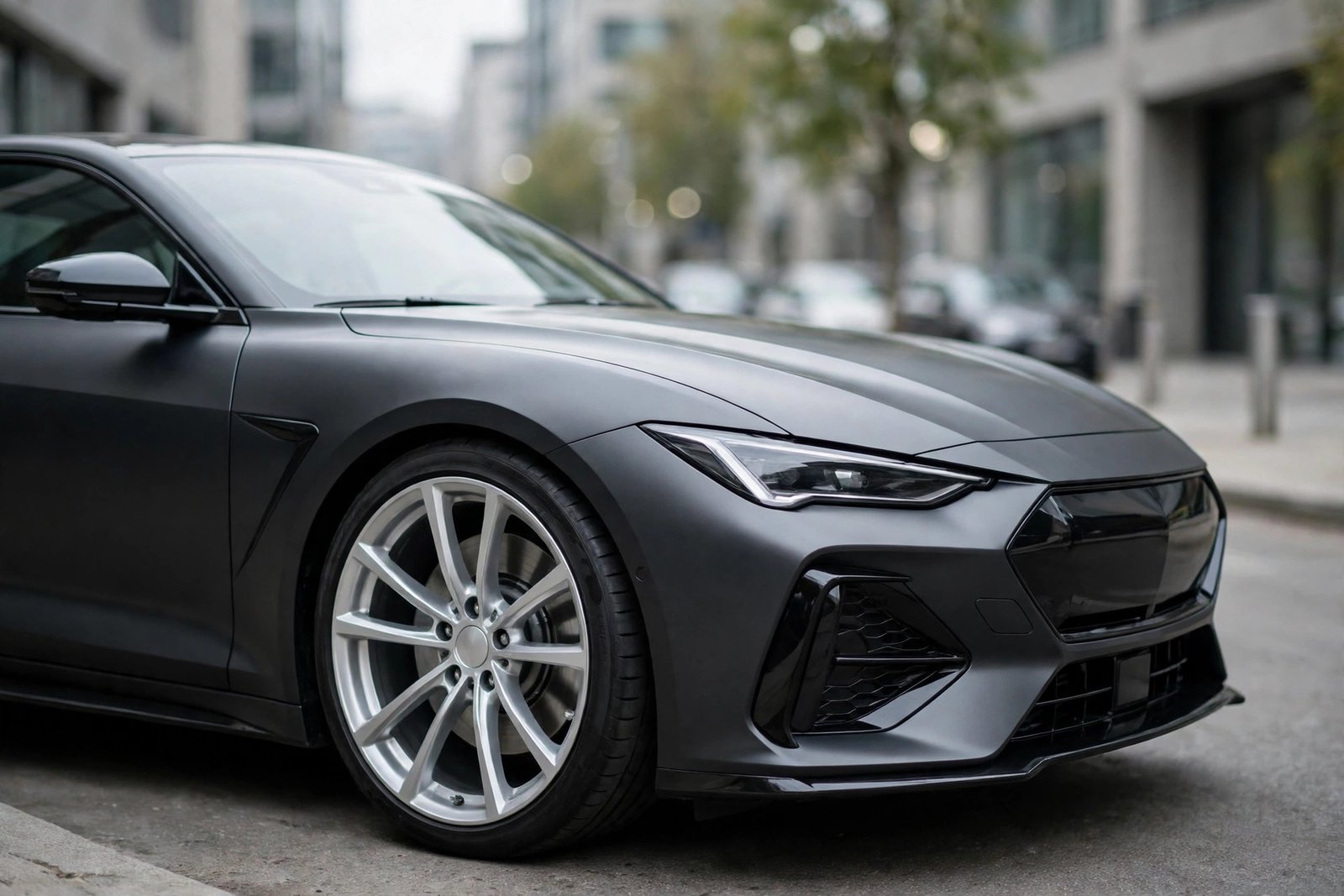
Quick answer: Low profile tires give you sharper steering, better cornering grip, and a sportier look — but you pay for it with a harsher ride, more road noise, higher replacement costs, and a much greater risk of pothole and curb damage. They are worth it on a sporty car driven on smooth roads. For a daily driver on rough roads, or a family car where comfort matters, taller tires are the smarter buy.
Walk through any parking lot in 2026 and you will notice it: big alloy wheels, thin strips of rubber, and barely any sidewall between the rim and the road. Low profile tires have gone from a sports-car feature to a common sight on sedans, crossovers, and even family SUVs. They look fast standing still — and that is exactly the point for a lot of buyers.
But looks are only half the story. A low profile tire changes how your car steers, rides, brakes, and survives potholes, and the trade-offs are bigger than most people expect. This guide lays out every real pro and con, explains what “low profile” actually means, and helps you decide whether they fit your car and your roads — before you spend money on wheels and tires you might regret.
What Is a Low Profile Tire?

A tire’s profile is its aspect ratio: the height of the sidewall expressed as a percentage of the tread width. You can read it straight off the sidewall. In a size like 225/45R17, the 45 is the aspect ratio — the sidewall is 45% as tall as the tire is wide. In 225/65R17, the sidewall is 65% of the width.
A tire is generally considered low profile when that number is 50 or below, meaning the sidewall height is half the tread width or less. Some guides draw the line at 55. Either way, the idea is the same: a short, stiff sidewall and a wide tread, usually wrapped around a larger wheel.
Here is what that looks like in real numbers. On a 225 mm wide tire:
| Tire size | Aspect ratio | Sidewall height | Profile |
|---|---|---|---|
| 225/65R17 | 65 | About 146 mm | Standard |
| 225/55R17 | 55 | About 124 mm | Borderline |
| 225/45R17 | 45 | About 101 mm | Low profile |
| 225/35R19 | 35 | About 79 mm | Very low profile |

That missing rubber is the whole story. A shorter sidewall flexes less, which sharpens handling — and it also cushions less, which is where most of the downsides come from. If tire sizes still confuse you, our guide to what tire numbers mean breaks down every marking on the sidewall.
The Pros of Low Profile Tires
1. Sharper handling and steering response

This is the real reason low profile tires exist. A tall sidewall squishes and rolls when you turn the wheel hard; a short, stiff sidewall barely moves. That means the steering feels more direct, the car changes direction faster, and the tire keeps a more consistent contact patch with the road mid-corner. On a twisty road or in a sudden swerve, the difference is easy to feel — the car feels planted and connected instead of soft and vague.
2. Better grip and braking on dry roads
Low profile tires are almost always wider than the standard tires they replace, so more rubber meets the road. A bigger contact patch means more grip when accelerating and cornering, and it can shorten braking distances on dry pavement. The larger wheel that comes with the package also leaves room for bigger brake discs and calipers, which is another reason performance cars wear them from the factory.
3. A sportier, more modern look
Nobody buys low profile tires purely for engineering. Big wheels and thin tires change a car’s whole stance — it looks lower, wider, and more expensive. For many drivers this is the main attraction, and it is a fair one: appearance is a legitimate reason to choose a tire, as long as you know what it costs in comfort and durability.
4. Lower rolling resistance (sometimes)
The stiff sidewall and simple tread patterns of many low profile tires create less rolling resistance, which can help fuel economy slightly. Treat this one with caution, though: the larger, heavier wheels they require can cancel out the saving, and on some cars the net effect on fuel use is close to zero.
5. Better stability at highway speed
Less sidewall flex also means the tire deforms less at sustained high speeds, which gives a more stable, confident feel on the highway. This matters most on performance cars; on an ordinary commute at ordinary speeds, the benefit is small.
The Cons of Low Profile Tires
1. A harsher, less comfortable ride
This is the downside every owner mentions first. A tire’s sidewall is part of your suspension — it absorbs small bumps, cracks, and expansion joints before they reach the cabin. Take most of it away and every imperfection comes through as a thump or a shudder. On smooth highways it is tolerable; on rough city streets or long trips, it gets tiring. Passengers notice it before the driver does.
2. Much higher risk of pothole and curb damage

With only a thin band of rubber protecting the rim, a pothole hit that a standard tire would shrug off can bend or crack an alloy wheel, pinch-cut the sidewall, or cause a bulge that means the tire is finished. Curb strikes are just as punishing: there is almost no sidewall to scrape before the rim itself takes the hit. This is the single most expensive downside, because one bad pothole can mean a new tire and a wheel repair. If your roads are rough, this con alone should decide the question.
3. More road noise
Stiff sidewalls and wide treads transmit more sound into the cabin, especially on coarse asphalt at highway speed. Drivers coming from quiet touring tires often find the extra hum and roar the most annoying day-to-day change — more than the firmer ride.
4. Higher cost — to buy and to keep buying
Low profile tires typically cost significantly more than standard tires in the same brand, and replacement costs can run 30–60% higher, according to tire guides. The larger wheels cost more too, and they are more expensive to repair or replace when damaged. It is a premium at purchase and a premium every time something goes wrong.
5. Faster wear and shorter tread life
Wider treads and softer performance compounds create more friction, so low profile tires usually wear out faster than standard tires. Reported tread life is often around 40,000 miles, though it varies widely by tire model, driving style, and alignment. A tire that costs more and lasts fewer miles is the worst combination for a household budget — check our guide to when to change your tires so you catch wear before it becomes a safety problem.
6. Poor in snow, ice, and standing water
Low profile tires are a bad match for winter. The wide tread is more likely to float on snow and slush instead of cutting through it, and the stiff sidewall flexes less, which reduces the grip winter driving depends on. The wider contact patch can also increase aquaplaning risk in heavy rain. If you get real winters, you need a dedicated set of winter tires with a taller profile — an all-season low profile tire is not a substitute. Our all-season vs winter tires guide explains where the line falls.
7. Faster air loss when punctured
Low profile tires do not necessarily puncture more often — road conditions matter more than profile alone — but when they do get a nail or a cut, they lose air faster because they hold less air to begin with. A slow leak can become a flat more quickly, so pressure checks matter even more. A tire pressure warning should never be ignored; if your tire pressure light keeps coming on, find the cause before it strands you.
8. Extra strain on suspension components
When the tire stops absorbing impacts, the suspension has to absorb them instead. Over time that means more wear on shocks, struts, bushings, and wheel bearings — especially if the car was not designed for low profile tires in the first place. Fitting them to a car that came with tall tires can also throw off the speedometer and handling if the overall diameter changes, so the new size has to match the original rolling diameter closely.
Low Profile vs Standard Tires at a Glance
| Factor | Low profile tires | Standard tires |
|---|---|---|
| Steering and handling | Sharper, more precise | Softer, more vague |
| Cornering grip (dry) | Better, wider contact patch | Good, narrower patch |
| Ride comfort | Harsh, every bump felt | Soft, cushioned |
| Road noise | Louder, especially on highways | Quieter |
| Pothole and curb damage | High risk, rim damage likely | Low risk, sidewall absorbs hits |
| Tread life | Usually shorter, around 40,000 miles | Usually longer |
| Replacement cost | 30–60% higher | Lower |
| Snow and ice | Poor | Better (with the right tire) |
| Looks | Sporty, modern | Plain, practical |
| Fuel economy | Slightly better rolling resistance, often offset by heavier wheels | Neutral |
Are Low Profile Tires Worth It?
It depends entirely on what you drive, where you drive, and what you care about. Use this as your decision guide:
Low profile tires are worth it if you:
- Drive a sporty car that came with them from the factory
- Spend most miles on smooth highways and well-kept roads
- Value sharp handling and appearance over comfort
- Can afford the higher tire and wheel-repair bills
- Run a second set of winter tires in cold months
Skip them if you:
- Drive daily on rough, potholed, or gravel roads
- Prioritize a quiet, comfortable ride — family cars, long commutes
- Want the lowest running costs and longest tread life
- Park tight against curbs every day
- Drive through real snow and ice on one set of tires
A sensible middle ground exists: a moderate profile such as a 55-series tire gives you some of the looks and handling benefit while keeping enough sidewall to survive real roads. And if your car did not come with low profile tires, think twice before switching — the factory size is the one the suspension, steering, and speedometer were tuned for.
Living With Low Profile Tires: 5 Tips
- Check pressures weekly. Low profile tires hold less air, so a small leak matters sooner. Use the pressure on the driver’s door-jamb placard for the factory size — and if you changed sizes, confirm the correct pressure with a tire professional instead of guessing.

- Slow down for potholes and speed bumps. You cannot dodge every hole, but speed is what turns a bump into a bent rim.
- Keep your distance from curbs. One scrape can gouge an alloy wheel that costs hundreds to repair.
- Stay on top of alignment and rotation. Uneven wear shows up faster on wide, stiff tires, and it shortens their already shorter life. If your car pulls to one side, read our guide to tire balancing vs alignment.
- Budget for shorter life. Plan on replacing them sooner than standard tires, and price the set — including the wheels — before you commit.
The Verdict
Low profile tires are not better or worse than standard tires in any absolute sense. They are a trade: precision and looks in exchange for comfort, durability, and money.
If you drive a performance car on good roads and you love how it feels and looks, that trade is worth making. If you drive a family car on rough roads and want quiet miles at the lowest cost, it is not — taller tires will serve you better every single day. The mistake is not choosing low profile tires; the mistake is choosing them for the looks without knowing what they cost in ride, noise, and repair bills. Now you know.
Frequently Asked Questions
What is a low profile tire?
A low profile tire has a short sidewall relative to its width. It is generally defined by an aspect ratio of 50 or below, meaning the sidewall height is half the tread width or less. A 225/45R17 tire, for example, is a low profile tire; a 225/65R17 is not.
Are low profile tires worth it?
They are worth it if you drive a sporty car on smooth roads and value sharp handling and looks. They are not worth it if comfort, pothole protection, and low running costs matter more — taller sidewalls ride softer, cost less, and survive bad roads better.
Do low profile tires wear out faster?
Usually, yes. Their wider tread and softer performance compounds create more friction, and the stiff sidewalls transmit more impact stress. Reported tread life is often around 40,000 miles, though it varies widely by tire model and driving style.
Are low profile tires bad in snow?
Yes, they are generally a poor choice for snow and ice. The wide tread can float on snow and slush, and the stiff sidewall flexes less, which reduces the grip winter driving needs. A higher-profile winter tire is the better option where winters are harsh.
Do low profile tires go flat more easily?
They do not automatically puncture more often, but they are more vulnerable to pothole and curb damage, and they lose air faster when punctured because they hold less air. Road conditions matter more than the profile alone.
What tire pressure do low profile tires need?
Always start with the pressure on your driver’s door-jamb placard or in your owner’s manual for the factory tire size. If you changed to a different size, the placard figure may no longer apply, so confirm the correct pressure with a tire professional. Some guides note low profile tires often run a few PSI higher than standard tires.