
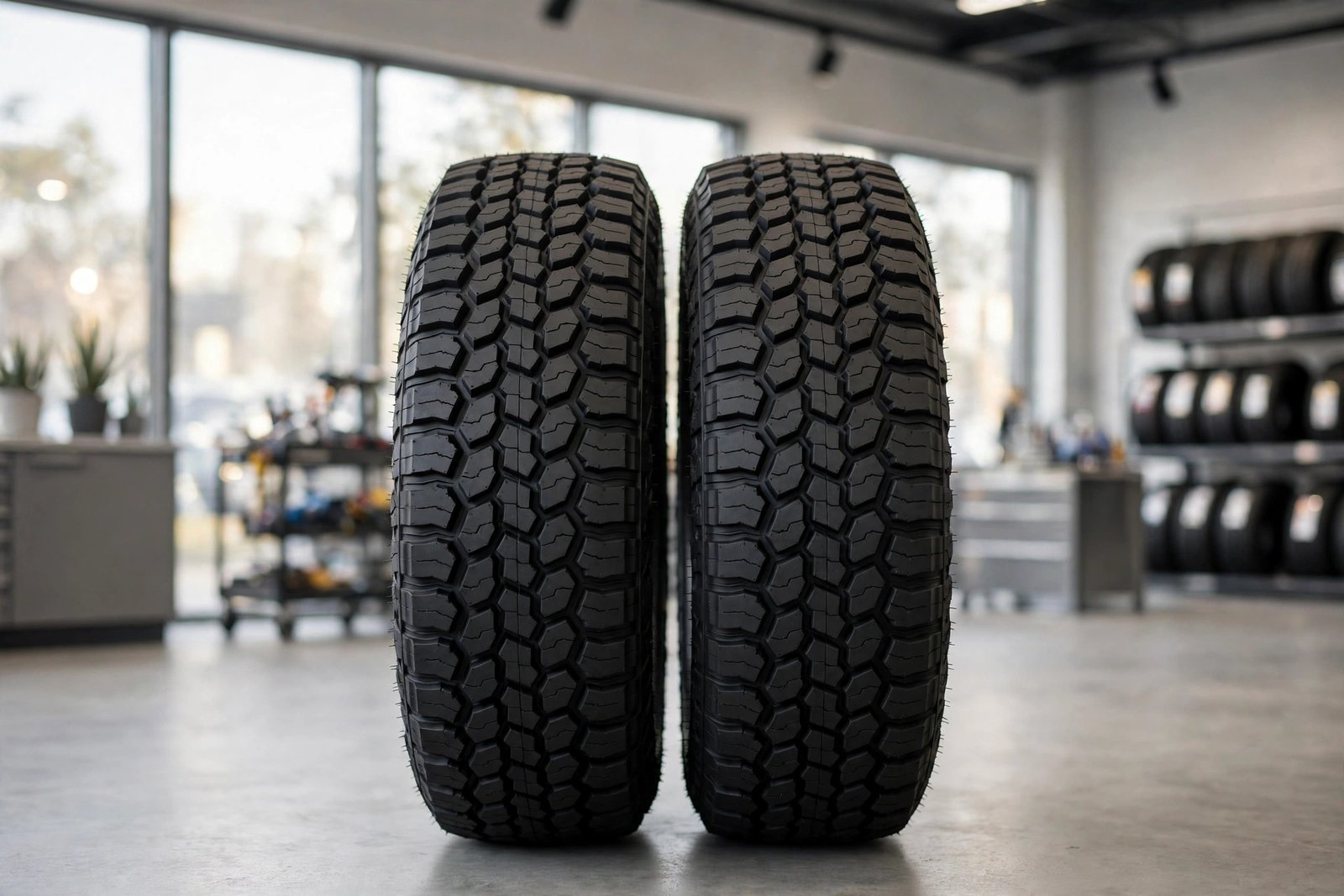
Quick answer: Falken is the better all-round pick for most drivers in 2026 — it wins the head-to-head test record, stops shorter in the wet, and wears longer in independent wear testing. Toyo is the better pick for truck and SUV owners who want maximum warranty miles and the quietest ride: the Open Country A/T III carries a 65,000-mile warranty against 55,000 for the Falken WildPeak A/T3W, and Toyo’s touring tires are famously smooth and quiet. Choose Falken for grip and value, Toyo for comfort and warranty length.
Falken and Toyo are the two Japanese brands that punch above their price. Neither charges Michelin or Bridgestone money, yet both regularly beat premium tires in independent tests — and both have loyal followings among very different drivers. Falken is the sporty one, born in 1983 as the high-performance line of Ohtsu Tire and now owned by Sumitomo Rubber Industries. Toyo is the older, quieter one, founded in Japan in 1945, building tires around comfort, durability, and long tread life.
That split personality is exactly what makes this comparison useful. These brands rarely fight over the same buyer: Falken courts drivers who want grip and handling for less money, while Toyo courts drivers who want a smooth, quiet tire that lasts a long time. But their lineups overlap in all-season touring, performance, and all-terrain tires — and in those overlaps, the test data picks a winner more often than not.
Every number in this article comes from published test aggregations and manufacturer warranty listings. Where the evidence is thin or the sources disagree, this guide says so instead of guessing. For the premium-brand rivalries, see our Michelin vs Bridgestone and Goodyear vs Michelin comparisons.
Falken vs Toyo at a Glance
| Falken | Toyo | |
|---|---|---|
| Founded | 1983, Japan (Ohtsu Tire) | 1945, Japan |
| Parent company | Sumitomo Rubber Industries | Toyo Tire Corporation (also owns Nitto) |
| Character | Sporty, grip-first, value performance | Comfort-first, quiet, long-lasting |
| Head-to-head test record | ZE310 8–2, FK520 5–2, AT4W 2–1 | Wins on comfort, rolling resistance, snow |
| Wet braking | Stronger (4.5% shorter, ZE310 vs Proxes Comfort) | Longer wet stops, better dry braking |
| All-terrain warranty | 55,000 miles (WildPeak A/T3W) | 65,000 miles (Open Country A/T III, P-metric) |
| Touring warranty | 65,000 miles (Ziex ZE950 A/S) | 75,000 miles (Extensa A/S II, T/H-rated) |
| Performance warranty | 50,000 miles (Azenis FK460 A/S) | 50,000 miles (Proxes Sport A/S+) |
| Best for | Wet grip, handling, value | Quiet ride, long warranty, snow |
What the Head-to-Head Tests Actually Say
Unlike brand comparisons built on a single magazine test, the Falken vs Toyo picture comes from repeated model-level matchups in European independent testing — and Falken wins most of them.
Ziex ZE310 EcoRun vs Proxes Comfort (12 shared tests): Falken 8–2. In the 12 independent tests that ran both summer touring tires, the Falken finished ahead 8 times and the Toyo twice, with 2 level. The Falken stopped 4.5% shorter in the wet and won 10 of 12 wet-braking comparisons, with a 5–23% advantage in aquaplaning resistance. The Toyo countered with 4% lower rolling resistance and shorter dry braking in most tests. The verdict from the test data: Falken for mixed-weather driving and rain, Toyo for dry, urban, or highway use where quiet and fuel efficiency matter most.
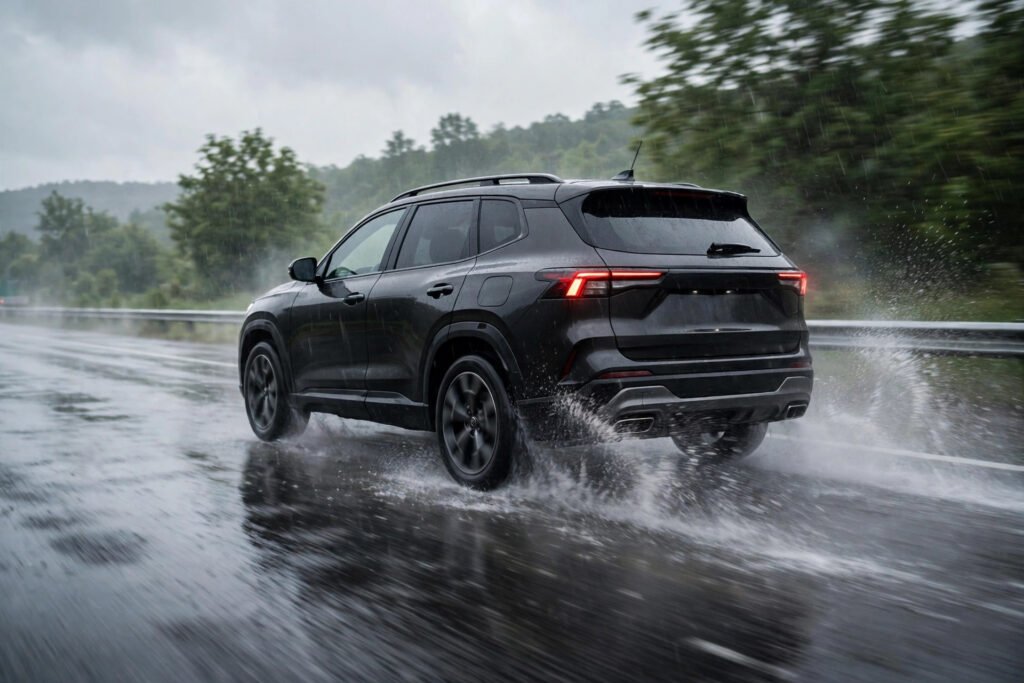
Azenis FK520 vs Proxes Sport 2 (8 shared tests): Falken 5–2. The Falken finished ahead 5 times and the Toyo twice, with one level. The headline number is wear: the FK520 lasted 33.3% longer in wear testing — in one 2026 test, a projected 52,080 km against 38,420 km for the Toyo. The Toyo fought back with sharper dry handling and stronger curved-aquaplaning grip. The verdict: Falken for high-mileage drivers who want lower cost per mile, Toyo for drivers who prioritize handling sharpness and will accept shorter tread life.
Wildpeak AT4W vs Open Country AT III (3 shared tests): Falken 2–1. Falken’s newer all-terrain tire finished ahead twice and the Toyo once. The AT4W stopped about 5% shorter on ice and about 5.5% shorter in wet braking, with better aquaplaning resistance and lower noise. The Toyo stopped 6.3% shorter on snow and won on snow handling. On Tyre Reviews’ overall score, which weighs every test and review held, the AT4W scored 8.3 out of 10 against 6.1 for the Toyo — though owners rated the Toyo slightly higher, 81% against 78%.
The pattern is consistent: Falken wins on wet safety and wear, Toyo wins on dry handling feel, snow, and comfort. Neither brand sweeps the other — but Falken wins more often.
All-Terrain Showdown: WildPeak A/T3W vs Open Country A/T III
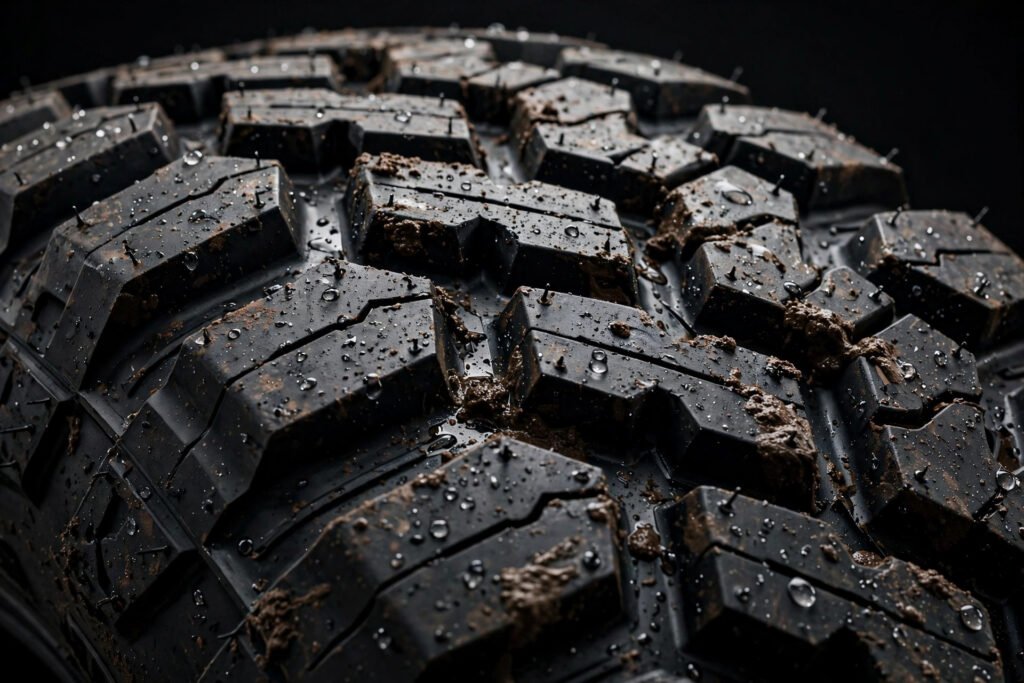
This is the matchup that drives most Falken vs Toyo searches, because both tires are legends among truck and SUV owners. The WildPeak A/T3W is Falken’s flagship all-terrain tire — the “3W” stands for wet, winter, and wear — while the Open Country A/T III is Toyo’s flagship all-terrain tire for trucks and full-size SUVs.
| Falken WildPeak A/T3W | Toyo Open Country A/T III | |
|---|---|---|
| Treadwear warranty | 55,000 miles | 65,000 miles (P-metric); 50,000 miles (LT/flotation) |
| Three-peak mountain snowflake | Yes | Yes |
| Tread depth | Up to 19/32 in. (deepest in class) | About 15/32 in. average |
| Sizes available | About 75 (15–22 in.) | About 148 (15–22 in.) |
| Average weight | About 55.4 lbs | About 48.1 lbs |
| UTQG treadwear | 540 | Not published (LT sizes) |
| Best at | Wet grip, deep tread, off-road bite | Warranty length, snow, lighter weight |
Both tires carry the three-peak mountain snowflake symbol, certifying them for severe snow service — a genuine credential, not a marketing badge. Both use silica-reinforced compounds for chip and cut resistance. The differences are in emphasis: the Falken’s deeper tread (up to 19/32 inch, the deepest in the category) gives it an edge in mud, loose dirt, and water evacuation, while the Toyo’s lighter construction and longer warranty give it an edge in fuel efficiency and cost per mile.
The warranty gap deserves a careful read. The Toyo’s 65,000-mile warranty applies to P-metric (passenger-vehicle) sizes; LT and flotation sizes — the ones most heavy-duty truck owners actually buy — carry a 50,000-mile warranty, which is 5,000 miles less than the Falken’s 55,000. So the Toyo wins the warranty comparison for SUV and crossover owners, but the Falken wins it for heavy-duty truck owners. Check the warranty for your exact size before you buy.
On the road, reviewers describe the Falken as slightly better in the wet and the Toyo as slightly better in snow, which matches the AT4W test data above. Owners of both tires report real-world tread life in the 45,000–70,000 mile range with proper rotation.
Performance Tires: Azenis vs Proxes
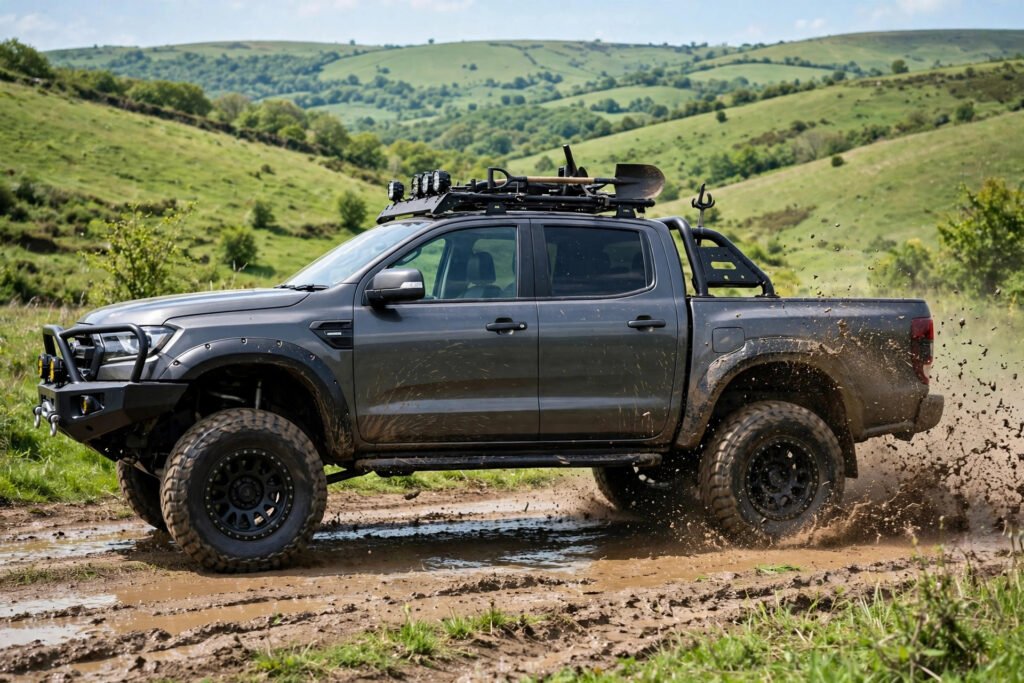
Falken’s Azenis line is its performance flagship, and Toyo’s Proxes line is the equivalent. The current all-season matchup is a dead heat on paper:
| Falken Azenis FK460 A/S | Toyo Proxes Sport A/S+ | |
|---|---|---|
| Treadwear warranty | 50,000 miles | 50,000 miles |
| Type | Ultra-high-performance all-season | Ultra-high-performance all-season |
| Extras | Road Hazard Protection, 30-day ride guarantee | 500-mile/45-day trial (on some lines) |
| Best at | Wet grip, braking, wear | Dry handling, steering feel |
Both tires carry a 50,000-mile warranty, and independent scoring puts them within a fraction of each other on traction and longevity. The FK520 summer tire’s 33.3% wear advantage over the Proxes Sport 2, noted above, is the strongest evidence in this class — but it applies to the summer FK520, not the all-season FK460, so do not stretch it further than it goes.
For sporty drivers, the practical difference is feel: Toyo’s Proxes tires are consistently described as sharper and more athletic in dry handling, with more confident turn-in, while Falken’s Azenis tires are described as stronger under braking with better wet-weather composure. If you drive a sports sedan and love twisty roads, test-drive the Toyo first. If your sporty driving happens in all weather, the Falken is the safer bet.
Touring and Daily Driving: Extensa vs Ziex
For ordinary sedans, crossovers, and minivans, the touring matchup favors Toyo on paper and Falken on wet roads.
Toyo Extensa A/S II. Toyo’s value touring tire carries a 75,000-mile treadwear warranty on T- and H-rated sizes (65,000 miles on V-rated), per Tire Rack’s warranty listing. It is a grand touring all-season tire built for long tread life and a comfortable ride, and in Tire Rack testing it was evaluated against category benchmarks on a Subaru BRZ. Prices are modest — listings typically start around $72 per tire in small sizes — making it one of the best value-per-mile touring tires on the market.
Falken Ziex ZE950 A/S. Falken’s performance all-season touring tire carries a 65,000-mile warranty and is built around a silica tread compound designed to stay flexible in cold weather. It trades some of the Toyo’s outright longevity for sharper handling and stronger wet grip — the same trade Falken makes across its whole lineup.
| Touring tire | Treadwear warranty | Character |
|---|---|---|
| Toyo Extensa A/S II (T/H-rated) | 75,000 miles | Long life, quiet, comfortable |
| Falken Ziex ZE950 A/S | 65,000 miles | Sporty handling, strong wet grip |
If your priority is maximum miles per dollar on a commuter car, the Toyo’s 10,000-mile warranty advantage is hard to ignore. If your priority is feeling confident in the rain on your commute, the Falken’s wet-braking record — 4.5% shorter stops in the ZE310 comparison — is equally hard to ignore. There is no wrong answer here, only a different priority.
Snow, Comfort, and Noise
Snow is Toyo’s best ground against Falken. The Open Country A/T III stopped 6.3% shorter on snow than the Wildpeak AT4W and won the snow-handling comparisons, and Toyo’s winter tires have a strong reputation of their own. Falken’s all-terrain tires counter with better ice braking — the AT4W stopped about 5% shorter on ice — and both brands’ all-terrain tires carry the three-peak mountain snowflake symbol. For deep, unplowed snow, the Toyo is the more reassuring choice; for icy roads and mixed winter conditions, the Falken holds its own.
Comfort and noise go to Toyo more clearly. Toyo designs around a smooth, quiet ride, and it shows: the Proxes Comfort posted about 4% lower rolling resistance than the Falken ZE310, and reviewers consistently describe Toyo tires as calm and quiet on the highway. Falken tires are not loud — the AT4W was actually rated quieter than the Open Country A/T III in their head-to-head — but across the touring and performance classes, Toyo is the comfort pick.
Price and Value
Both brands sit in the value tier below Michelin, Bridgestone, and Continental, and both are priced accordingly. Falken is usually the cheaper of the two in like-for-like sizes, and its longer wear in independent testing makes its cost per mile particularly strong — the FK520’s 33.3% wear advantage over the Proxes Sport 2 is the clearest example. Toyo counters with longer warranties on touring and P-metric all-terrain sizes, which is its own kind of value: a warranty is a promise you can claim.
The honest way to compare prices is the total installed price for four tires in your exact size, from Tire Rack, Discount Tire, or SimpleTire — mounting, balancing, and disposal fees can erase an online bargain.
If you are still learning how tire sizes and ratings work, read our guide to what tire numbers mean before you order, and our guide to when to change your tires so you know when your current set is done.
Pros and Cons
Falken
Pros: Wins most head-to-head tests (8–2, 5–2, 2–1); strongest wet braking and aquaplaning resistance; 33.3% longer wear than Toyo in performance-tire testing; deepest all-terrain tread in its class; usually the cheaper tire; sporty handling and braking.
Cons: Shorter all-terrain warranty (55,000 vs 65,000 miles on P-metric sizes); weaker in snow than Toyo; slightly higher rolling resistance; less quiet on the highway in touring classes.
Toyo
Pros: Longest warranties in this comparison (75,000 miles touring, 65,000 miles P-metric all-terrain); best snow performance; quietest, smoothest ride; lowest rolling resistance; widest all-terrain size range (about 148 sizes); higher owner rating on the all-terrain head-to-head (81% vs 78%).
Cons: Loses most head-to-head tests; longer wet braking distances; shorter wear in performance-tire testing; LT-size all-terrain warranty drops to 50,000 miles; dry-handling sharpness comes with a wear penalty.
Which Should You Buy?
- Daily commuter, rain, mixed weather: Falken. The wet-braking edge and lower price are built for you — look at the Ziex ZE950 A/S or the Sincera line for touring.
- High-mileage highway driver, quiet matters: Toyo. The Extensa A/S II’s 75,000-mile warranty and smooth, quiet ride are hard to beat for the money.
- Truck or SUV, pavement plus trails: Falken WildPeak A/T3W for rain and mud, Toyo Open Country A/T III for snow and highway miles. Check the warranty for your exact size — it flips the winner on LT sizes.
- Sporty sedan, twisty roads: Toyo Proxes for dry handling feel, Falken Azenis for all-weather braking and longer wear.
- Winter priority: Toyo, for its snow-braking and snow-handling edge — but for heavy snow, a dedicated winter tire from either brand still beats any all-season or all-terrain tire. Our all-season vs winter tires guide explains the trade-off.
The Verdict
Falken vs Toyo is a closer fight than the test record suggests, because the two brands are optimized for different things. Falken is the better brand for most drivers in 2026: it wins the head-to-head tests, stops shorter in the wet, lasts longer in wear testing, and usually costs less. If you want the tire that performs best across the widest range of conditions, buy Falken.
Toyo is the better brand for a specific driver: the one who values a quiet cabin, a long warranty, and snow confidence above outright grip. The Extensa A/S II’s 75,000-mile warranty and the Open Country A/T III’s snow performance are genuine advantages that no test-score table can erase. If that driver is you, buy Toyo without hesitation.
Either way, buy four matching tires, keep them inflated, and rotate them on schedule. And remember that both brands sit a tier below the premium leaders on price for a reason — if you want the absolute best test performance money can buy, read our Michelin vs Bridgestone comparison before you decide.
Frequently Asked Questions
Which is better, Falken or Toyo tires?
It depends on what you drive. Falken wins most head-to-head tests — its Ziex ZE310 beat the Toyo Proxes Comfort 8-2 across 12 tests, and its Azenis FK520 beat the Toyo Proxes Sport 2 5-2 — with stronger wet braking and longer wear. Toyo wins on warranty length for all-terrain tires and on quiet comfort. For most drivers, Falken is the better all-round pick; for truck owners who want maximum warranty miles, Toyo edges ahead.
Is the Falken WildPeak A/T3W better than the Toyo Open Country A/T III?
For road-first use, yes. The WildPeak A/T3W has stronger wet braking and a lower price, and its successor, the Wildpeak AT4W, beat the Open Country A/T III 2-1 in shared tests. But the Toyo carries a longer warranty — 65,000 miles on P-metric sizes versus 55,000 for the Falken — and stops shorter in snow, so it is the better pick for regular winter use.
Do Toyo tires last longer than Falken tires?
On warranty paper, Toyo usually does: the Open Country A/T III carries up to 65,000 miles against 55,000 for the WildPeak A/T3W, and the Extensa A/S II carries up to 75,000 miles. But in independent wear testing, Falken’s Azenis FK520 lasted 33.3% longer than the Toyo Proxes Sport 2, so real-world wear depends on the specific tire models being compared.
Are Falken tires good in the rain?
Yes — wet grip is Falken’s biggest strength against Toyo. The Ziex ZE310 EcoRun stopped 4.5% shorter in the wet than the Toyo Proxes Comfort across 12 shared tests, winning 10 of 12 wet-braking comparisons, and the Wildpeak AT4W also posted about 5.5% shorter wet braking than the Toyo Open Country A/T III.
Are Toyo tires quieter than Falken tires?
Generally, yes. Toyo builds its tires around comfort and low noise — the Proxes Comfort beat the Falken Ziex ZE310 on rolling resistance by about 4%, and reviewers consistently describe Toyo tires as smooth and quiet on the highway. Falken trades a little quiet for sharper handling and stronger wet grip.
Are Falken and Toyo tires made in Japan?
Both brands are Japanese in origin. Toyo Tire Corporation was founded in Japan in 1945 and is based in Itami, Hyogo. Falken was founded in Japan in 1983 by Ohtsu Tire and is now owned by Sumitomo Rubber Industries. Both brands also manufacture tires in the United States and other countries.
