
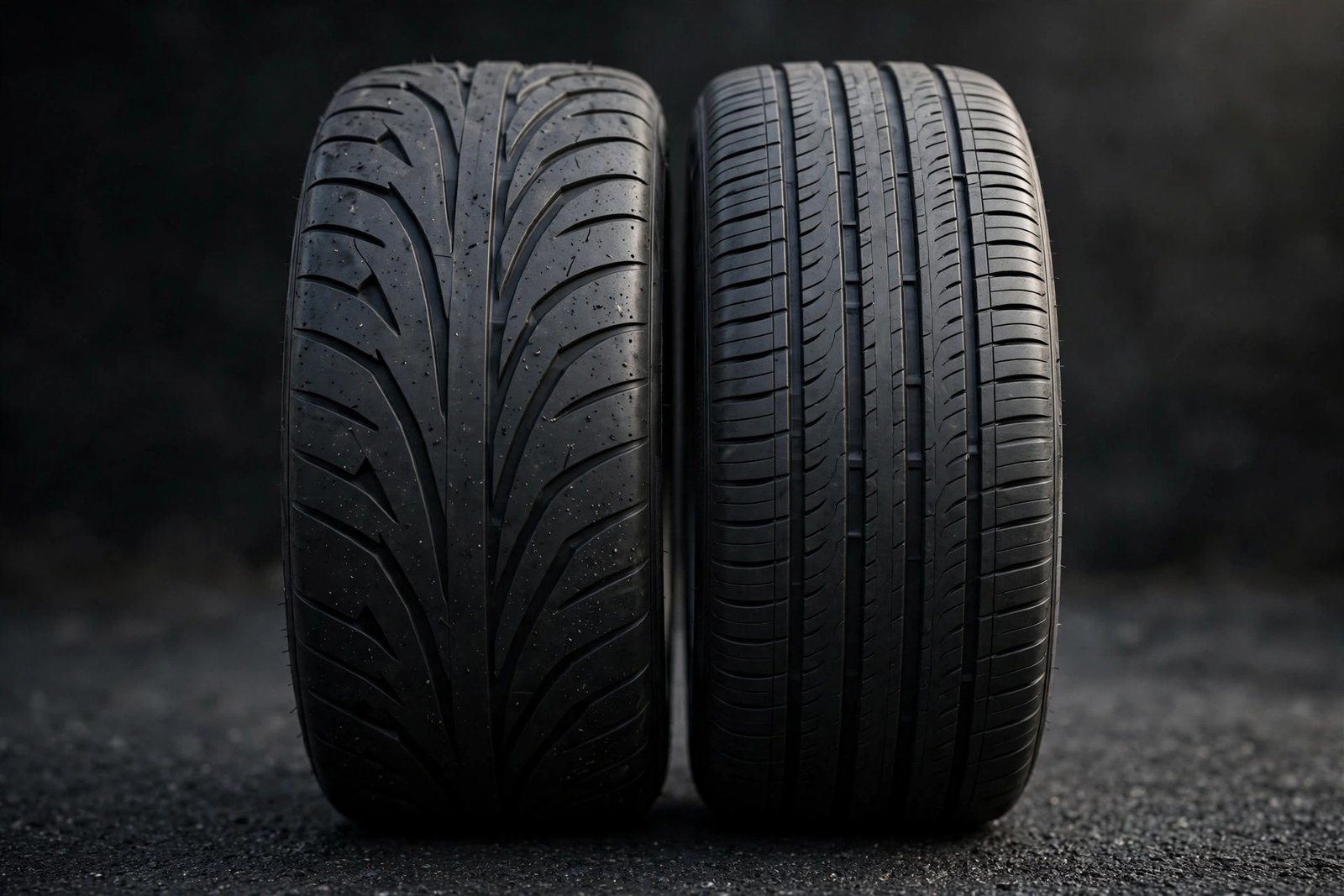
Quick answer: Michelin is the better all-round choice for most drivers. It wins more independent tests, lasts longer, stops shorter in the wet, and performs better in winter. Pirelli is the better pick if you want sharper handling, a sportier feel, or a lower upfront price — and in some all-season matchups, such as the Pirelli P Zero AS Plus 3 beating the Michelin Pilot Sport All Season 4 in Tire Rack’s 2024 test, Pirelli wins outright. For most daily drivers, buy Michelin. For driving enjoyment on a sports car or luxury sedan, Pirelli deserves a serious look.
Pirelli vs Michelin is an argument that never really ends — and for good reason. Both are premium brands, both charge premium prices, and both make genuinely excellent tires.
So the real question is not “which brand is good?” It is “which brand is good for you?” A commuter doing 15,000 miles a year needs something very different from a weekend sports car driver, or a family in Minnesota running an SUV through winter.
This guide answers that question with test data, not marketing — mainly Tyre Reviews, which tracks hundreds of professional tests where both brands were entered, plus Tire Rack’s independent testing. Where the data is close, we will say so. Where one brand clearly wins, we will say that too.
Pirelli vs Michelin at a Glance
| Michelin | Pirelli | |
|---|---|---|
| Best for | Daily driving, long tread life, wet safety, winter | Sporty handling, driver feel, luxury/sports cars |
| Head-to-head test record | 225 wins in 376 shared tests | 144 wins, 7 draws |
| Owner rating | 8.1 out of 10 (4,098 reviews) | 7.2 out of 10 (2,407 reviews) |
| Tread life (wear tests) | 50,158 km (~31,170 miles) | 38,968 km (~24,210 miles) |
| Wet braking | 39.42 m average | 39.72 m average |
| Snow braking | 22.63 m average | 23.59 m average |
| Rolling resistance | 7.73 kg/t | 8.17 kg/t |
| Price | About 12.5% more on average | Cheaper in 105 of 119 comparisons |
| Founded | 1889, France | 1872, Italy |
| Motorsport home | Le Mans, Formula E | Formula 1 (sole supplier since 2011) |
Sources: Tyre Reviews brand comparison, updated November 2026; see the Tyre Reviews Michelin vs Pirelli comparison.
Two Brands, Two Very Different Philosophies
Understanding the brands helps explain almost everything that follows.
Michelin was founded in France in 1889 and invented the radial tire in 1946. Its philosophy is “Total Performance”: a tire should not be brilliant at one thing and poor at another. Safety, longevity, comfort, and efficiency all matter at the same time, so Michelin tires tend to feel balanced and dependable rather than dramatic.
Pirelli was founded in Milan in 1872, making it the older company. Its identity is built around excitement and performance. Since 2011, Pirelli has been the sole tire supplier for Formula 1, and its road tires borrow heavily from that program. Ferrari, Lamborghini, Bentley, and Aston Martin all use Pirelli as original equipment on many models. Pirelli tires are engineered to feel alive — sharp steering, strong feedback, and confidence at the limit.
Neither philosophy is wrong. Michelin builds the tire you forget about because it just works. Pirelli builds the tire you notice because it makes driving more fun.
What the Test Data Actually Says
Brand loyalty is loud. Test data is quieter, and more useful. Tyre Reviews tracks every professional test in which both brands fielded a tire, and the sample is now large enough to trust: 376 shared tests, updated in November 2026.
Michelin finished ahead in 225 of those tests, Pirelli in 144, with 7 draws. Michelin’s average finish was also higher — it beat 73.6% of the field in a typical test, versus 63.4% for Pirelli. In the last five years, Michelin still leads, 75 to 60 across 141 shared tests.
The gap varies by season. Michelin dominates winter testing, 90 to 40 across 133 tests. In summer it is much closer — 95 to 82 across 181 tests — where Pirelli’s handling strength shows up. In all-season testing, Michelin leads again, 37 to 20 across 57 tests.
Owners agree with the testers. Across 6,505 owner reviews, Michelin averages 8.1 out of 10 and Pirelli 7.2, with the biggest gaps in wear (8.0 vs 7.0), wet grip (8.2 vs 7.2), and “would buy again” (7.7 vs 6.3). Pirelli’s best owner score is dry grip at 8.2 — good, but still behind Michelin’s 8.7.
The honest summary: Michelin is the more consistent performer. Pirelli is a genuine rival, but it wins less often — and when it wins, it is usually on feel and handling rather than on the safety numbers.
Wet and Dry Grip: Michelin’s Safety Edge, Pirelli’s Feel
Wet braking matters most in an emergency, and here Michelin leads: 39.42 m on average versus 39.72 m for Pirelli, winning 104 of 204 wet-braking comparisons. The gap is only about a foot, but in a real emergency stop, a foot can matter.

Dry braking is effectively a tie at brand level: 37.99 m for Michelin versus 38.13 m for Pirelli on average, with Pirelli winning slightly more of the individual comparisons. Do not choose between these brands on dry braking alone. You will not feel the difference.
Where Pirelli pulls ahead is handling — how the tire feels when you are already moving through a corner. Pirelli leads wet handling on both lap time (76.17 seconds vs 77.06) and speed, and dry handling on lap time as well, and testers rate it higher on subjective handling. In plain English: Michelin stops shorter, Pirelli corners with more feedback and confidence.
That split shows up clearly in the flagship summer matchup. In reported testing, the Michelin Pilot Sport 4S stopped in 32.7 m dry and 33.5 m wet, versus 33.0 m dry and 35.6 m wet for the Pirelli P Zero PZ4. That 2.1-meter wet-braking gap is significant at highway speed. Yet many drivers still prefer the P Zero, describing it as more accessible and forgiving at the limit. The Michelin is safer. The Pirelli is more fun — that trade-off is the whole debate in miniature. For how the numbers translate into daily driving, read our Michelin Pilot Sport 5 review and our Continental ExtremeContact DWS06 Plus review.
Tread Life and Value: Where Michelin Earns Its Price
This is the category that decides the value argument, and Michelin wins it decisively.
In wear testing, Michelin tires lasted an average of 50,158 km (about 31,170 miles) before wearing out, versus 38,968 km (about 24,210 miles) for Pirelli — a gap of roughly 29%. Michelin won 41 of 43 wear tests, and owners rate Michelin 8.0 out of 10 for wear versus 7.0 for Pirelli.
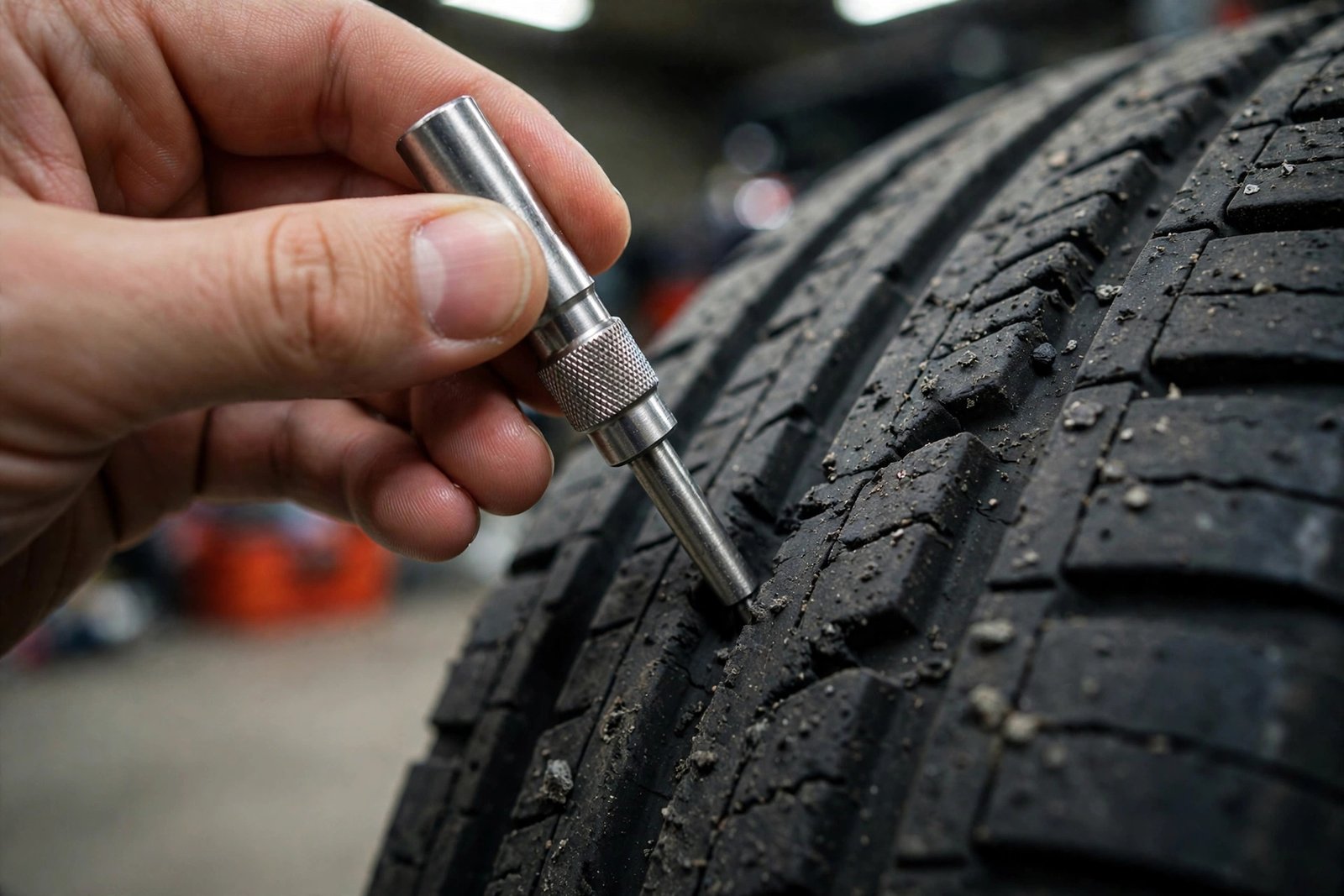
The warranties tell the same story. The Michelin Defender 2 carries an 80,000-mile treadwear warranty and a UTQG treadwear rating of 840; Michelin’s own testing claims it outlasted three leading competitors by more than 25,000 miles. The Pirelli P7 All Season Plus 3 carries a 70,000-mile warranty and a UTQG rating of 740 — respectable, but a step behind.
Pirelli’s counterargument is price: it was cheaper in 105 of 119 comparisons, and Michelin cost about 12.5% more on average. So Michelin costs more at the tire shop but lasts roughly a quarter to a third longer in testing. For a high-mileage driver, Michelin usually works out cheaper per mile. For a driver who sells the car in three years or drives low annual mileage, Pirelli’s lower upfront price can be the smarter buy — you may never use the extra life Michelin offers. Divide the price of a set by its treadwear warranty to get the cost-per-mile number that matters. If you are shopping on a tight budget, our best budget tires guide covers cheaper options that still perform safely.

Winter Performance: Michelin Pulls Away
Michelin leads winter testing by a wide margin: 90 wins to 40 across 133 shared winter tests. In snow braking, Michelin averaged 22.63 m versus 23.59 m for Pirelli, winning 87 of 107 snow-braking comparisons. A larger share of Michelin’s current range — 43% versus 34% for Pirelli — carries the Three-Peak Mountain Snowflake (3PMSF) symbol for severe snow service.

The best-known example is the Michelin CrossClimate2, an all-weather tire with 3PMSF certification that finished second overall in Tire Rack’s all-weather test, with the best wet braking in the group. Pirelli’s rival, the Cinturato WeatherActive, actually won that test overall on dry performance and lower price — a reminder that “better in winter” at brand level does not mean Michelin wins every matchup. One caution applies to both brands: no all-season or all-weather tire matches a dedicated winter tire in deep snow and ice. If you face months of real winter, read our all-season vs winter tires guide and consider a dedicated winter set.
Comfort and Noise: Closer Than You Would Expect
Both brands sell foam-inside-the-tire noise reduction: Michelin’s Acoustic Technology and Pirelli’s Noise Cancelling System (PNCS) both use a polyurethane foam layer bonded inside the tire to absorb vibration. Michelin claims its system can cut interior noise by up to 20%.
In measured testing, the difference is tiny: Michelin averaged 70.71 dB versus 70.92 dB for Pirelli. Owners rate Michelin more comfortable (8.1 vs 7.2 out of 10). But the gap depends on the model: in the ultra-high-performance all-season matchup, the Pirelli P Zero AS Plus 3 was actually the quieter tire — 62.6 dB versus 63.7 dB for the Michelin Pilot Sport All Season 4 — and testers rated it smoother overall. Check the noise and comfort scores for the specific tire in your size. The brand average is nearly a tie; the model matters more.
All-Season Showdown: The Matchup Where Pirelli Wins
Brand averages hide the matchups that matter, and the most important one for American buyers is the ultra-high-performance all-season category — the tires most sports sedans and performance crossovers actually wear.
In the two independent tests that ran both tires, the Pirelli P Zero AS Plus 3 beat the Michelin Pilot Sport All Season 4 twice. Tire Rack’s 2024 UHP all-season test ranked the Pirelli first of nine tires, with the Michelin fourth. The Pirelli was quieter, smoother, and more balanced in handling.
Michelin still stopped shorter in dry braking (35.63 m vs 37.85 m in one test; 34.44 m vs 34.75 m in the other) and wet braking (24.86 m vs 26.75 m; 39.62 m vs 41.45 m), and did better in Tire Rack’s snow metrics. Same trade-off as ever, winner flipped: Pirelli for the best all-round driving experience, Michelin for the shortest emergency stops. Full details are in the Tire Reviews Pilot Sport All Season 4 vs P Zero AS Plus 3 comparison.
SUVs, Trucks, and EVs
Both brands cover SUVs and trucks well, but they aim at different owners. Michelin’s Defender LTX M/S2 is the go-to for full-size trucks and heavy-duty SUVs, handling towing loads and high torque without squirm. Pirelli’s Scorpion AS Plus 3 is consistently rated one of the most comfortable SUV tires, especially for unibody crossovers where ride quality matters more than payload.
Electric vehicles change the priorities: EVs weigh 20–30% more than equivalent gas cars and deliver instant torque, so tires wear faster. Michelin’s EV designs focus on low rolling resistance, which matters for range — Michelin averaged 7.73 kg/t versus 8.17 kg/t for Pirelli, winning 106 of 140 comparisons. Pirelli’s ELECT-marked tires focus on load capacity, instant-torque grip, and cabin quietness. For most EV drivers, Michelin’s efficiency edge matters more; Pirelli’s grip matters more if you drive a performance EV hard.
Run-Flat and Puncture Protection
Both brands offer self-sealing and run-flat options, and both work the same way in principle. Michelin’s Selfseal fills punctures up to 6 mm instantly, and its Zero Pressure (ZP) run-flat tires let you drive up to 50 miles at 50 mph after a total loss of pressure. Pirelli’s Seal Inside works on the same self-sealing principle, and its Run Flat system is built for the extra weight and torque of EVs and heavy luxury cars.
One trade-off to know: Pirelli’s run-flat tires tend to ride stiffer, which improves emergency steering precision but can make daily driving less comfortable. Michelin’s run-flat sidewalls generally feel more compliant. Before buying any tire, it is also worth knowing what tire numbers mean so the size and speed rating on the sidewall match your car.
Which Should You Buy?
Find your situation, then check the specific tire model in your size — the model matters as much as the brand.
| Your situation | Buy this |
|---|---|
| Daily commuter, high annual mileage | Michelin — longest life, lowest cost per mile |
| Family car, safety first | Michelin — best wet braking and winter performance |
| Rainy climate (Pacific Northwest, Florida, Gulf Coast) | Michelin — wet braking and aquaplaning edge |
| Snow Belt winters, one set of tires year-round | Michelin CrossClimate2 — best wet + winter balance |
| Sports car, weekend fun, dry roads | Pirelli P Zero — sharper feel, more engaging |
| Luxury sedan, OEM fitment | Pirelli — often the factory tire, tuned for the car |
| Performance all-season, best all-round experience | Pirelli P Zero AS Plus 3 — won Tire Rack’s 2024 test |
| Performance all-season, shortest stopping distances | Michelin Pilot Sport All Season 4 — best braking |
| Tight budget, selling the car in a few years | Pirelli — lower upfront price, may be all you need |
| EV, range matters most | Michelin — lower rolling resistance |
Still deciding? Our Michelin vs Bridgestone tires and Goodyear vs Michelin tires comparisons use the same test-data approach. Whatever you buy, our guide to when to change tires covers the wear signs that matter, and the summer tire buying guide helps if you are switching to summer tires.
Verdict: Michelin Wins Overall — Pirelli Wins the Drive
Across 376 shared professional tests, Michelin wins 225 to 144. It lasts about 29% longer in wear testing, stops shorter in the wet, performs better in snow, rolls with less resistance, and earns higher owner ratings in almost every category. For most drivers, most cars, and most climates, Michelin is the right answer — and the higher price is usually repaid in extra miles.
Pirelli is not the consolation prize. It is cheaper upfront, it feels sharper behind the wheel, and in specific matchups — the P Zero AS Plus 3 against the Pilot Sport All Season 4, the Cinturato WeatherActive in Tire Rack’s all-weather test — it wins outright. If driving enjoyment is the point of your car, or if your car came with Pirellis from the factory, there is no reason to switch.
Buy Michelin for the longest, safest, most worry-free ownership. Buy Pirelli for the drive. Either way, buy the right model in the right size, keep the pressures correct, and rotate on schedule — that matters more than the logo on the sidewall.
Frequently Asked Questions
Is Michelin better than Pirelli?
Overall, yes — Michelin wins more head-to-head tests. Across 376 shared professional tests tracked by Tyre Reviews, Michelin finished ahead in 225, Pirelli in 144, with 7 draws, and owners rate Michelin 8.1 out of 10 versus 7.2 for Pirelli. Michelin leads most clearly on tread life, wet braking and winter performance, while Pirelli is usually cheaper and often feels sharper and more engaging to drive.
Which lasts longer, Michelin or Pirelli tires?
Michelin, by a clear margin. In wear testing tracked by Tyre Reviews, Michelin tires averaged 50,158 km (about 31,170 miles) before wearing out versus 38,968 km (about 24,210 miles) for Pirelli, winning 41 of 43 wear tests. The Michelin Defender 2 also carries an 80,000-mile treadwear warranty, compared with 70,000 miles for the Pirelli P7 All Season Plus 3.
Which is cheaper, Pirelli or Michelin?
Pirelli is usually cheaper. In shared-test pricing tracked by Tyre Reviews, Pirelli was the lower-priced tire in 105 of 119 comparisons, and Michelin cost about 12.5% more on average. Michelin’s longer tread life can still make it cheaper per mile for high-mileage drivers, so compare the price against the warranty, not just the sticker.
Which is better in the wet, Michelin or Pirelli?
Michelin has the edge in wet braking. Across shared tests, Michelin averaged 39.42 m in wet braking versus 39.72 m for Pirelli, winning 104 of 204 wet-braking comparisons. Pirelli fights back in wet handling, where it leads on lap time and speed in many tests — so Michelin stops shorter in the rain, while Pirelli can feel more responsive once you are already cornering.
Which is better in winter, Michelin or Pirelli?
Michelin is stronger in winter overall. Across 133 shared winter tests, Michelin finished ahead in 90 and Pirelli in 40. Michelin also leads snow braking, averaging 22.63 m versus 23.59 m for Pirelli. That said, neither brand’s all-season tire replaces a dedicated winter tire in serious snow and ice — see our all-season vs winter tires guide before deciding.
Should I buy Pirelli or Michelin tires for a sports car?
Either can work, and the specific model matters more than the brand. For maximum wet-weather safety, the Michelin Pilot Sport 4S is the benchmark — it stopped 2.1 m shorter than the Pirelli P Zero PZ4 in wet braking in reported testing (33.5 m vs 35.6 m). For sharper steering feel and driver engagement, many drivers prefer the P Zero. If you drive a sports car daily in the rain, lean Michelin; if you want the most involving drive on dry roads, lean Pirelli.