
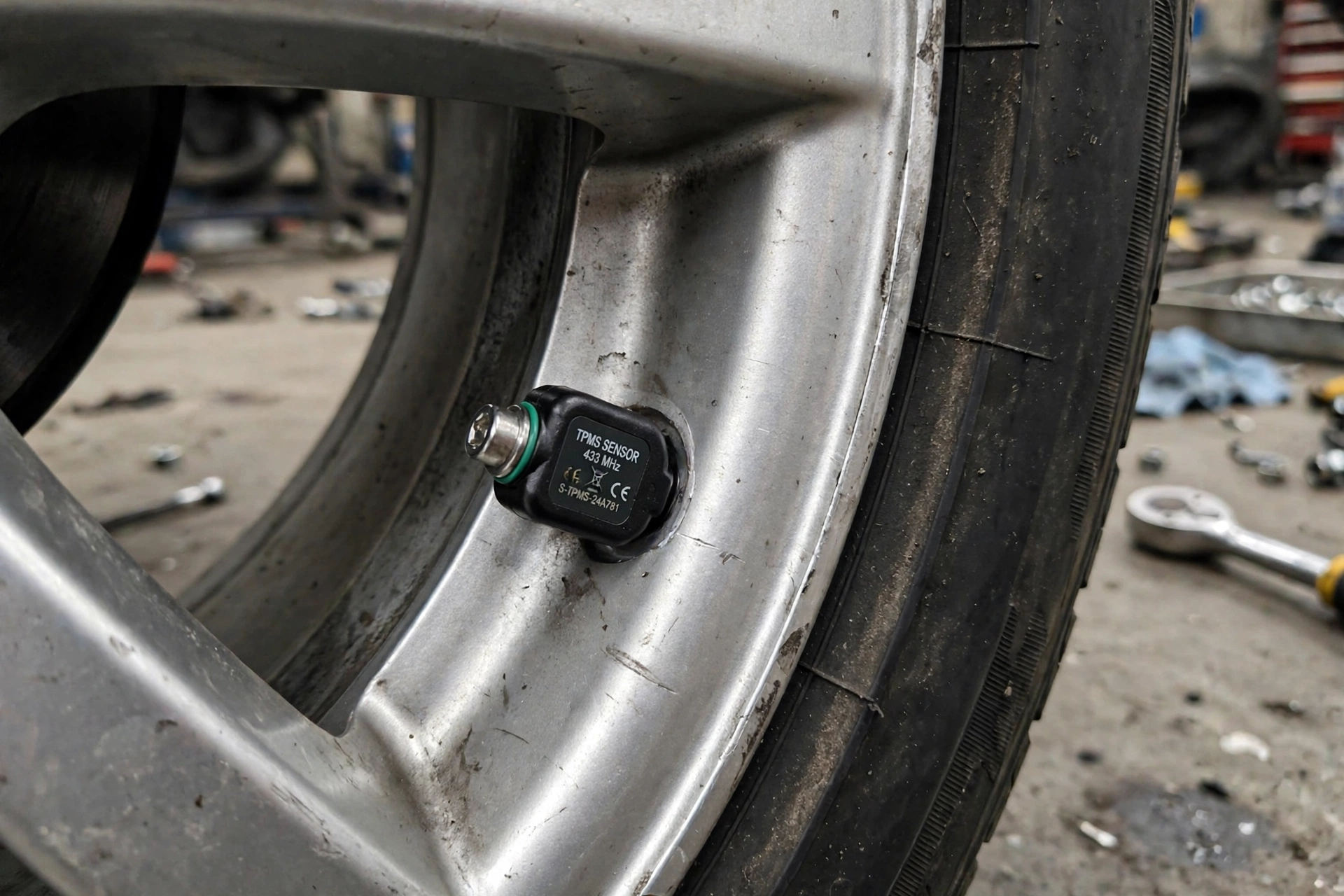
TPMS Sensor Replacement Cost: What You’ll Actually Pay
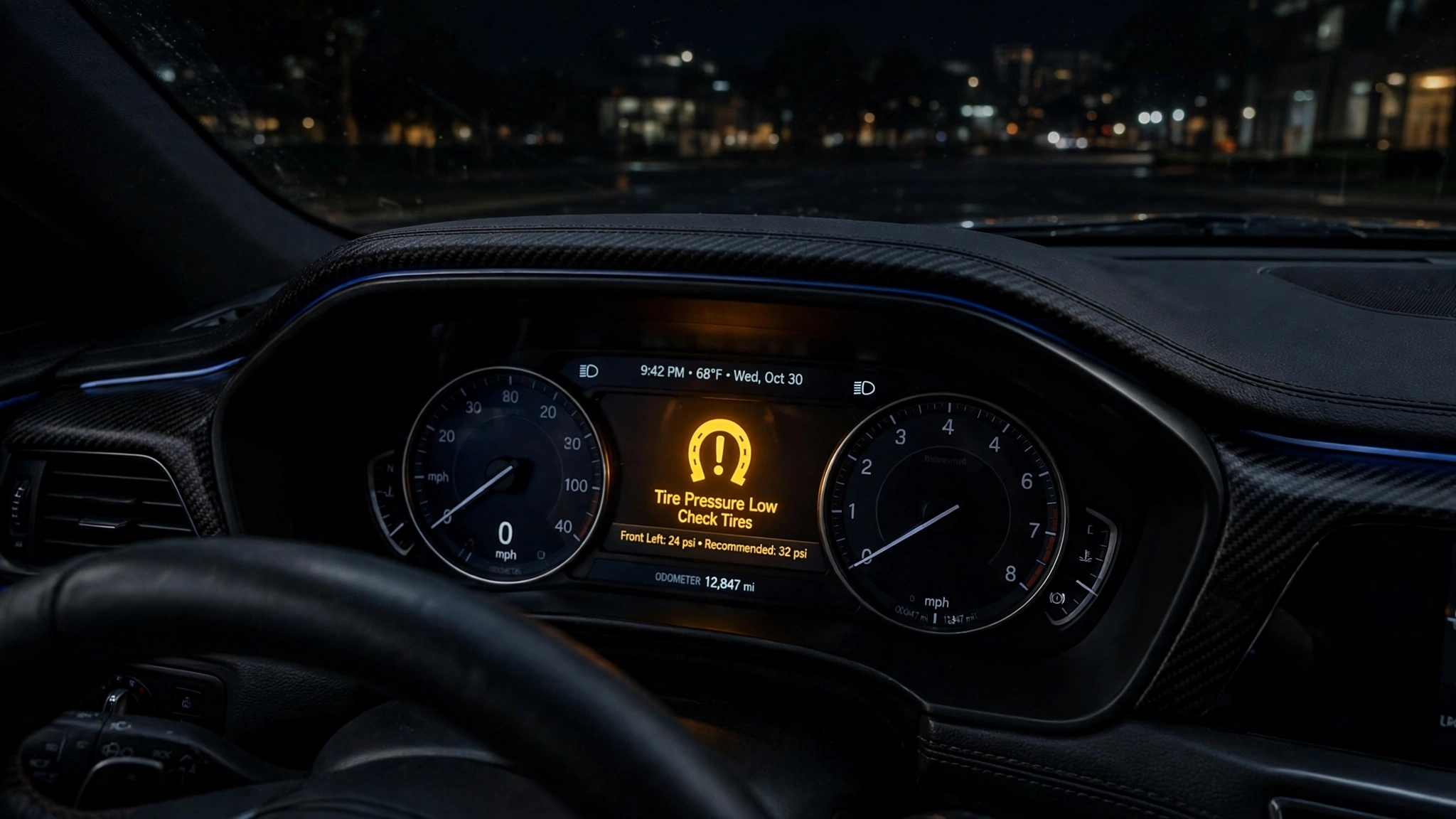
Short answer: replacing one TPMS sensor costs about $240–$299 standalone (RepairPal); $60–$150 when bundled with tire work. An independent tire shop with a quality aftermarket sensor sits at the low end; a dealership using an OEM sensor sits at the high end. These are typical ranges — your exact bill depends on your car, your region, and the shop you choose.
If your tire pressure light has been glowing for weeks even though your tires look fine, you’re probably past the “what is TPMS” stage. You want to know what the fix costs, whether the dealer is ripping you off, and whether you can put it off. This guide answers all of that, plainly.
Diagnose before you pay. A TPMS warning doesn’t always mean a dead sensor — it can be a weak battery, corrosion, or just a relearn issue. Ask the shop to confirm which sensor (if any) has actually failed before you agree to a replacement. This one check is the difference between a $30 relearn and a $300+ job. Note: if your car uses indirect TPMS, there is no sensor in the wheel to replace — the system reads pressure through the ABS wheel-speed sensors, so a warning usually means low pressure, not a dead sensor.
What’s Actually on the Bill: Parts vs Labor
A TPMS sensor replacement isn’t one charge — it’s three small ones bundled together. Understanding the split is what lets you spot a fair quote.
The sensor itself
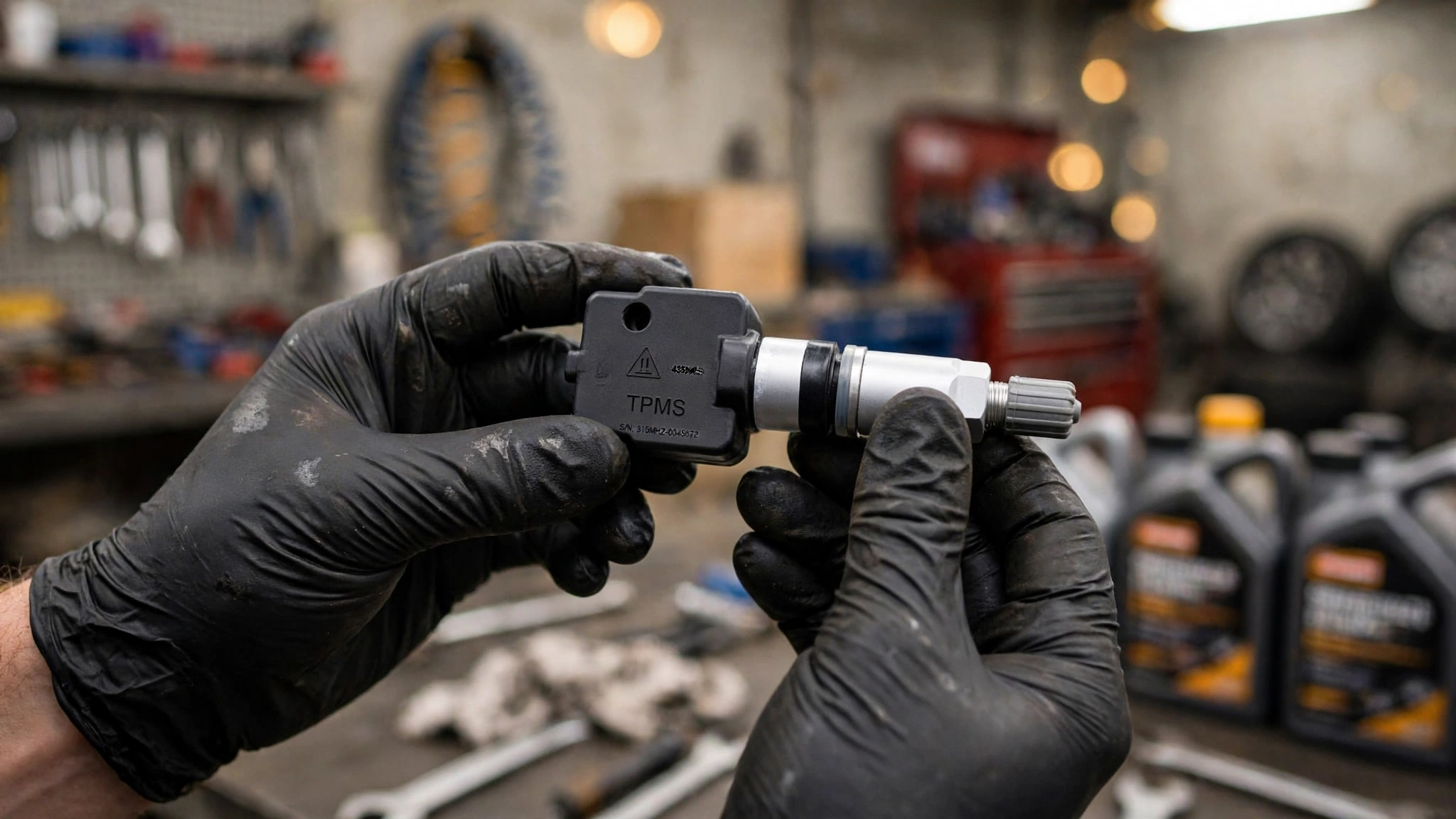
The sensor is a small battery-powered unit that lives inside the wheel and reports pressure to your car’s computer. Typical part prices:
- Aftermarket/universal sensor: roughly $25–$90 per unit
- OEM (dealer-brand) sensor: roughly $50–$200+ per unit, sometimes more for luxury or EV platforms
For most everyday cars, a quality aftermarket sensor works just as well as the dealer’s. The OEM premium mostly buys guaranteed compatibility on finicky platforms.
The service kit (valve hardware)
Every time a tire comes off the wheel, the shop should replace the small valve hardware — valve core, nut, seal, and cap. This usually adds $5–$15 per wheel. It’s cheap and it prevents slow leaks and corrosion, so don’t let a shop skip it to “save” you money.
Labor and programming
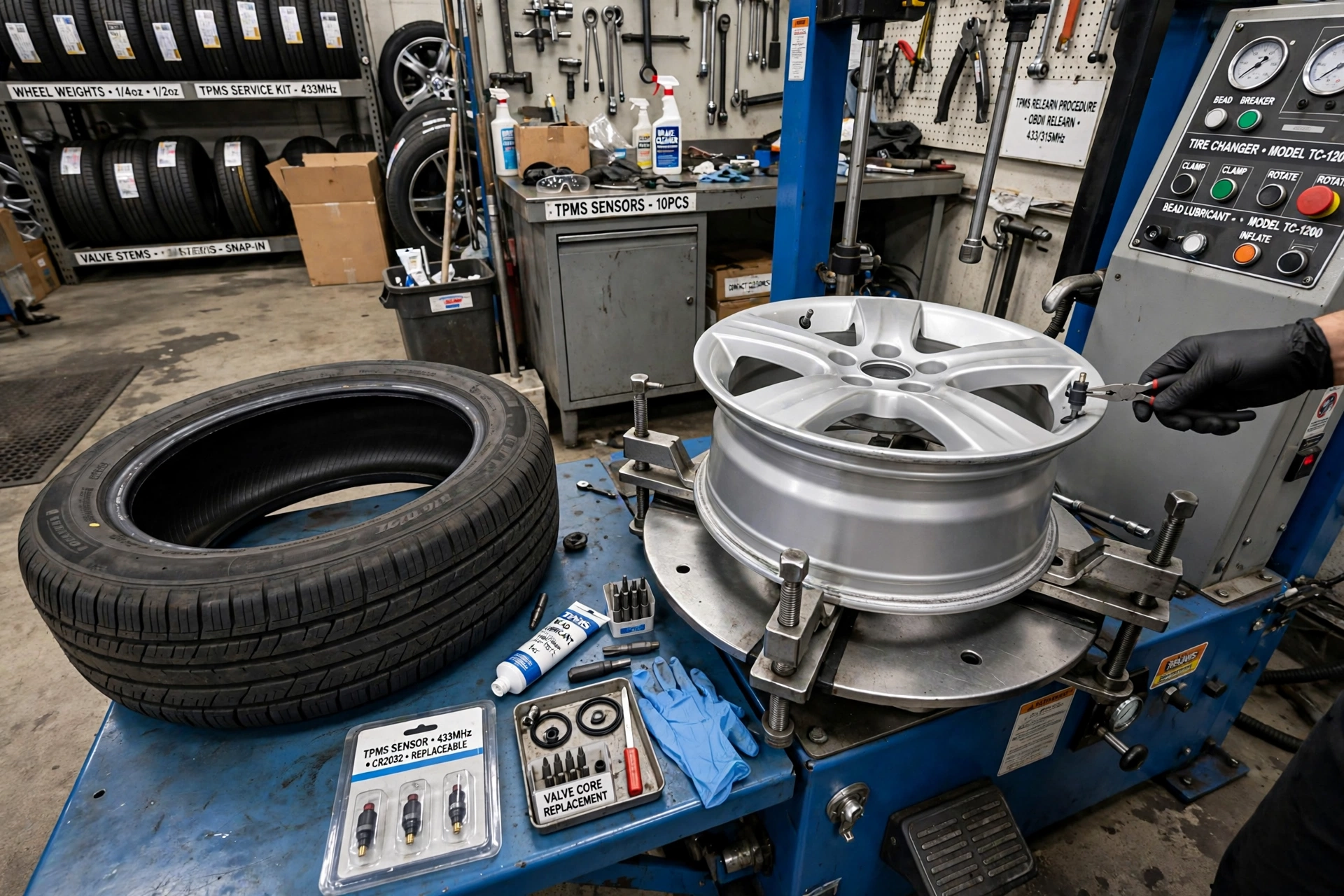
This is the biggest variable. The technician has to remove the wheel, break the tire bead, swap the sensor, remount and balance the tire, then program (relearn) the new sensor to your car’s computer. Typical labor charges:
- Standalone job: roughly $50–$150 per wheel
- Done during a tire purchase or rotation: often $20–$50 per wheel, because the tire is already off
Typical total per wheel: $50 on the low end (tire shop, aftermarket sensor, during other tire work) to $250+ (dealership, OEM sensor, standalone visit).
Total installed cost: expect $240–$368 per sensor installed in the US — RepairPal’s national estimates put it at $240–$299, while Kelley Blue Book quotes $314–$368 (parts + labor). A single sensor is the most common job; a full set of four multiplies accordingly. Watch for hidden extras on the invoice: relearn $49–$71, diagnosis $98–$233, and a replacement module $495–$536.
Dealership vs Tire Shop vs DIY: Where Should You Go?
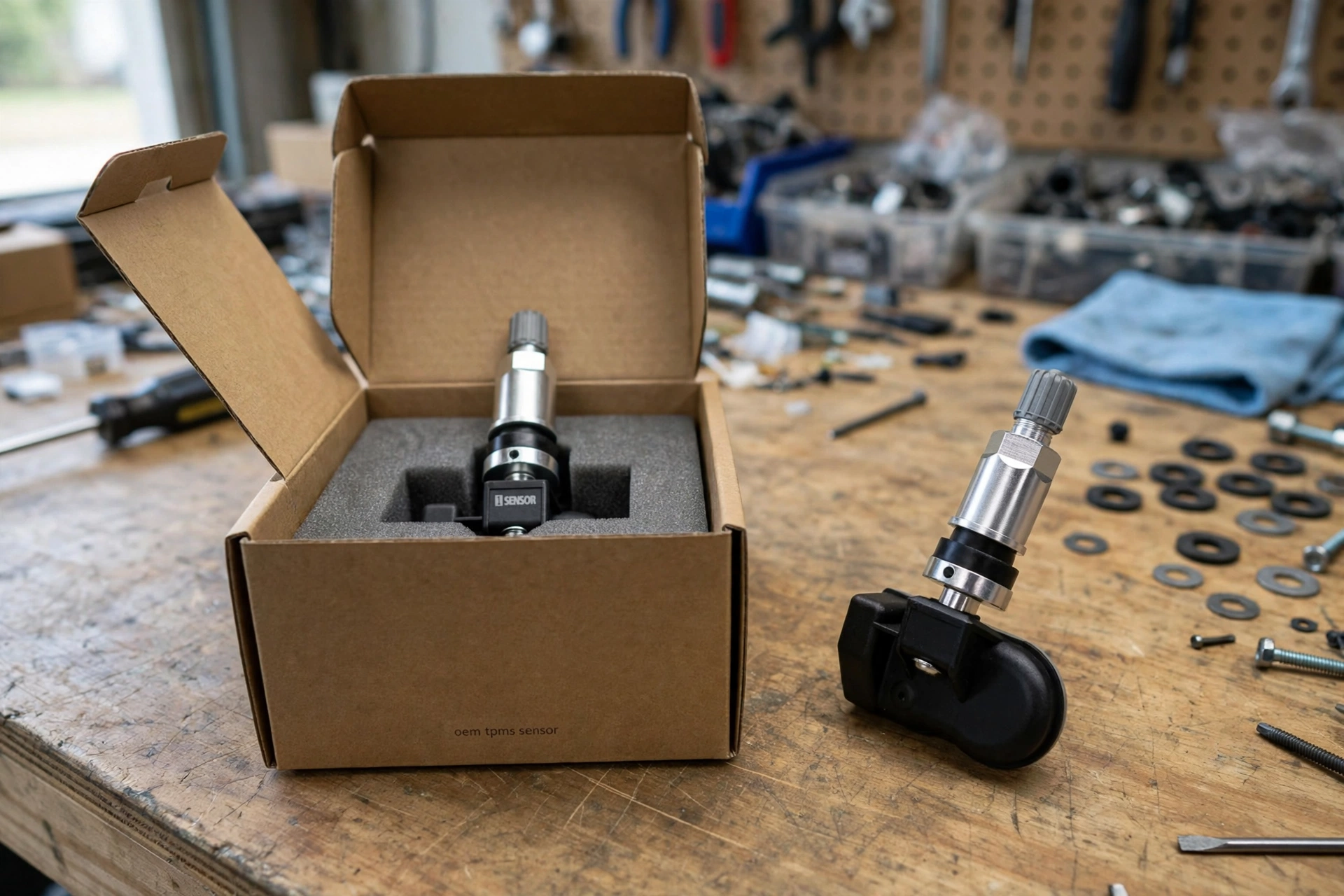
This is where the same job can cost double depending on your choice.
| Shop type | Typical total per wheel | Why |
|---|---|---|
| Tire shop / independent mechanic | $70–$180 | Aftermarket sensors, fair labor rates |
| Tire chain (during tire purchase) | $45–$70 add-on | Tire already dismounted — labor nearly free |
| National repair chain | $150–$300 | Higher overhead, sometimes OEM parts |
| Dealership | $200–$400+ | OEM sensors + flat programming fees |
The cheapest legit option: if you’re already buying tires, have the sensors done at the same time at the same shop. The tire machine work is already paid for, so you mostly pay for the part.
DIY? Be honest with yourself. A real DIY sensor swap needs a way to safely lift the car, equipment to break and reseat the tire bead (most home garages don’t have this), and a TPMS programming tool that supports your specific make. For most drivers, paying a pro for the tire work and programming is cheaper and safer than buying the tools. If you’re experienced and already own the gear, the part itself is the only real cost.
One Sensor or All Four?
This is the decision most articles gloss over, and it matters.
TPMS sensors run on sealed batteries that last roughly 7–10 years. They don’t fade gradually — they work, then they die. So:
- Replace just the one if your car is relatively new (under ~5 years) and the failure was physical damage — a pothole hit, a broken valve stem, a botched tire change. The other sensors likely have years left.
- Replace all four if your car is 7+ years old and one sensor just died of old age. The other three lived the exact same life and will usually fail within a year or two. Doing all four at once typically costs $300–$800 total, and you avoid paying the mount/dismount and programming labor three more times.
Replacing all four preemptively on an old car is one of the few upsells that’s genuinely good advice.
5 Factors That Change Your Price
- Your vehicle. Popular models (Toyota, Honda, Ford) have cheap, widely available aftermarket sensors. Luxury brands and some EVs often need OEM or platform-specific sensors that cost much more.
- OEM vs aftermarket. The single biggest lever on parts cost — often a 2–3x difference.
- Your region. Labor rates vary a lot by city and state. Always get the quote itemized.
- Corroded or stuck hardware. In rust-belt states, seized valve stems and corroded nuts add labor time. Not your fault, but it shows up on the bill.
- Relearn complexity. Some cars relearn new sensors with a simple drive cycle; others need dealer-level scan tools. Ask the shop whether programming is included in the quote or billed separately.
How to Save Money (Without Cutting Corners)
- Time it with tire work. New tires, a rotation that requires remounting — that’s when sensor labor is cheapest.
- Get 2–3 written quotes. An independent tire shop, a national chain, and your dealer. Ask each to itemize: sensor part, service kit, labor, programming. The spread will surprise you.
- Ask for aftermarket by name. Unless you drive something finicky, a reputable aftermarket sensor is fine — and often half the dealer’s part price.
- Don’t replace on the light alone. A glowing TPMS light can mean low pressure, a puncture, a leaking valve stem, cold weather, or a failed relearn — not necessarily a dead sensor. As NHTSA explains, the warning only means a tire is significantly underinflated; it doesn’t tell you why. Ask the shop to confirm pressures with a manual gauge and scan the system first. Replacing a good sensor is the most expensive mistake on this list.
- Consider all four on older cars. One visit, one programming fee, no repeat trips.
What Happens During the Appointment (Step by Step)
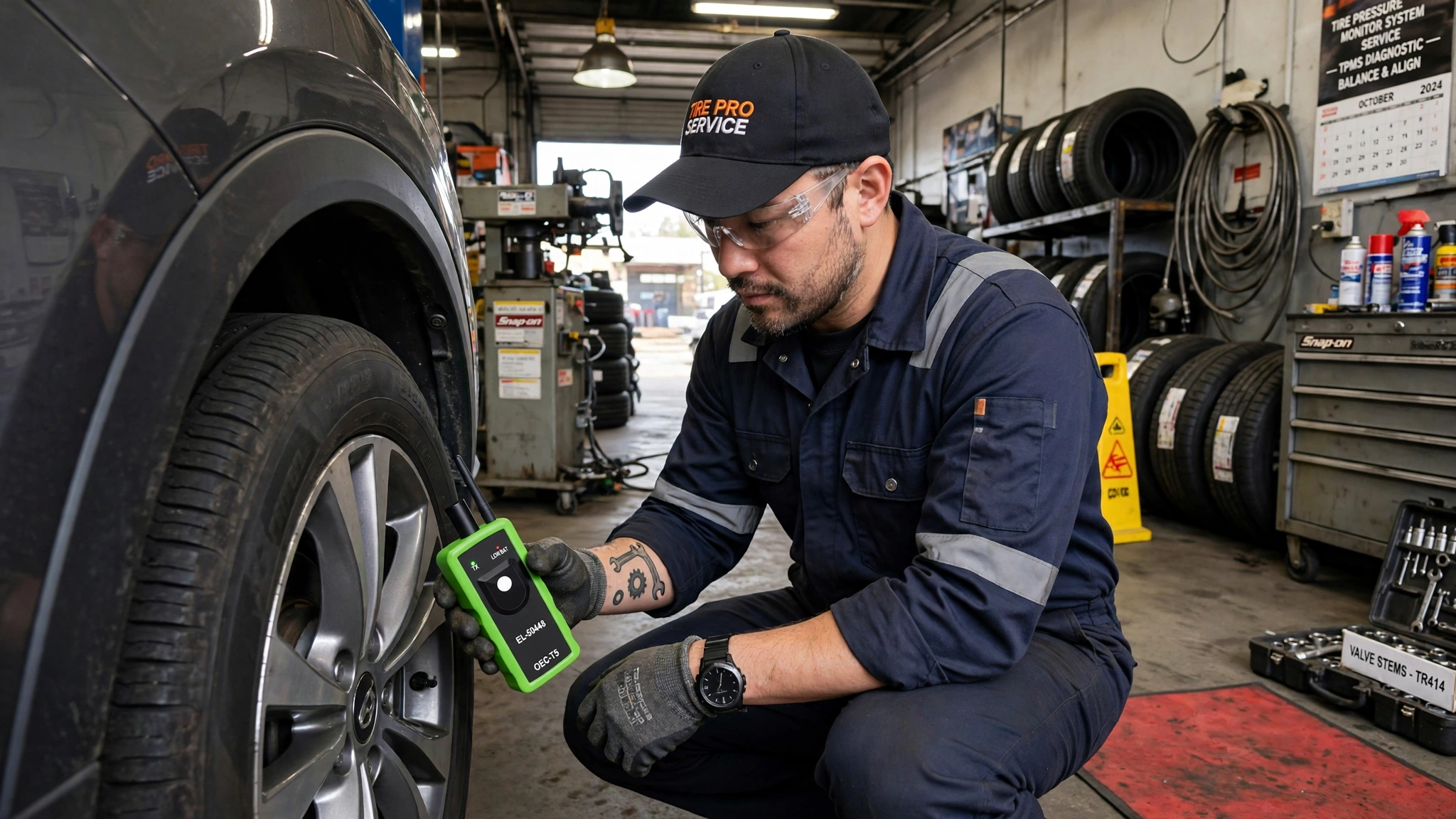
If you’ve never had it done, here’s the actual sequence so nothing on the invoice surprises you:
- Diagnosis first. The tech scans the TPMS system to see which sensor is dropping out, and confirms your tire pressures with a manual gauge. This is the step that separates an honest shop from a parts-changer.
- Wheel off, tire broken down. The wheel comes off the car, the tire is deflated, and the bead is broken from the rim on a tire machine.
- Sensor and hardware swap. The old sensor comes out, the new one goes in with a fresh valve service kit — core, nut, seal, cap.
- Remount, inflate, balance. The tire goes back on the rim, gets inflated to spec, and the wheel is balanced so you don’t feel a vibration at highway speed.
- Program and relearn. The new sensor’s ID is registered to your car’s computer — via a relearn tool, an OBD-II programmer, or a specific drive cycle, depending on the vehicle. Your dash should then show live pressures again.
The whole thing is routine tire-shop work. Nothing exotic, nothing that justifies a mystery surcharge — which is exactly why an itemized quote matters.
Can You Drive With a Bad TPMS Sensor?
Legally, yes in most places. Wisely, not for long. Without the sensor, you lose the early warning for slow leaks — the exact thing that strands people on highways. A tire driven underinflated for weeks wears unevenly, wastes fuel, and can overheat and fail at speed. The U.S. Tire Manufacturers Association puts it bluntly: TPMS is not a replacement for monthly pressure checks with a gauge. If your tire pressure light is flashing or stuck on, check your pressures manually with a gauge right away (our flashing tire pressure light guide walks through what each pattern means), and if a sensor turns out to be the culprit, get it fixed — or call for help if you’re already on the road (roadside tire change service).
FAQ
How long does a TPMS sensor replacement take?
Usually 30–60 minutes per wheel at a shop with the right equipment — most of that is tire machine work, not the sensor itself.
Do I need to replace TPMS sensors when I get new tires?
Not automatically. Many shops recommend fresh valve hardware (the $5–$15 service kit) with every tire change, but the sensors themselves only need replacement when they fail. If your car is 7+ years old and you’re buying tires anyway, that’s the economical moment to do all four.
Why is the dealership so much more expensive?
Mostly the OEM sensor markup plus flat programming fees. For many mainstream cars, an independent shop does the identical job for roughly half.
Will an aftermarket sensor work with my car?
Usually yes, as long as it’s the correct compatible model — the shop programs it to your car’s system. Confirm compatibility before ordering if you’re supplying the part yourself.
Does the TPMS light mean the sensor is dead?
Not necessarily. Check tire pressures first with a manual gauge, look for punctures or leaking valve stems, and remember cold weather can trigger it. A proper diagnosis takes minutes and can save you the cost of a sensor you didn’t need.
Can I replace just the sensor battery?
No — TPMS sensor batteries are sealed inside the unit. When the battery dies, the whole sensor gets replaced.
Prices in this article are typical US ranges gathered from repair pricing sources in 2026 and vary by vehicle, region, and shop. Always get an itemized written quote before authorizing work.