
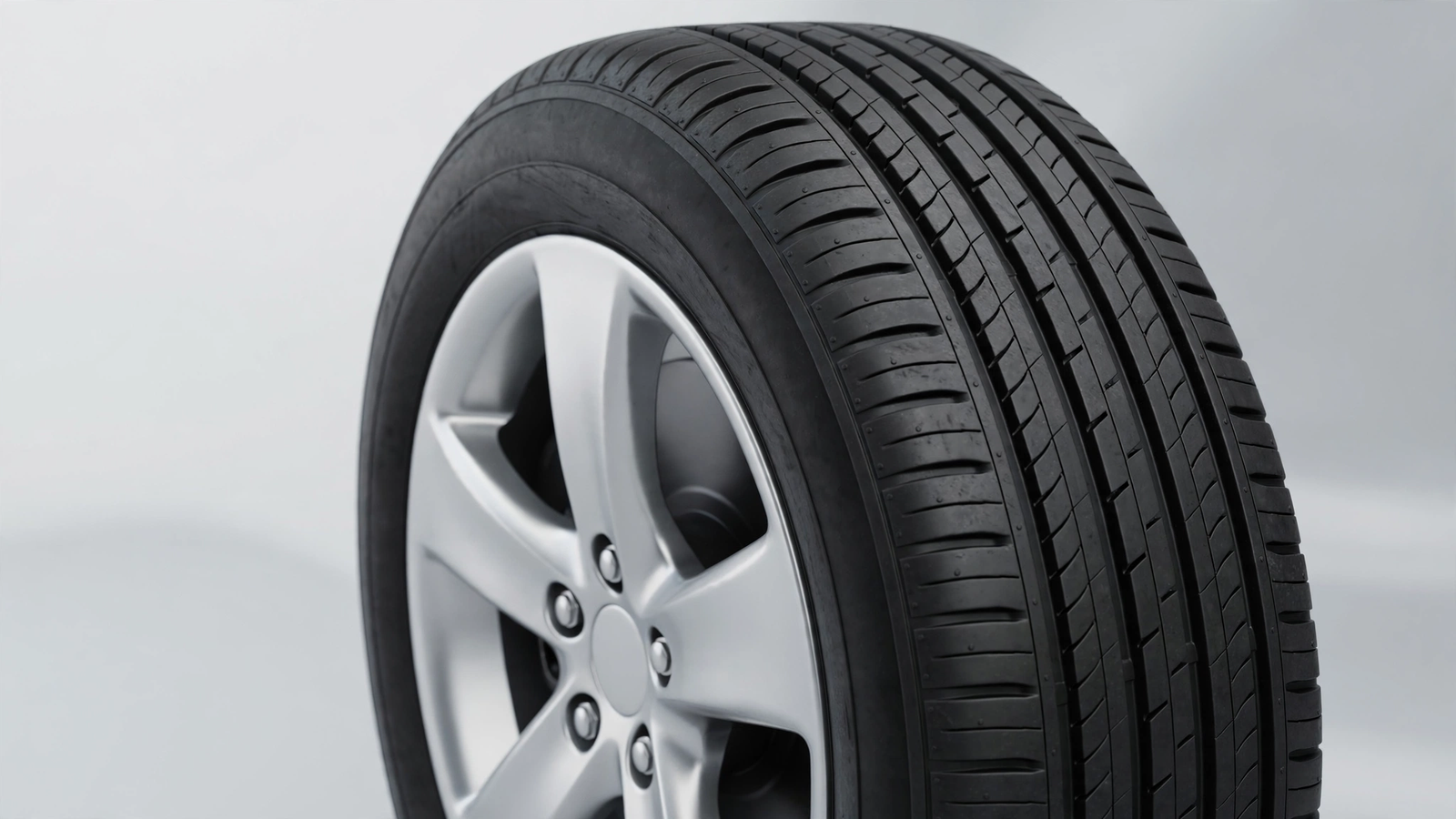
Short answer: if a quiet, comfortable ride is your top priority, the Bridgestone Turanza QuietTrack is one of the best grand touring all-season tires you can buy — and it backs that up with an 80,000-mile treadwear warranty. It’s not the sportiest tire, and it’s not a winter tire, but for daily commuting and long highway miles in comfort, it does exactly what its name promises.
If you’ve ever gotten out of a car after a long drive with your ears ringing from tire roar, you know why this tire exists. Road noise is one of those things you stop noticing only when it’s gone — and the QuietTrack was engineered from the ground up to make it disappear.
Key Highlights
- Outstanding quietness — the headline feature, and it delivers
- Smooth, settled ride quality on highways and rough pavement
- Strong wet-weather grip and hydroplaning resistance
- Confident dry handling for a comfort-focused tire
- 80,000-mile / 5-year treadwear warranty
- UTQG rating of 800 A A
Who It Suits
This tire makes most sense for drivers who spend their time commuting, running errands, and covering highway miles in a sedan, coupe, or crossover — and who value arriving relaxed over carving corners. If you notice road noise, if you take phone calls in the car, if long drives leave you tired, this is your tire.
It’s less of a match for drivers who want sharp steering response above all else (a performance all-season or summer tire like the one in our Michelin Pilot Sport 5 review fits that brief better), for anyone who regularly drives through real snow and ice (more on that below), or for bargain hunters — this is a premium tire with a premium price, and cheaper touring tires cover the basics for less.
Comfort and Noise: The Reason to Buy It
Let’s start with the thing this tire is named for, because it’s genuinely excellent here. In Tire Rack’s owner survey — 6.6 million miles reported by drivers — the QuietTrack scores 8.7 out of 10 for comfort, split into 8.8 for ride quality and 8.6 for noise. Those are excellent numbers in the grand touring category.
What does that feel like in practice? On smooth highways, the tire fades into the background — wind noise becomes the loudest thing you hear, which is exactly how it should be. On broken pavement and expansion joints, the ride stays settled rather than crashy. Owners consistently describe the same first impression: the car feels quieter the moment these go on, especially if you’re replacing worn tires, which are always louder than new ones.
One honest caveat, straight from owner feedback: like most quiet tires, it can get noticeably louder as it wears down. The magic is strongest in the first half of the tire’s life. That’s not a flaw unique to this tire — it’s physics, since worn tread blocks get stiffer and noisier — but it’s worth knowing so your expectations are set correctly.
Dry Performance
For a comfort-first tire, dry grip is a pleasant surprise. Tire Rack survey scores put dry traction at 9.2 out of 10 — excellent — with strong corner stability (9.0) and steering response (9.0). Around town and on the highway, the car tracks straight, changes lanes without drama, and feels planted in normal cornering.
Don’t mistake it for a sporty tire, though. Push hard on a winding road and you’ll find the limits sooner than you would on a performance all-season — the sidewalls are tuned for comfort, not for razor feedback. That’s the correct trade-off for this tire’s mission. For the driving 95% of owners actually do, the dry performance is more than enough, with grip in reserve for emergency maneuvers.
Wet Performance
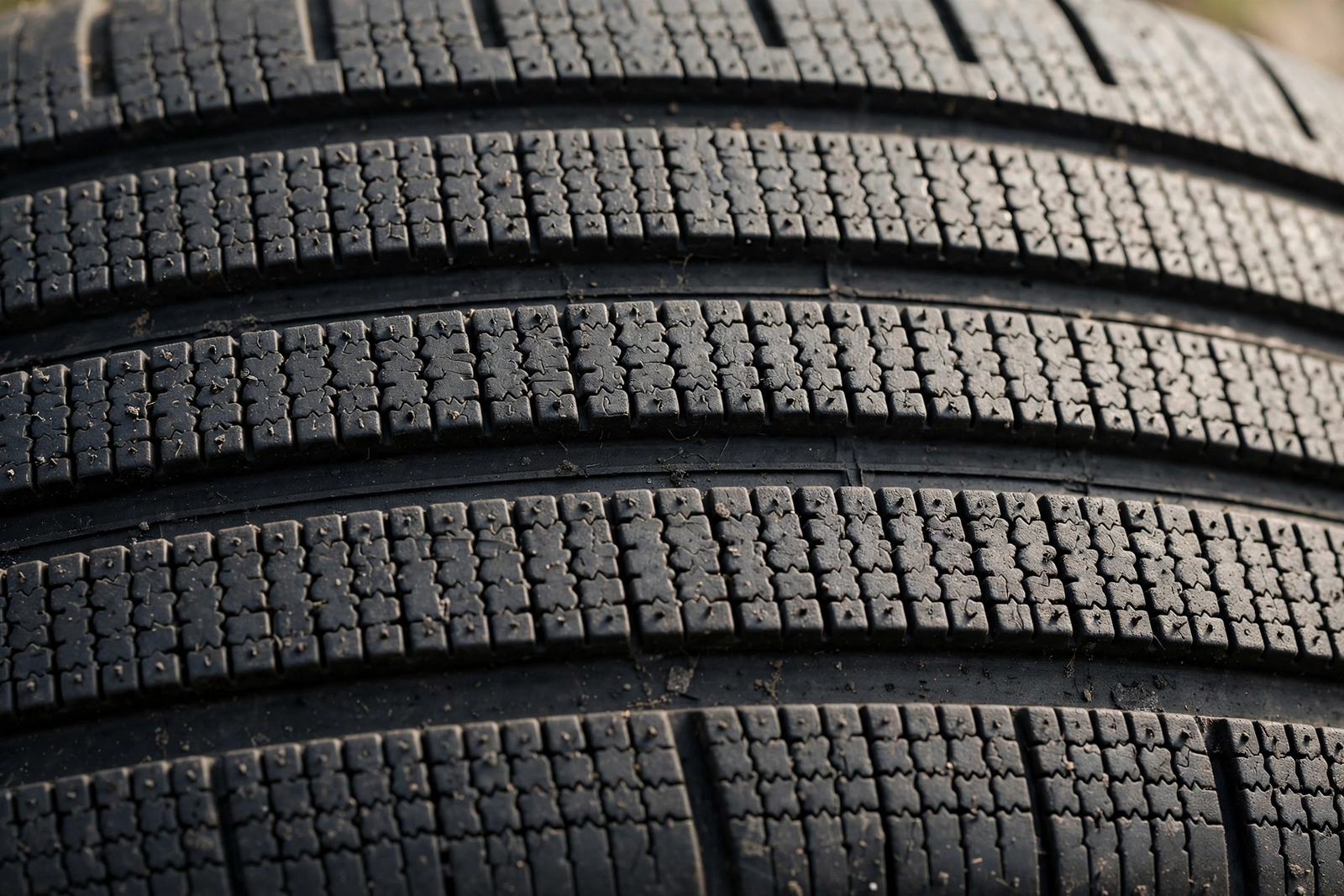
This is the QuietTrack’s second standout strength. Wet traction scores 8.7 and hydroplaning resistance 8.6 (both excellent), putting it near the top of its class. In steady rain, the car stays composed at normal highway speeds, and braking feels predictable rather than nervous.
The usual advice still applies: no tire makes standing water safe, so slow down before puddles, leave extra following distance in rain, and remember that wet grip fades as tread wears. But among grand touring all-season tires, this is one of the more reassuring options when the sky opens up.
Snow and Winter: Know the Limits
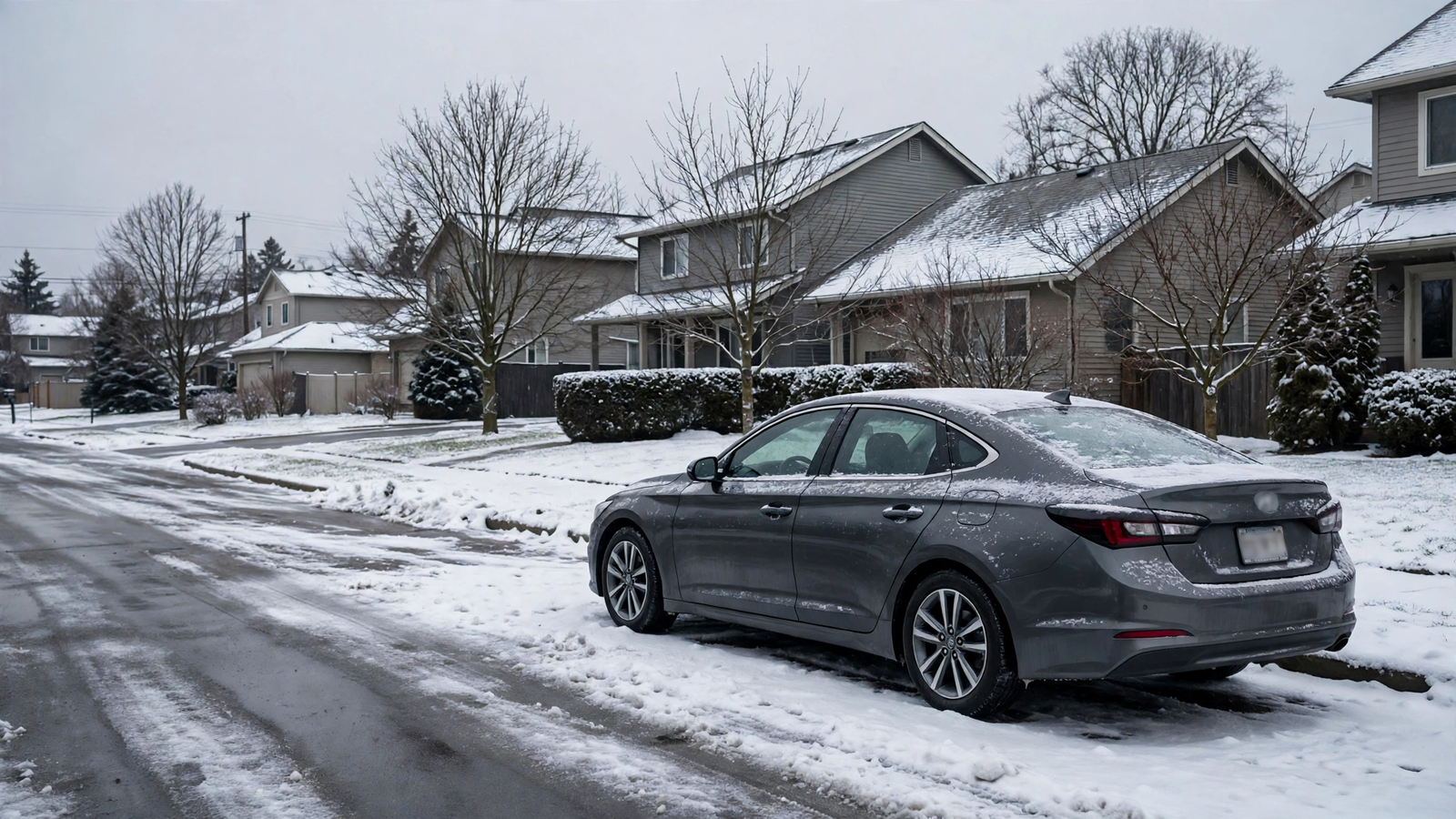
Here’s where honesty matters most. As an all-season tire, the QuietTrack handles light snow acceptably — Tire Rack’s survey gives it 7.7 out of 10 for light snow and 7.0 for deep snow. But owner feedback is blunter: several owners report poor traction and instability on snow-covered roads, and ice grip is the weak point (6.6 in the survey).
The takeaway is simple: if your winters mean the occasional light dusting and mostly cold rain, you’ll be fine. If you regularly drive through real snow, ice, or freezing slush, no all-season tire — this one included — replaces a proper set of winter tires. Don’t let the “all-season” label talk you into something it can’t do.
Treadwear and Warranty
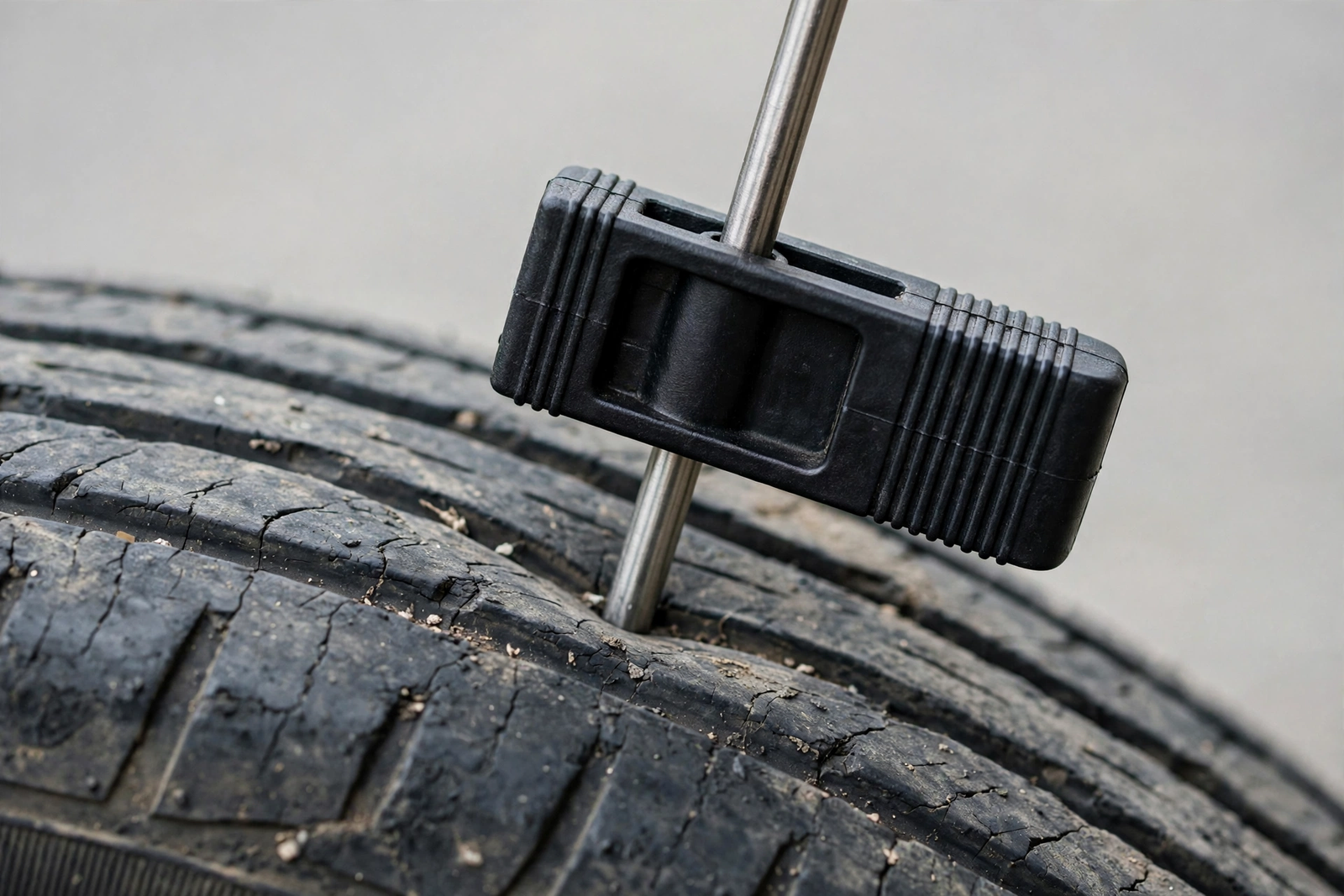
Bridgestone backs the QuietTrack with an 80,000-mile / 5-year treadwear warranty, and its UTQG treadwear rating is 800 — both strong numbers that signal long life. In Tire Rack’s survey, owners rate treadwear 7.2 out of 10 (“good”), though this is the one area where owner sentiment splits: a meaningful number of owners report their tread life falling short of the 80,000-mile promise.
That gap is worth understanding. Treadwear warranties assume proper inflation, regular rotation, and correct alignment — the boring maintenance trio that most drivers neglect. An 800 UTQG rating means the compound is genuinely long-wearing in lab testing, but real-world miles depend on your roads, your driving, and your maintenance habits. Rotate every 5,000–7,500 miles, keep pressures at the door-jamb figure, and you’ll get far closer to the promise than someone who doesn’t.
Specs at a Glance
All figures below are from published manufacturer and retailer data for the Turanza QuietTrack line. Exact specs vary by size — always check your specific size before buying.
| Spec | Figure |
|---|---|
| Category | Grand touring all-season |
| UTQG | 800 A A |
| Treadwear warranty | 80,000 miles / 5 years |
| Sizes available | 29 sizes |
| Rim diameters | 15″–19″ |
| Tread depth (new) | 10/32″ |
| Max pressure | 44 psi |
| Sidewall | Blackwall |
| Vehicle types | Passenger cars, crossovers |
Not sure which size your car needs? Our tire size guide walks through reading your door-jamb sticker — don’t just copy the size of the old tires without checking. For current sizes and pricing, see Tire Rack’s Turanza QuietTrack listings and owner ratings.
How It Compares to Touring Rivals
The QuietTrack’s natural rivals are the Michelin Primacy Tour A/S and Defender series, the Continental PureContact LS, and the Goodyear Assurance ComfortDrive. Here’s the honest landscape:
- Vs Michelin Primacy/Defender: Michelin’s touring tires are the benchmark for balanced refinement and often edge ahead on treadwear consistency. The QuietTrack typically costs less and matches or beats them on outright quietness when new. If lowest long-term cost per mile is your goal, compare warranty terms carefully; if quietness-per-dollar is the goal, the Bridgestone is very hard to beat.
- Vs Continental PureContact LS: The Continental leans slightly sportier with sharper steering feel, while the QuietTrack leans quieter and softer. Comfort-first buyers pick Bridgestone; drivers who want a hint of sportiness pick Continental.
- Vs Goodyear Assurance ComfortDrive: A close fight on comfort and noise. Compare current prices and warranty terms in your size — the better buy often comes down to what’s on sale.
None of these are bad tires. The QuietTrack’s case is simple: maximum quiet comfort for the money, with strong wet grip as a bonus.
Pros and Cons
Pros
- Exceptionally quiet ride — best-in-class noise suppression when new
- Smooth, comfortable highway manners
- Excellent wet traction and hydroplaning resistance
- Strong dry grip for a touring tire
- 80,000-mile treadwear warranty and 800 UTQG rating
- Wide size range (15″–19″) covering most sedans and crossovers
Cons
- Weak in real snow and on ice — not a winter tire
- Can get noticeably louder as it wears
- Real-world tread life varies; some owners fall short of 80,000 miles
- Premium price — budget touring tires cover the basics for less
- Not sporty — comfort-tuned handling won’t excite enthusiastic drivers
Price & Where to Buy
The QuietTrack usually sits in the mid-to-upper price range for grand touring all-season tires — you’re paying for the quiet ride and the 80,000-mile warranty, not for sporty handling. But the honest truth is that tire prices move constantly: they change by size, by retailer, and by season, and any dollar figure printed here would be stale within weeks.
A dated price example: Tire Rack listed the QuietTrack in 215/60R16 at $266.52 per tire — $1,066.08 for a set of four — when checked on 10 November 2026. Treat that as a snapshot, not a quote: your size and the current promotions will move the number.
So instead of a price table that lies to you, do this:
- Find your exact size on your driver’s door-jamb sticker (not just what’s on the car now).
- Check current per-size pricing at Tire Rack and Discount Tire — start from the Tire Rack QuietTrack listing linked in the Specs section above, compare the same size across both retailers, and look for manufacturer rebates, which Bridgestone runs several times a year.
- Price the full set of four, then divide by the miles you actually expect (see the treadwear section above) to get your true cost per mile.
Prices change; check your size before you buy. If a deal looks dramatically cheaper than every other listing, double-check the size, load index, and speed rating — mismatched specs are the usual explanation.
Cost per 1,000 miles
Using only the figures in this article — Tire Rack’s dated example of $266.52 per tire in 215/60R16 ($1,066.08 for a set of four, checked 10 November 2026) and the QuietTrack’s 80,000-mile treadwear warranty:
| Size | Price per tire | Cost per 1,000 miles (per tire) | Cost per 1,000 miles (set of four) |
|---|---|---|---|
| 215/60R16 | $266.52 | $3.33 | $13.33 |
Worked example: $266.52 ÷ 80,000 miles × 1,000 = $3.33 per 1,000 miles per tire (a set of four: $1,066.08 ÷ 80,000 × 1,000 = $13.33).
What that means in real money: the premium is felt as a $1,066.08 set price up front, before fitting — over a thousand dollars for the quiet cabin the tire promises — even though, spread over the warranty’s 80,000 miles, it is only about $13.33 per 1,000 miles for the set. That is the best case: it assumes the tires reach the full 80,000-mile warranty, and real-world tread life varies — this article notes some owners fall short of 80,000 miles — so the true cost per 1,000 miles is higher if yours do.
Owner verdict: Tire Rack owners score the QuietTrack 8.7/10 for comfort (8.8 ride quality, 8.6 noise) across 6.6 million reported miles, with dry traction at 9.2/10, wet traction at 8.7/10 and hydroplaning resistance at 8.6/10. See the owner data on Tire Rack’s Turanza QuietTrack listings and owner ratings.
Frequently Asked Questions
Is the Turanza QuietTrack really quiet?
Yes — quietness is its defining trait and the thing owners praise most. Expect a clearly quieter cabin than worn tires or noisier all-season models, especially on highways. Like all tires, it gets louder as it wears.
How long does it last?
Bridgestone warranties it for 80,000 miles / 5 years, and its 800 UTQG treadwear rating supports long life. Real-world results vary with maintenance — rotate regularly, keep pressures correct, and align the car, and you’ll get far closer to the promise.
Is it good in snow?
Acceptable in light snow, weak in deep snow and on ice. It’s an all-season tire, not a winter tire. If your winters are serious, get dedicated winter tires.
What cars does it fit?
Passenger cars and crossovers, in 29 sizes covering 15″–19″ wheels. Check your door-jamb sticker or owner’s manual for your exact size and load requirements.
Is it better than the Michelin Defender?
They’re close rivals. The Defender often wins on long-term treadwear consistency; the QuietTrack typically wins on quietness-per-dollar. Compare prices in your size — both are excellent touring tires.
Is it worth the premium price?
If quiet comfort is what you want most from a tire, yes — that’s exactly what you’re paying for, and it delivers. If you mostly want the cheapest safe tire, a mid-range touring tire covers the basics for less.
Final Verdict
The Bridgestone Turanza QuietTrack does exactly what its name promises: it makes your car quieter and more comfortable, with strong wet-weather grip and a long warranty backing it up. Its limits are honest ones — real snow, ultimate tread life, and sporty handling belong to other tires.
For commuters and highway drivers who value a calm cabin above all else, it’s one of the easiest recommendations in the grand touring category. Just go in with eyes open about winter, keep up with rotation and pressures, and you’ll get the quiet miles you’re paying for.