
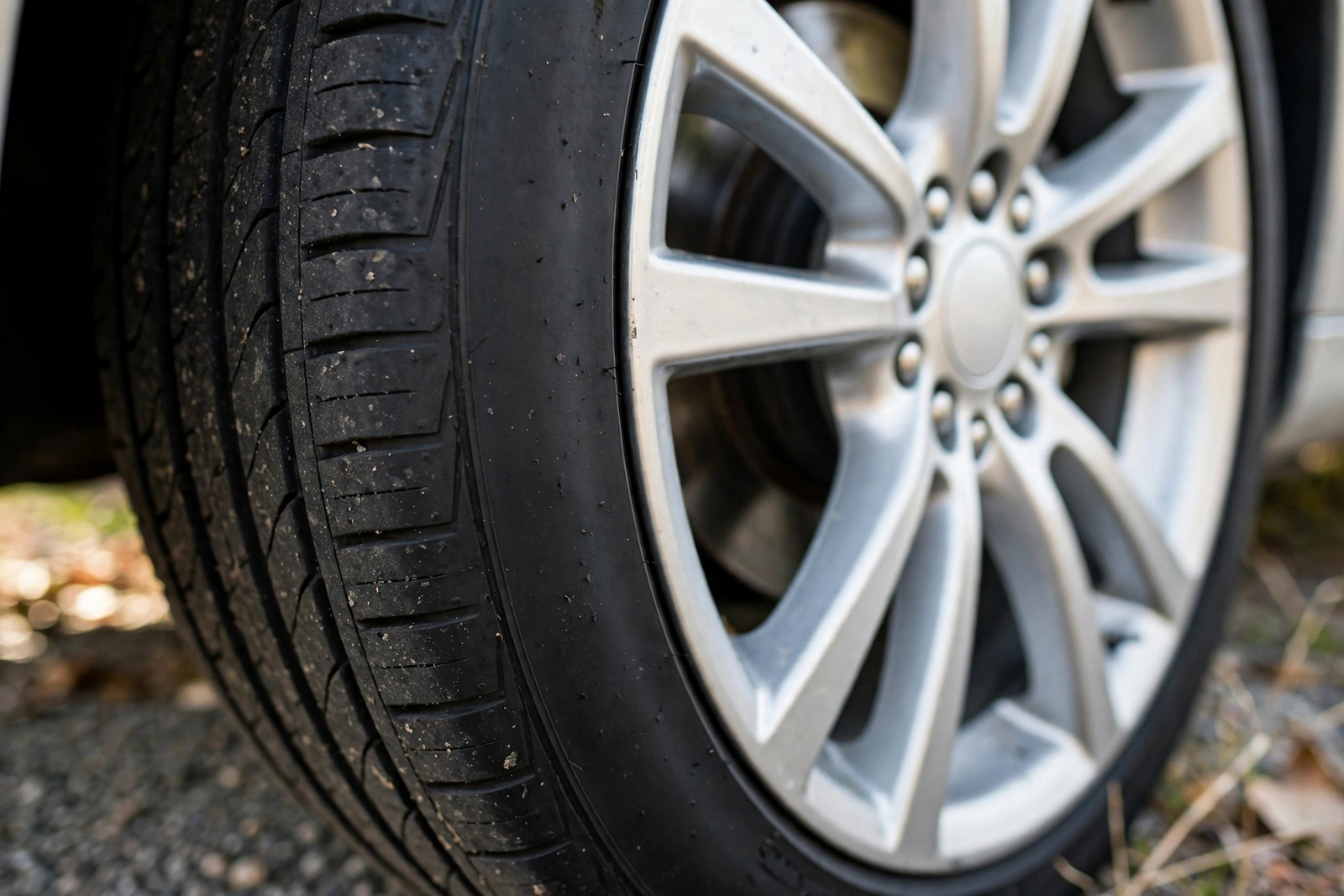
Short answer: if you want one tire that grips hard in the dry, stays planted in heavy rain, and still gets you home in light snow, the Continental ExtremeContact DWS06 Plus is one of the best ultra-high-performance all-season tires you can buy. It is Tire Rack’s best-rated tire in its category, with 99% of surveyed owners saying they would recommend it after 61 million reported miles. The trade-offs are real but honest: it will not match a dedicated summer tire on a dry track, it is not a true winter tire, and aggressive drivers can wear it out faster than the warranty suggests.
If you drive a sporty sedan, coupe, or hot hatch — think BMW 3 Series, Mustang, Golf GTI, Civic Si, Tesla Model 3 — and you want performance without swapping tires twice a year, this is the tire that category was invented for.
Key Highlights
- Outstanding wet grip and hydroplaning resistance — its strongest suit
- Strong, predictable dry cornering for an all-season tire
- Usable light-snow traction (with visible DWS wear indicators)
- Quiet, comfortable ride for a performance tire
- 50,000-mile treadwear warranty on square setups
- Huge size range: 121 sizes, 16 to 22 inches
Who It Suits
This tire makes most sense for drivers who enjoy driving but live where the weather does not cooperate year-round. If your car is a sporty daily driver and you face real rain, the occasional cold snap, and maybe a few light snowfalls — but not months of packed snow and ice — the DWS06 Plus fits that brief better than almost anything else.
It suits someone who takes the long way home on purpose, who wants steering that talks back, and who refuses to own two sets of wheels. It is less of a match for drivers chasing lap times (a summer tire still wins in the dry), for anyone in serious winter country (get dedicated winter tires), and for drivers who mainly want the cheapest tire that passes inspection. It is also worth knowing upfront: owners with heavy, high-torque cars and aggressive alignment settings report the shortest tread life, so if that describes your car and your right foot, budget accordingly.
Dry Grip
Dry grip is where this tire earns its “extreme” name. On a dry road, turn-in is sharp for an all-season tire, the car settles into corners without drama, and mid-corner grip feels deep and predictable. Tire Rack’s owner surveys score its dry traction 9.4 out of 10, with cornering stability at 9.3 — numbers that put it at the very top of the all-season performance class.
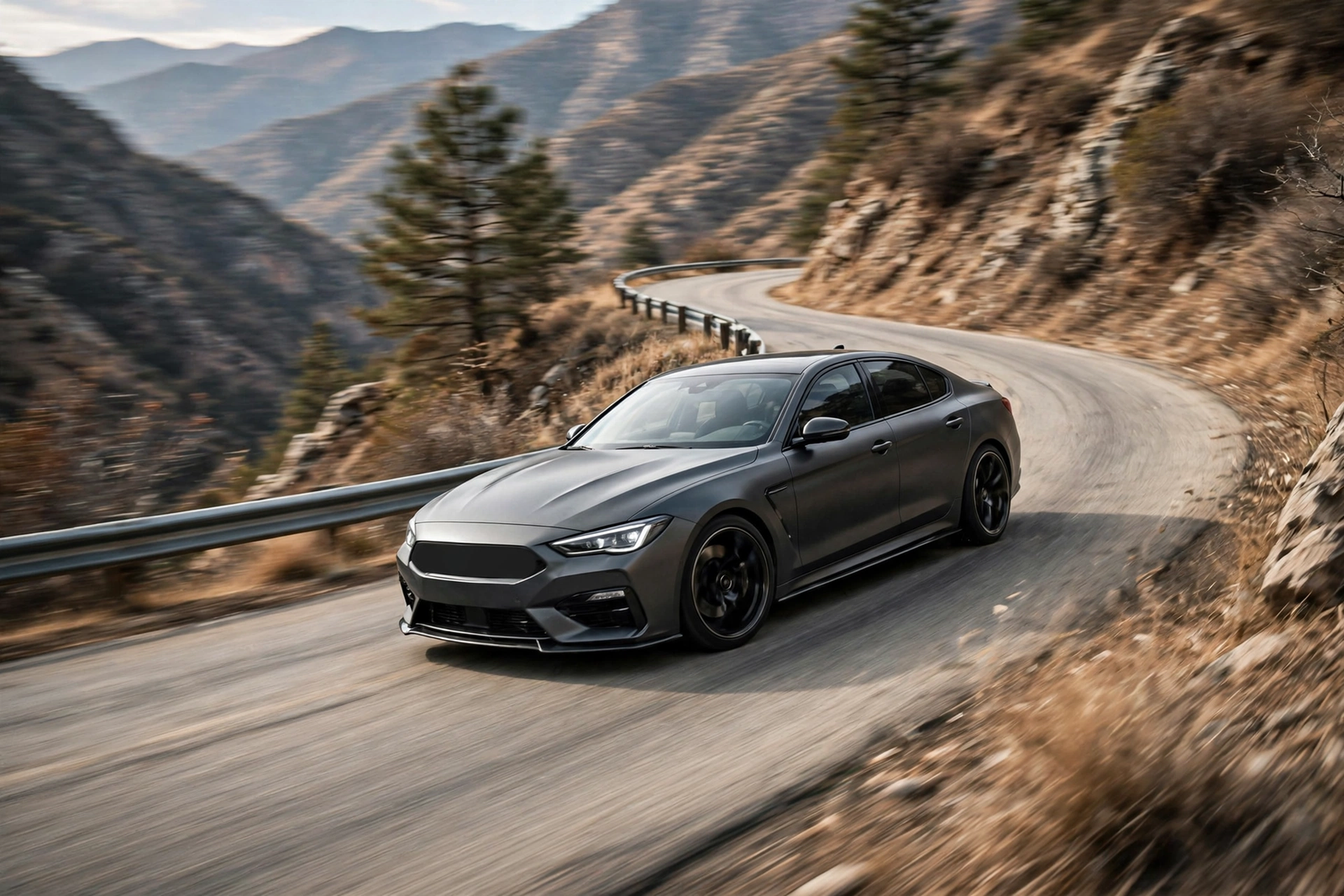
In daily driving, that translates to confidence where it counts: highway on-ramps, quick lane changes, and winding back roads. The steering response (9.2 in the surveys) is a touch softer than a max-performance summer tire — owners describe a slightly less razor-sharp initial bite — but the trade is deliberate. Continental tuned this tire for the street, not the stopwatch, and on public roads the difference is smaller than the spec sheets suggest.
One honest note from long-term owners: as the tire wears past half its tread life, dry grip stays respectable but the sharpest edge dulls. Rotation every 5,000 miles or so keeps wear even and preserves the handling longer.
Wet Grip
If dry grip is this tire’s reputation, wet grip is its superpower. This is the single most-praised trait across thousands of owner reviews: in heavy rain, the DWS06 Plus clears water aggressively and stays planted where lesser all-season tires start to float. Hydroplaning resistance scores 9.0 and wet traction 9.1 in Tire Rack’s surveys, and owners consistently describe rain driving that feels almost unfair — one verified buyer reported finishing fastest overall out of 65 drivers at a soaking-wet autocross on a stock car wearing these tires.
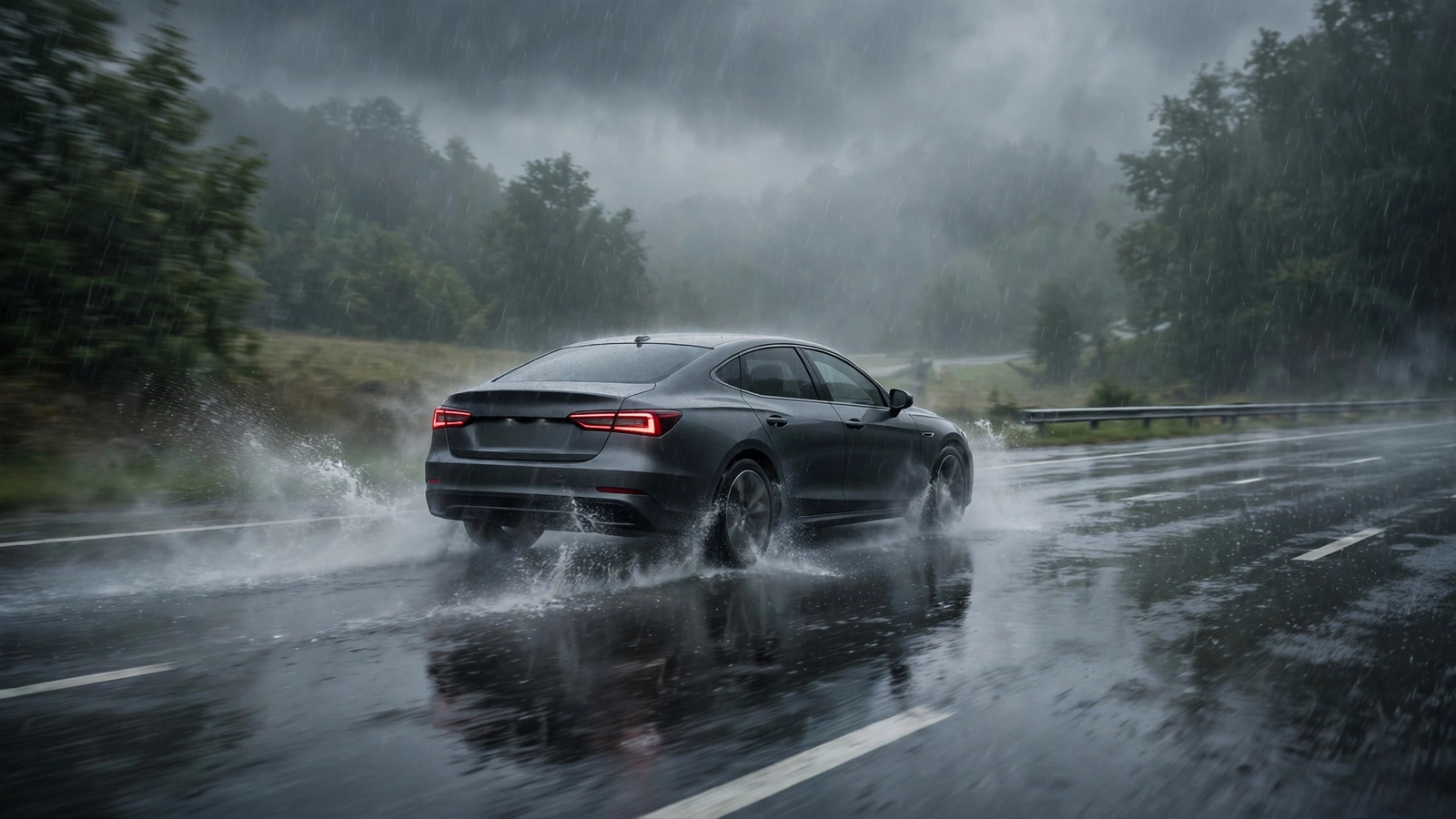
The technology behind it is what Continental calls SportPlus Technology: an asymmetric tread with heavy water-evacuation channels on the inner half and a stable cornering shoulder on the outer half. In plain terms, the inside of the tire is a rain tire and the outside is a dry tire, and they work at the same time.
The practical advice still applies: slow down for standing water, leave bigger gaps in rain, and remember that wet grip fades as any tire wears. But among performance all-season tires, this is the wet-weather benchmark.
Snow and Cold-Weather Ability
The “S” in DWS stands for snow, and Continental molds the letters D, W, and S right into the tread. As the tire wears, the letters disappear one by one — when the S wears off, the tire’s snow capability is gone even though dry and wet grip remain. It is a brilliantly simple wear indicator, and you should check it every fall.

In light snow, owners rate it 8.2 out of 10 — genuinely capable for an all-season tire, and far better than a summer tire, which turns into a hockey puck below freezing. In deep snow it drops to 7.4, and on ice to 7.0, which is honest all-season territory: it will get you home in a surprise dusting, but it is not a substitute for a dedicated winter tire.
Two things to be clear about. First, this tire is not 3PMSF (Three-Peak Mountain Snowflake) certified — it does not carry the severe-snow rating that true winter tires have. Second, if your winters mean months of packed snow and ice, buy a winter set anyway; no all-season tire, however good, repeals physics. For everyone else — the “three snowfalls a year” driver — the DWS06 Plus is exactly the compromise that works.

Comfort and Noise
For a tire with this much grip, the ride quality surprises people. Owners score ride comfort 9.0 out of 10, describing a compliant, settled ride that soaks up broken pavement better than most performance rubber. It is a non-run-flat construction, which helps — there is real sidewall flex working as suspension.
Road noise scores 8.7 when new: a low background hum that stays out of the way of conversation and music. The honest long-term caveat, repeated across owner reviews, is that noise grows as the tire wears — a drone can develop in the second half of the tread life. It never becomes obnoxious for most drivers, but if you are sensitive to cabin noise, it is worth knowing before you buy.
Tread Life and Warranty
Continental backs the DWS06 Plus with a 50,000-mile limited treadwear warranty — strong for this category. The UTQG treadwear grade is 500 to 560 depending on size (traction AA-A, temperature A), which is high for a performance tire.
Real-world results split by driving style. Owners on square (non-staggered) setups who rotate regularly commonly report 40,000 to 50,000 miles. The complaints — and they are the most common complaint about this tire — come from drivers of heavy, high-torque cars with aggressive factory camber, some reporting as little as 10,000 to 15,000 miles. The fix, per experienced owners: get an alignment check when the tires go on, and rotate every 5,000 miles.
One more warranty detail that matters: on staggered setups (wider rears than fronts, common on sports cars), the warranty drops to 25,000 miles on the rear tires, because they cannot be rotated front to back. If your car
runs staggered fitment, factor that in.
Cost per 1,000 miles
A warranty number only matters next to a price. Here’s the honest math:
Formula: (price per tire × 4) ÷ expected miles × 1,000 = your cost per 1,000 miles
Inputs, labeled:
- Price per tire: the current US price in your size — for example, a 235/45ZR18 cost $200.99 per tire ($803.96 for a set of four) at Tire Rack, checked November 10, 2026. Prices change by size and season.
- Expected miles: Continental warrants 50,000 miles on square setups (25,000 miles on staggered rears); Tyre Reviews‘ real-world data points to an expected life of about 30,638 miles.
Reference point (documented): Tyre Reviews‘ figures work out to $24.56 per 1,000 miles for this tire in 275/40 R20 — a set of four at $1,148 plus $80 fitting over the 50,000-mile treadwear warranty. Run the formula with your size’s price before you buy: at the 235/45ZR18 price above, ($200.99 × 4) ÷ 50,000 × 1,000 = about $16.08 per 1,000 miles before fitting. A cheaper tire that dies early often costs more per mile than a premium one that lasts.
Specs at a Glance
| Category | Ultra-high-performance all-season |
| UTQG | 500-560 (traction AA-A, temperature A; varies by size) |
| Treadwear warranty | 50,000 miles (square setups); 25,000 miles (staggered rears) |
| Sizes available | 121 sizes |
| Rim diameters | 16 to 22 inches |
| Tread depth (new) | 10/32 inch |
| Speed ratings | W and Y (varies by size) |
| Sidewall | Blackwall |
| Max pressure | 50–51 psi (varies by size) |
| Key tech | SportPlus Technology, DWS tread indicators, asymmetric tread |
Specs vary by size — always check the exact figures for the size you are buying. You can also browse Tire Rack’s ExtremeContact DWS 06 Plus listings and owner survey data for the current size range.
How It Compares to Rivals
Vs the Michelin Pilot Sport 5 (and 4S): this is the comparison buyers actually make, and it comes down to one question — do you need winter capability? The Michelins are summer tires: sharper in the dry, especially the 4S, but unusable in snow and sketchy below freezing. If you run one set of tires year-round anywhere with real winter, the DWS06 Plus is the answer. If you swap to winters anyway and want maximum dry grip, the summer Michelins still win. See our Michelin Pilot Sport 5 review for the summer-tire side of that choice.
Vs other performance all-season rivals (Bridgestone Potenza RE980AS, Yokohama Advan Sport A/S, Pirelli options): independent comparisons consistently put the DWS06 Plus ahead on the blend that matters — wet grip, dry handling, comfort, and snow — which is why it holds Tire Rack’s best-in-category spot. Rivals tend to win single categories (a quieter ride here, a lower price there) while giving up the overall balance.
The price question: it sits in the premium tier — expect roughly $200–$300+ per tire in popular 18–19 inch sizes (prices vary a lot by size and retailer; check current pricing for your size). It is rarely the cheapest option, but owners overwhelmingly say the wet-weather confidence alone justifies it. For example, a 235/45ZR18 cost $200.99 per tire ($803.96 for a set of four) at Tire Rack, checked November 10, 2026; a 225/45ZR17 cost $174.99 per tire ($699.96 for four).
Pros and Cons
Pros
- Class-leading wet traction and hydroplaning resistance
- Strong, predictable dry grip for an all-season tire
- Genuine light-snow capability with visible DWS wear indicators
- Quiet and comfortable when new
- 50,000-mile treadwear warranty
- Enormous size range
Cons
- Tread life can disappoint aggressive drivers and heavy cars
- Road noise grows as the tire wears
- Slightly softer initial steering response than max-performance summer tires
- Not 3PMSF certified — not a true winter tire
- Premium pricing; staggered setups get only a 25,000-mile rear warranty
Independent Test Results
Magazine-style instrumented tests are the missing piece in most owner-review coverage of this tire. Tyre Reviews publishes an aggregate score of 8.9/10 for the DWS06 Plus drawn from 5 instrumented tests run between 2022 and 2026, plus 42 vetted owner reviews covering 648,848 miles. In their published comparison tables, the Continental is shown stopping 1.7% shorter in the wet than premium rivals — the kind of quantified gap that owner surveys alone can’t give you.
| Source | Coverage | Documented result |
|---|---|---|
| Tyre Reviews aggregate | 5 instrumented tests (2022–2026) | 8.9/10 overall; 1.7% shorter wet stopping vs premium rivals (published tables) |
| Tyre Reviews owner corpus | 42 vetted owner reviews, 648,848 miles | Long-term wear and snow feedback behind the score |
| Tire Rack owner survey | Best-rated tire in its category; 99% would recommend after 61M reported miles | Dry traction 9.4/10; wet traction 9.1/10; hydroplaning resistance 9.0/10 |
What the numbers mean in real life
Wet braking: in Tyre Reviews’ published comparison tables, the DWS06 Plus stops 1.7% shorter in the wet than premium rivals. That sounds small, but in a wet emergency stop even a small margin matters — it is the difference between stopping just short of trouble and stopping just inside it.
Price: at $200.99 a tire in the 235/45ZR18 example, a set of four is $803.96 at Tire Rack prices — $104 more for the set than four 225/45ZR17 tires at $174.99 each ($699.96). Using this article’s own cost-per-1,000-miles formula, that set works out at $16.08 per 1,000 miles over the 50,000-mile warranty, or $26.24 per 1,000 miles on Tyre Reviews’ expected life of about 30,638 miles.
Owner verdict: Tire Rack owners rate the DWS06 Plus the best tire in its category, with 99% saying they would recommend it after 61 million reported miles, and Tyre Reviews’ 42 vetted owner reviews covering 648,848 miles give it 8.9/10 overall. See the owner data on Tire Rack and Tyre Reviews.
Frequently Asked Questions
Is the DWS06 Plus good in snow? In light snow, yes — owners rate it 8.2 out of 10, and it is far better than any summer tire in the cold. In deep snow and on ice it is merely okay (7.4 and 7.0). It is not 3PMSF certified, so for serious winters, run dedicated winter tires.
How long does it last? Continental warrants 50,000 miles on square setups, and many owners reach 40,000–50,000 with regular rotation. Aggressive drivers in heavy, high-torque cars report much less — alignment and 5,000-mile rotations are the difference.
What do the D, W, and S letters in the tread mean? They are wear indicators molded into the tread: D for dry, W for wet, S for snow. As the tire wears, the letters disappear — when the S is gone, snow capability is gone too. Check them every fall.
DWS06 vs DWS06 Plus — what’s the difference? The Plus is the updated version of the original DWS06, with improvements to wet braking, snow traction, and tread life. If you are choosing between them, buy the Plus.
Can I run it year-round? In mild-to-moderate climates with occasional light snow, yes — that is exactly what it is designed for. Where winters bring months of packed snow and ice, pair it with a winter set.
Is it worth the premium over cheaper all-season tires? If wet-weather confidence and sporty handling matter to you, owners say yes — 99% would recommend it. If you drive gently and rarely see rain, a good touring all-season costs less and rides softer.
Final Verdict
The Continental ExtremeContact DWS06 Plus is the performance all-season tire to beat. It does not ask you to choose between dry fun, wet safety, and winter usability — it delivers all three at a level its rivals struggle to match at once. The tread-life complaints are real but mostly come down to car setup and driving style, and the growing road noise with wear is the price of the soft compound that makes it grip so well.
Buy it if you want one tire that does everything well and you drive a sporty car in mixed weather. Skip it if you chase lap times, live in deep-snow country, or want the absolute cheapest way to stay legal. For everyone in between — which is most enthusiastic daily drivers — it is an easy recommendation.