
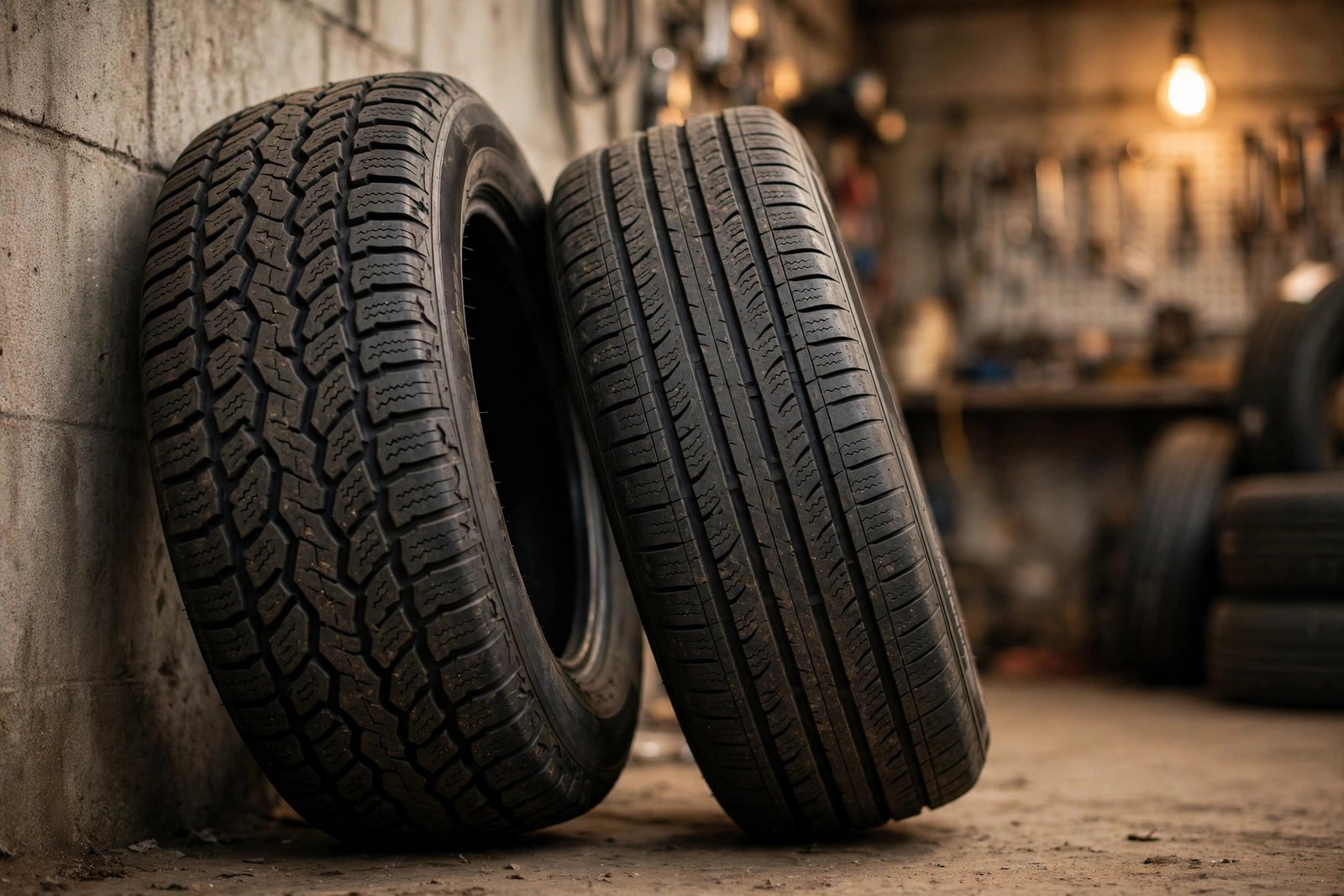
Quick answer: Michelin is the better brand for the long haul — longer tread life, quieter ride, better dry braking, and Consumer Reports’ #1 ranking. Goodyear is the better value — about 10% cheaper up front, stronger in the wet, and the winner of the most recent Tire Rack touring test. If you keep your car for years and hate tire noise, buy Michelin. If you want the best tire for the least money, buy Goodyear.
Goodyear vs Michelin at a Glance
| Goodyear | Michelin | |
|---|---|---|
| Founded | 1898, Akron, Ohio | 1889, France |
| US market share (dollars) | 13.9% (#1) | 11.7% (#2) |
| Shared professional tests (all time) | 216 wins of 439 | 208 wins, 15 draws |
| Last 5 years | 73 wins | 87 wins of 169 |
| Owner rating | 7.9/10 (3,289 reviews) | 8.1/10 (4,097 reviews) |
| Price | ~10.3% cheaper on average | Premium pricing |
| Dry braking (avg) | 127 ft | 123 ft |
| Wet handling | Leads (79 of 118 tests) | Trails |
| Rolling resistance | 7.96 kg/t | 7.75 kg/t (better) |
| Consumer Reports 2025 rank | 7th | 1st of ~30 brands |
| J.D. Power 2025 satisfaction | #1 passenger car | #3 passenger car |
Aggregated test data from tire-reviews.com (439 shared professional tests, updated November 2026). Consumer Reports and J.D. Power rankings via SlashGear reporting of 2025 data.
The Head-to-Head Record: Closer Than the Reputations Suggest
Ask ten drivers which brand is better and nine will say Michelin — and the data mostly agrees, but not by the margin the reputation suggests. Across 439 shared professional tests aggregated by tire-reviews.com, Goodyear actually won slightly more often overall (216 wins to Michelin’s 208, with 15 draws). But the recent form favours Michelin: in the last five years, Michelin won 87 of 169 tests versus 73 for Goodyear. Owners rate Michelin slightly higher too (8.1 versus 7.9 out of 10).
Consumer Reports’ 2025 testing is clearer: Michelin ranked #1 of about 30 brands with a 100% recommendation rate, while Goodyear ranked 7th. Consumer Reports recommended seven Michelin models and none from Goodyear. In owner satisfaction across roughly 52,000 tire sets, Michelin earned top marks in all four categories (all-season, all-terrain, summer, winter); Goodyear was above average only in all-terrain.
J.D. Power’s 2025 satisfaction survey flips the script: Goodyear ranked #1 in the passenger-car segment and #1 in luxury (821/1,000), while Michelin ranked #3 in passenger car and #2 in luxury (814/1,000). The honest read: Michelin wins the lab tests and the long-term surveys; Goodyear wins the showroom satisfaction scores and the price tag.
Tread Life: Michelin’s Crown — With One Asterisk
Longevity is Michelin’s strongest argument, and it is the reason most buyers pay the premium.
The flagship comparison is the Michelin Defender2 against the Goodyear Assurance MaxLife 2. On paper, Goodyear wins the warranty: 85,000 miles versus 80,000 for the Defender2 (both 6 years). In practice, Michelin wins the wear: Defender2 owners rate its treadwear 9.4 out of 10 across 763 reviews, and past 30,000 miles the Michelin scores 9.1 versus 7.6 for the Goodyear. Michelin’s own wear testing claims roughly 94,400 miles of estimated life for the Defender2 — a manufacturer claim, not an independent result, but directionally consistent with the owner data.
The twist: in the Tire Rack November 2025 touring test (215/55R17 on a Camry), the Goodyear Assurance MaxLife 2 finished first of six tires while the Defender2 finished fourth. And in head-to-head testing, the MaxLife 2 won both shared tests against the Defender2 — including 2.8% faster wet handling and better aquaplaning (66.65 versus 63.05 km/h). So the Goodyear is the better tire today, while the Michelin is the tire more likely to still be going strong at 60,000 miles.
Price check (size 215/55R17, November 2026): the MaxLife 2 runs about $193 on Tire Rack; the Defender2 about $210 at Costco. That is roughly 8% cheaper for the Goodyear — and across all sizes, Goodyear averages about 10% less.
For a deeper look at how treadwear ratings work, see our guide to what tire numbers mean.

Wet vs Dry: Goodyear Owns the Rain, Michelin Owns the Dry
This is the cleanest split in the whole comparison.
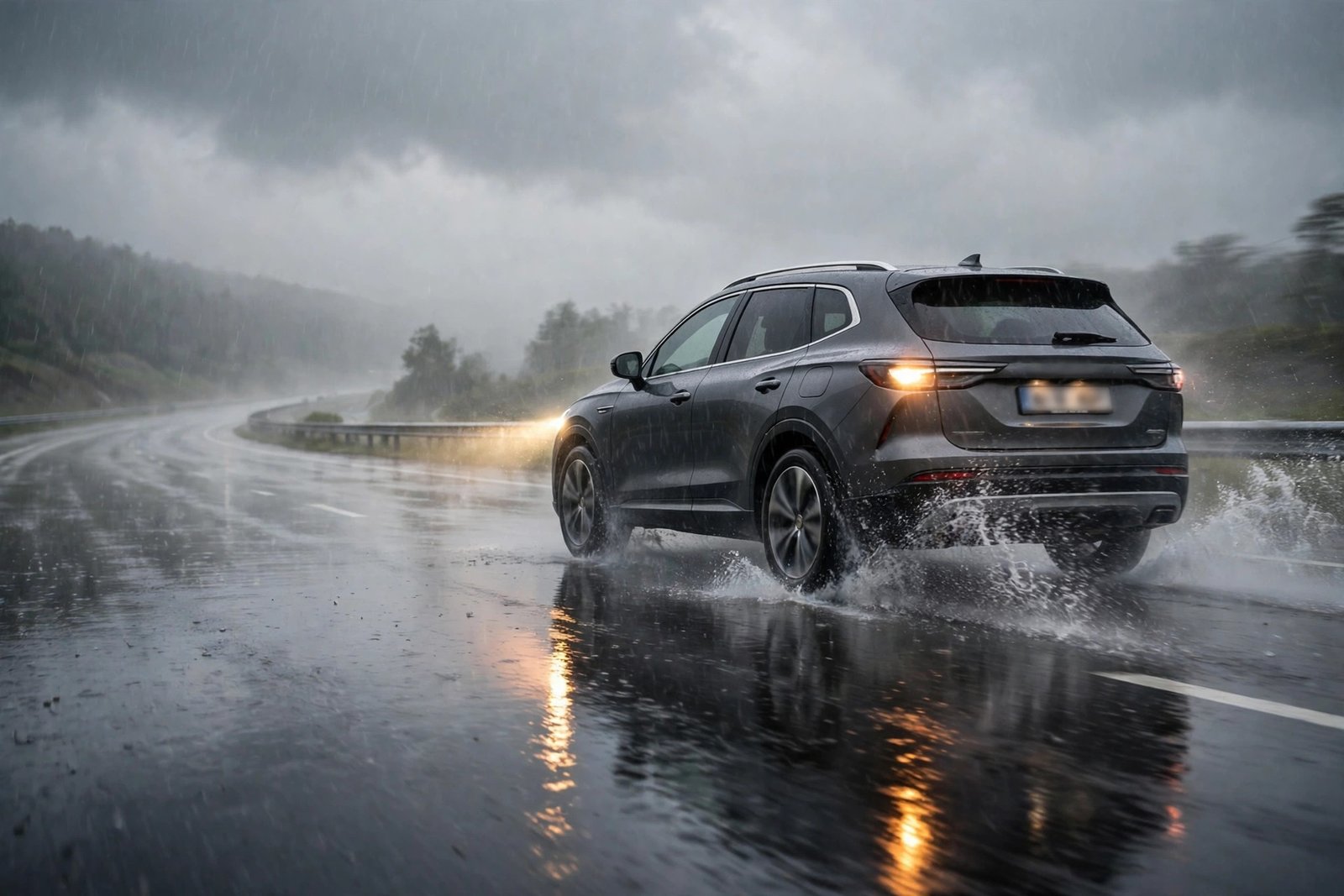
Wet: Goodyear leads. Across the aggregated data, Goodyear won 79 of 118 wet-handling tests and consistently beats Michelin on aquaplaning resistance. The Assurance WeatherReady 2 laps 1.9% faster in wet handling than the CrossClimate 2, and the MaxLife 2’s wet-handling edge over the Defender2 helped it win the Tire Rack touring test. If you drive in heavy rain regularly, Goodyear’s wet-road confidence is a genuine safety advantage.
Dry: Michelin leads. Michelin won 166 of 249 dry-braking tests, with an average dry stop of 123 feet versus 127 for Goodyear. The Pilot Sport 4S stops 4.4% shorter in the wet and 2.4% shorter in the dry than the Eagle F1 SuperSport, and it is 1.3 dB quieter with 8% lower rolling resistance. Michelin’s lower rolling resistance (7.75 versus 7.96 kg/t) also means slightly better fuel economy — and for EV drivers, slightly more range.
The practical takeaway: in a rainy climate, Goodyear’s wet edge matters more. In a dry climate, or for a driver who values braking and efficiency, Michelin’s dry edge matters more.
All-Weather: CrossClimate 2 Is the Benchmark
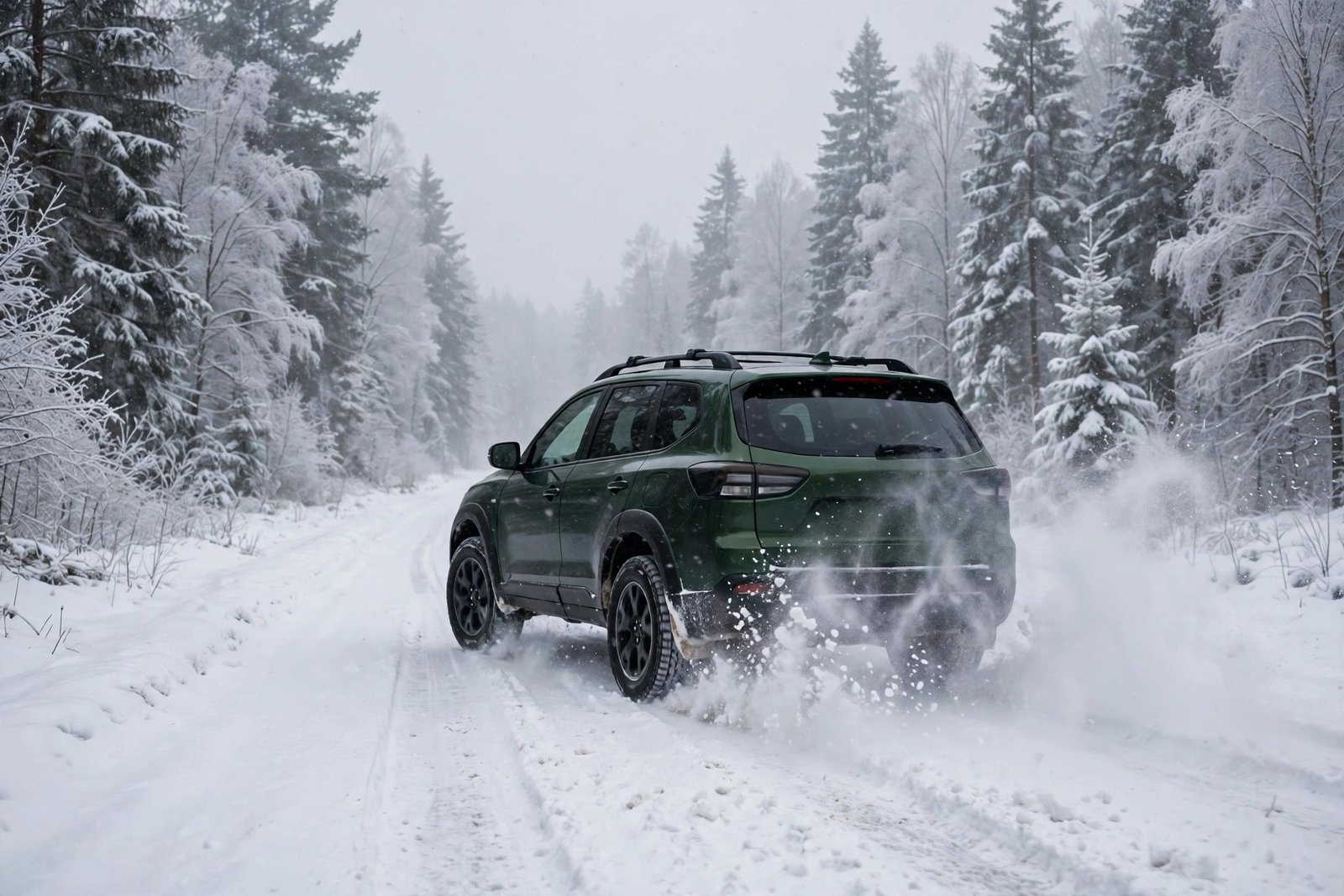
The Michelin CrossClimate 2 is the all-weather tire every competitor is measured against — and the head-to-head data shows why. Against the Goodyear Assurance WeatherReady 2 across three shared 2025 tests, the CrossClimate 2 won twice, sweeping all snow measurements (5% shorter stops) and all ice measurements (5.5% shorter stops), with 20% lower rolling resistance. Its overall test score was 9.4 out of 10 versus 8.7 for the Goodyear.
The WeatherReady 2 is not outclassed: it laps faster in wet handling and costs less. Both carry a 60,000-mile treadwear warranty and the 3PMSF severe-snow rating. But for a driver who wants one tire for all four seasons including real snow, the CrossClimate 2 is the pick. (One warning: some low-quality sources claim an 88,000-mile warranty for the CrossClimate 2 — that is wrong. Tire Rack and multiple retailers confirm 60,000 miles.)
Performance Summer: Pilot Sport 4S Dominates
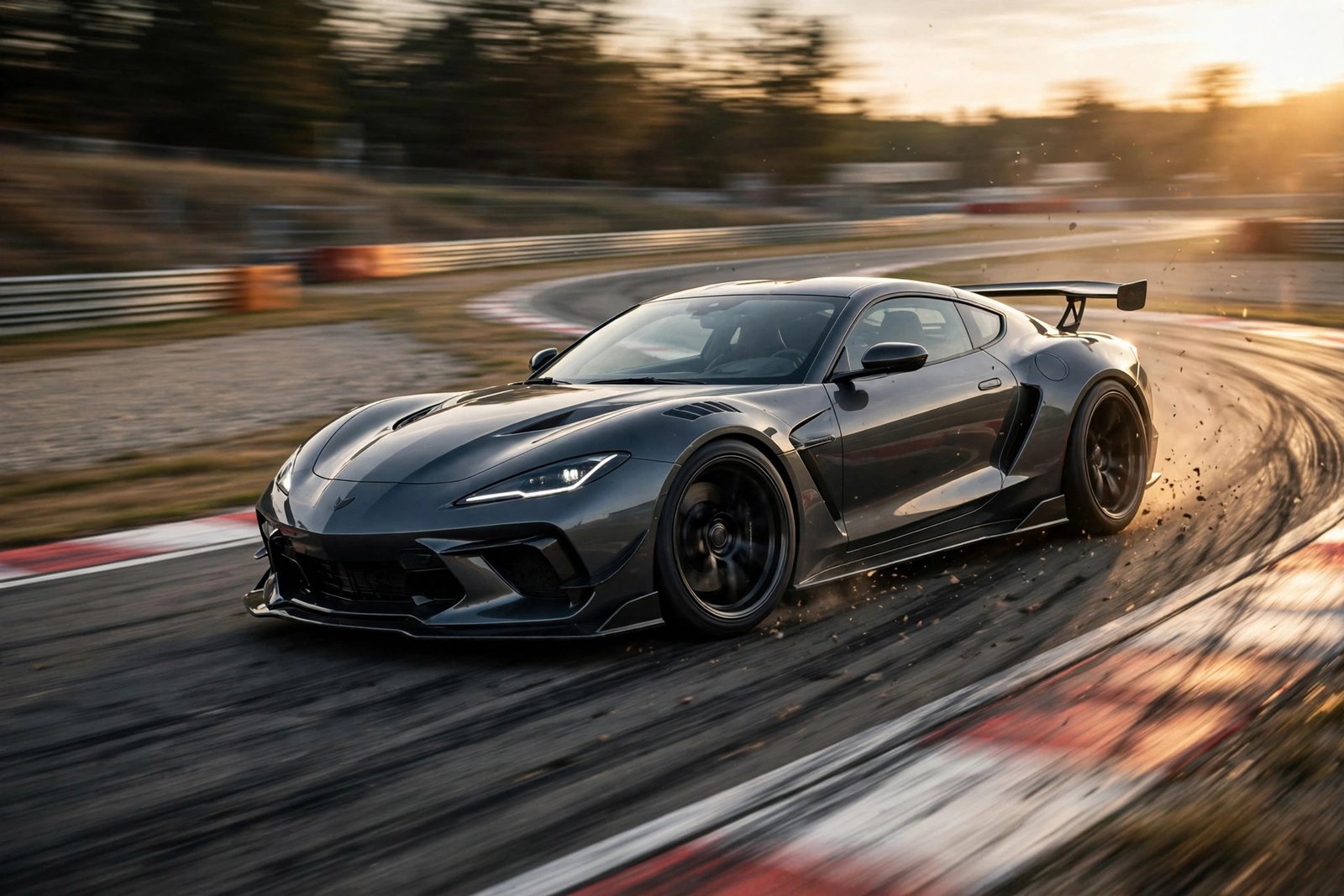
For performance driving, the gap is the widest in the comparison. The Michelin Pilot Sport 4S beat the Goodyear Eagle F1 SuperSport 11–2 across 13 shared tests from 2019 to 2026. In wet braking it was up to 4.2 metres shorter (47.3 m versus 51.5 m in the AutoBild Sportscars 2026 test), and it is quieter with lower rolling resistance. The Pilot Sport 4S carries a 30,000-mile treadwear warranty; the Eagle F1 SuperSport’s warranty was unverified in our research.
The Goodyear is not a bad tire — it won the EVO 2025 matchup on wet braking and handling, and its steering feel at the limit earns praise. But it is more variable by fitment, while the Pilot Sport 4S is consistently excellent. A 225/45ZR17 Pilot Sport 4S runs $234.99 on Tire Rack (checked November 2026); larger sizes run $350–$640.
For the full picture on Michelin’s flagship performance tire, see our Michelin Pilot Sport 5 review.
Winter: X-Ice Snow Edges It — But Goodyear Is Close
In Tire Rack’s controlled winter test (December 2020, 225/50R17), the Michelin X-Ice Snow beat the Goodyear WinterCommand Ultra on snow braking (5.8 feet shorter from 25 mph) and snow handling (1.6 seconds quicker per lap), and it was quieter and more comfortable. Ice braking was essentially tied. The Goodyear countered with better dry braking (3.8 feet shorter from 50 mph) and slightly quicker ice acceleration.
The X-Ice Snow also carries a 40,000-mile treadwear warranty — rare for a winter tire. For a dedicated winter set, Michelin is the pick; for a driver whose winter is mostly cold and dry with occasional snow, the Goodyear is nearly as good and usually cheaper. If you are choosing between studded and studless winter tires, see our studded vs studless comparison.
Truck, SUV, and EV: The Rest of the Lineup
Truck/SUV highway tires: the Michelin Defender LTX M/S2 carries a 75,000-mile warranty (70,000 on some sizes) versus 70,000 for the Goodyear Wrangler Steadfast HT. In size 265/70R17, the Michelin runs about $270 versus $250 for the Goodyear. The Michelin is better on wet and dry highway driving, comfort, and fuel efficiency; the Goodyear has the edge in off-road traction.
EV tires: both brands now make EV-specific tires. The Michelin Pilot Sport EV is a grip-first ultra-high-performance summer tire (roughly 20,000–30,000-mile treadwear warranty); the Goodyear ElectricDrive 2 is a grand-touring all-season with a longer warranty (around 40,000–60,000 miles depending on source) and a lower price ($180–$260 versus $260–$340 for the Michelin). EV tires wear 20–30% faster than regular tires, so the warranty gap matters — but so does the price gap.
Warranty Fine Print: Read Before You Buy
The mileage numbers are only half the warranty story.
Michelin: 6-year defect coverage, a 60-day satisfaction swap on any brand, 3-year roadside assistance, and the warranty is transferable if you sell the car. Goodyear: a 12-month free-replacement window for defects (stronger in year one), a 60-day satisfaction exchange (Goodyear and Cooper only), no standard roadside assistance, and coverage for the original purchaser only.
A buyer who keeps a car long-term gets more from Michelin’s package. A buyer who worries about early defects gets more from Goodyear’s first-year coverage.
Cost Per Mile: The Math That Decides It
Here is the calculation no page-one result does. Take the flagship touring tires in size 215/55R17:
- Michelin Defender2: ~$210 ÷ 80,000-mile warranty = $0.0026 per warranted mile
- Goodyear Assurance MaxLife 2: ~$193 ÷ 85,000-mile warranty = $0.0023 per warranted mile
On warranty miles alone, the Goodyear is cheaper per mile. But owner data says the Michelin is more likely to actually reach its warranty miles (9.1 versus 7.6 treadwear scores past 30,000 miles). If the Goodyear wears out at 60,000 miles and the Michelin reaches 80,000, the real cost flips: $0.0032 per mile for the Goodyear versus $0.0026 for the Michelin. The honest answer is that the cheaper tire up front is only cheaper if it lasts — and Michelin’s track record says it usually does.
Which Brand Should You Buy?
Buy Michelin if: you keep your car for years, you value long tread life and a quiet ride, you want the best dry braking and fuel efficiency, you drive a performance car, or you want Consumer Reports’ #1-ranked brand and the transferable warranty with roadside assistance.
Buy Goodyear if: you want the best tire for the least money up front (about 10% cheaper), you drive in heavy rain and value wet-road confidence, you replace tires on a shorter cycle anyway, or you want the J.D. Power #1 satisfaction scores and the stronger first-year defect coverage.
Either way: match the tire to your driving, not just the brand. A Michelin Pilot Sport 4S on a minivan is wasted money; a Goodyear Wrangler on a sports sedan is the wrong tool. Check the exact tire’s test results and warranty for your size before buying — and compare live prices, because the 10% average gap varies a lot by size. Full specs live on michelinman.com and goodyear.com.
Frequently Asked Questions
Which is better, Goodyear or Michelin tires?
It depends on your priorities. Michelin wins on tread life, dry braking, quiet comfort, and fuel efficiency — Consumer Reports ranks Michelin #1 of about 30 brands. Goodyear wins on upfront price (about 10% cheaper on average), wet handling, and value. Neither brand sweeps — the honest answer is category by category.
Which tire lasts longer, Goodyear or Michelin?
Michelin, in most independent testing. The Michelin Defender2 carries an 80,000-mile treadwear warranty and scores 9.4/10 on owner treadwear surveys. The Goodyear Assurance MaxLife 2 carries a longer 85,000-mile warranty on paper, but its owner treadwear scores past 30,000 miles are weaker (7.6 vs 9.1).
Are Goodyear tires cheaper than Michelin?
Yes — about 10% cheaper on average. Goodyear was the cheaper tire in 140 of 156 shared professional test comparisons. For example, in size 215/55R17 the Goodyear Assurance MaxLife 2 runs about $193 versus about $210 for the Michelin Defender2.
Which is better in rain, Goodyear or Michelin?
Goodyear. Across aggregated professional test data, Goodyear leads wet handling (winning 79 of 118 wet-handling tests) and aquaplaning resistance. Michelin counters with better dry braking — winning 166 of 249 dry-braking tests — and lower rolling resistance.
Which is the best Michelin all-season tire?
For most drivers, the Michelin CrossClimate 2 (all-weather, 60,000-mile warranty) is the benchmark — it swept all snow and ice measurements against the Goodyear Assurance WeatherReady 2 in head-to-head testing. For maximum tread life, the Defender2 (80,000-mile warranty) is the pick. For performance, the Pilot Sport 4S leads its class.
Do Michelin tires have a better warranty than Goodyear?
The warranty fine print differs. Michelin offers 6-year defect coverage, a 60-day satisfaction swap, 3-year roadside assistance, and a transferable warranty. Goodyear offers a 12-month free-replacement window for defects and a 60-day satisfaction exchange, but no standard roadside assistance and coverage for the original purchaser only.